Product guide ·
Mini Glass Containers with Pink Lids (TVD-1885): Wholesale Guide for Canada
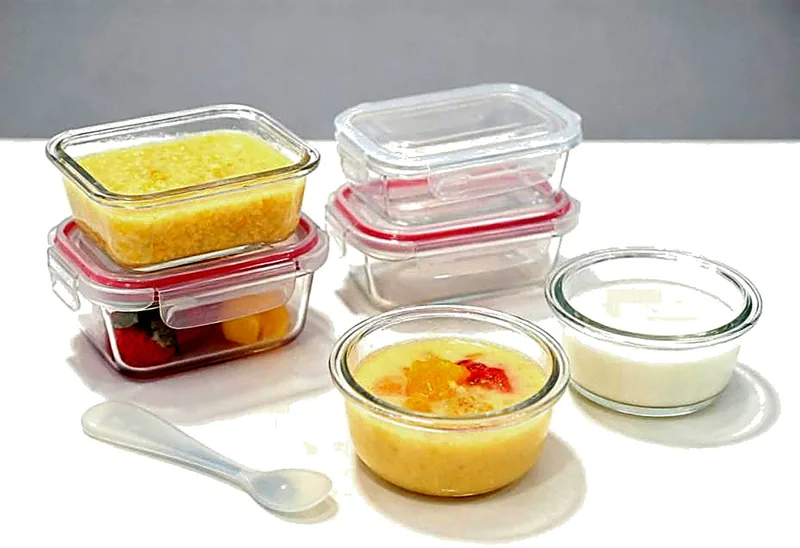
Small round and square glass containers with pink snap lids are made for sauces, dressings, desserts and sample portions. Here is how to specify them for retail, food service and gifting.
A small container with a specific job
The TVD-1885 (Mini Glass Containers – Pink Lid) are borosilicate glass containers in small round and square sizes, closed with pink snap lids. Small is the point. Where most of our glass range is built for whole meals, these are built for the extras: the dressing that goes with a salad, the dip beside a platter, a single dessert, a sauce pot for a lunch bowl. That is a different buying decision from a meal-prep container, and the questions you ask should reflect it.
Who buys mini glass containers
- Cafés and restaurants that sell dressings, sauces and condiments on the side.
- Caterers and event planners serving individual desserts, parfaits or dips at receptions.
- Gift shops assembling hampers, tasting sets and baby-shower favours.
- Retailers filling a small-storage wall for spices, baby food or lunch-box extras.
- Online sellers who bundle minis with a larger set as an add-on.
- Hotels serving in-room amenities such as jams and sauces.
Features and what they mean
Small round and square sizes. Round minis suit dips and puddings; square minis pack tighter into a tray or a delivery box. If your listing needs one shape for a clean display, quote one; if you want a mix, ask us for the ratio and sizes. Capacity is not stated here and is confirmed on the quote.
Pink snap lids. A snap lid presses on rather than clipping, which is usually quicker to open, and a good match for a lightweight item. Snap lids differ from clip-lock lids in how firmly they seal; for liquids such as dressings, ask whether the lid has been tested for leaking and how many open-close cycles it is made for. Pink is an eye-catching colour for children's items, spring displays and gift sets.
Borosilicate glass bodies. The named glass type gives a hint of strength, but not a heat rating. For hot filling or reheating, a written rating is essential.
Matching size to use
| Use | What to look for |
|---|---|
| Salad dressing on the side | Leak-resistant lid and a mouth wide enough to fill neatly |
| Dessert cups at events | Stable base, rim that is comfortable to eat from, lids that stack |
| Gift hampers | Packaging that protects glass, lid colour that suits the theme |
| Retail spice and snack storage | Clear glass, easy-open lid, set pricing by quantity on the quote |
Specification checklist
- Capacity and dimensions of each round and square size.
- Lid material, seal type, and whether the lids are leak tested.
- Written heat, freezer and dishwasher ratings, for glass and lid separately.
- Food-contact test reports covering the glass and the pink lid.
- Whether the minis are sold by the piece, in sets or in gift packs, and the carton quantity.
- Packing to prevent glass-on-glass chipping, which is easy to overlook with small pieces.
- Minimum order per item or colour, sample availability and lead time.
Comparing with larger formats
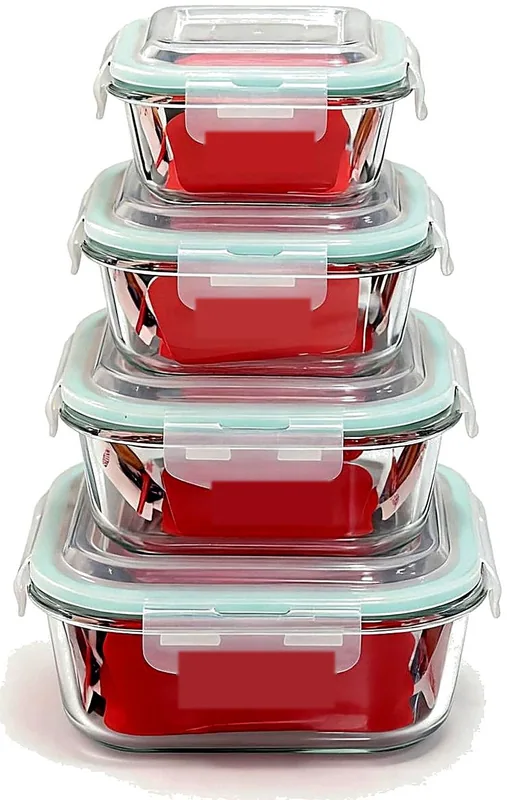
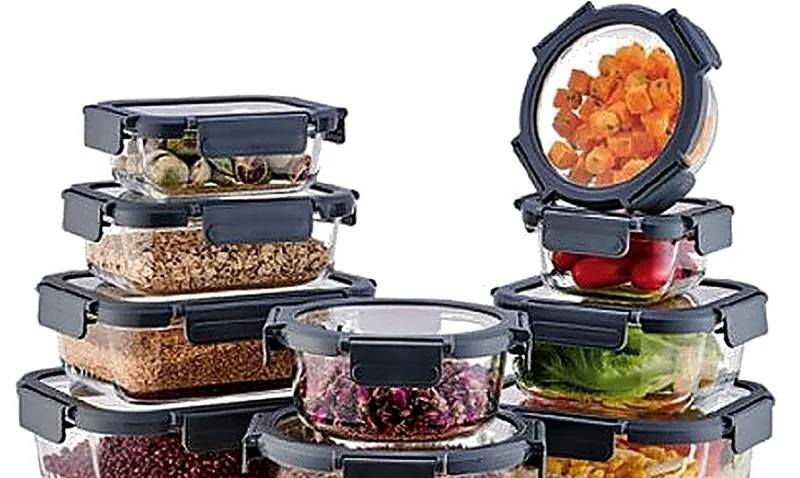
When a customer needs a main-meal container, point them at TVD-775 (Deep Glass Food Containers, medium and large deep sizes with leak-proof snap lids) or TVD-776 (Glass-Lid Food Containers, an all-glass lid with a vented seal and plastic-free storage). For a nesting square set in several sizes with a teal seal, see TVD-1869. A neat mid-size family set is covered in Stackable Round Glass Containers – Set (TVD-1875), and an assorted option is TVD-1876.
Canadian use notes
Small glass pieces are light, which tempts buyers to ship them loose. Resist that: freight in Canada can be long, and mini containers that rattle together arrive chipped. Ask about inner packing, such as dividers or cartons that separate pieces. Winter transit can freeze any liquid left inside, so containers are shipped empty and dry. For gift programs in the holiday season, order early, since sea freight and rail to inland Canada take time; see the Canada delivery hub for routes and the sales tax by province guide for tax by province.
Rules a Canadian buyer should know
The Food and Drugs Act prohibits selling food in or with materials that may make it harmful, and Health Canada does not pre-approve kitchenware, so buyers commonly ask for food-contact test reports for glass and lids. Glass that touches food is under the Glazed Ceramics and Glassware Regulations on lead and cadmium limits. If the version you order has coloured or printed decoration near the lip, request a lead and cadmium test report. Items sold in packaging to consumers need bilingual English and French product identity and net quantity, plus the dealer's name and place of business, and Quebec retailers expect French on labels. If the minis are for young children, the Consumer Products Containing Lead Regulations also apply to products for young children. Rules change, so confirm with the authority or your inspector. This is not legal advice. No certification is on file for TVD-1885, and we confirm certification status and send the documents with the quote before you order. See the food-contact and glass rules for the whole line.
How ordering works
Each order is quoted in writing for the quantity and address: specification, documents, packing, lead time and delivered cost. Payment is 30% deposit and 70% before release. Samples are available on most items and are usually credited to your first order. Many lines have low trial minimums, and mini containers can share one consolidated container with larger glass items. Use the quote request form or read how ordering works. The wholesale guide to glass food storage and tableware has more detail on the whole range.