Product guide ·
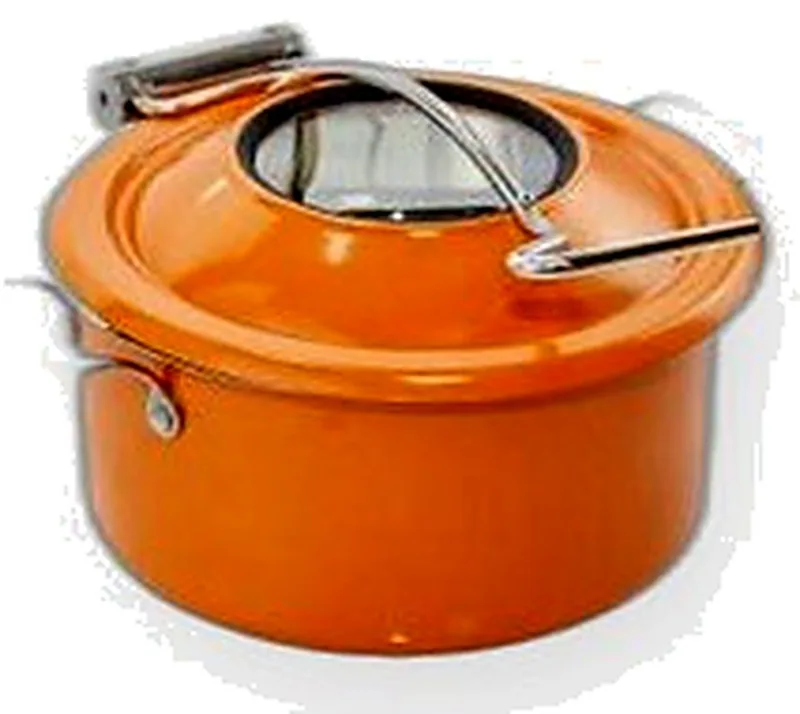
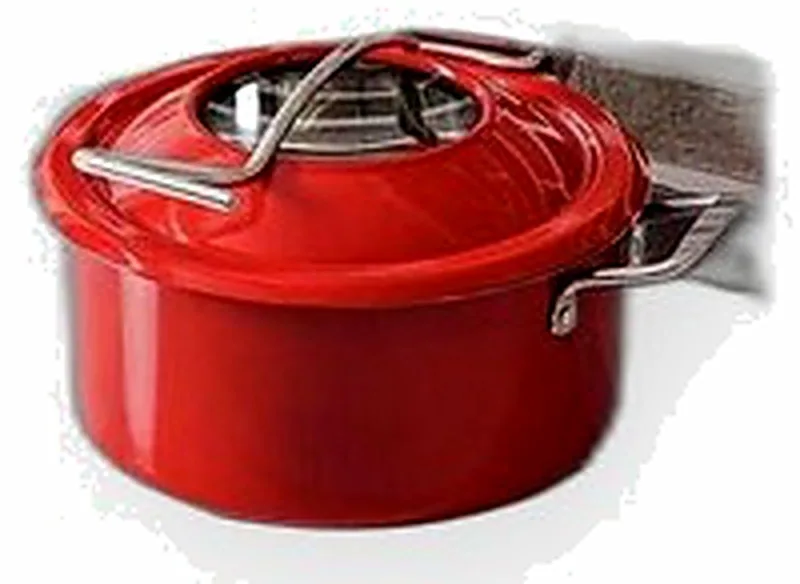
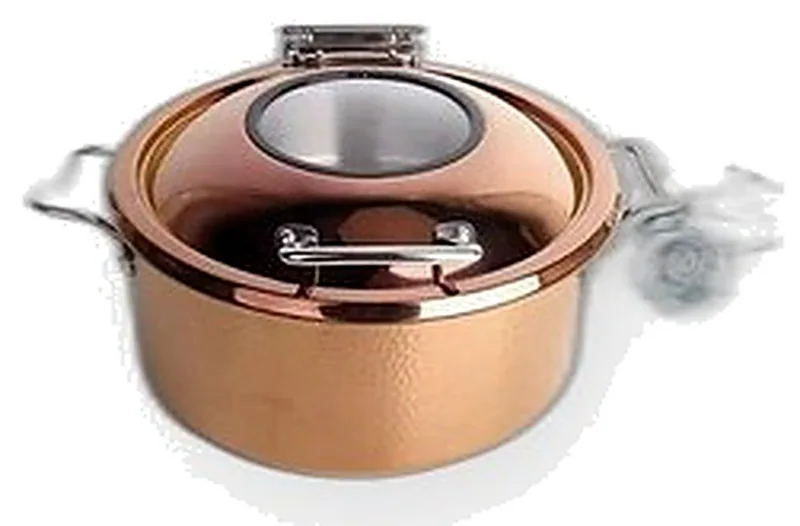
Orange, Red and Copper Cooking Pots with Glass Lids (TVD-668, TVD-10830, TVD-10831)
Three cast-enamel and copper-finish cooking pots with glass lids share one line: orange TVD-668, red TVD-10830 and copper TVD-10831. Here is how to choose between them and combine them in one order.
A soup station, a sauce station or a chef's action counter tends to be judged by its colour as much as its contents. The three cooking pots below carry the same product facts: cast-enamel and copper finishes, glass lids, and use at soup and sauce stations. They differ by name and colour, so a buyer is choosing a look for the room rather than a different machine.
The three pots at a glance
| Code | Product | Colour in the name |
|---|---|---|
| TVD-668 | Orange Cooking Pot with Glass Lid | Orange |
| TVD-10830 | Red Cooking Pot with Glass Lid | Red |
| TVD-10831 | Copper Cooking Pot with Glass Lid | Copper |
All three list the same finish family, cast-enamel and copper, and the same glass lids. Which pot has which finish, and how the colour is produced, is confirmed on the written quote for each code; do not assume the copper pot is real copper or the orange pot enamel without seeing it written down.
What they have in common
- Glass lids. Guests and cooks can see the simmer without lifting the lid, which reduces heat loss and lets staff judge when a soup needs a stir.
- Finish. The enamel and copper finishes are decorative as well as protective, which makes them popular for a live-cooking counter.
- Use. Soup and sauce stations, in hotels, with caterers and in banquet halls.
All three are decorative, food-contact and glass-ceramic items, so the same set of questions applies to each of them. See the dedicated notes for TVD-10830 and TVD-10831.
Which buyer suits which pot
- Orange (TVD-668) brightens a neutral or wood-toned room and suits brunch, harvest or festival menus where warm colour supports the theme.
- Red (TVD-10830) reads as classic and strong on a white tablecloth, and is the obvious match for a tomato or bisque soup.
- Copper (TVD-10831) suits a refined or rustic dining room where metallic warmth fits better than a bold colour.
These are style suggestions, not technical differences; the product facts are identical across the three.
Mixing them in one order
There is no reason to buy just one colour. A hotel might choose copper for the main dining room and orange or red for a conference buffet. Because the three codes share a line and a certification story, we can quote them on one document, with quantities by code. If a client wants a rotating look, order a few of each. Colour can also be a way to tell soups apart: use one colour for meat soups and another for vegetarian, which helps guests with dietary restrictions.
Specifying the pots
- Quantity for each code: TVD-668, TVD-10830 and TVD-10831.
- Capacity, such as litres, and whether a ladle holder or lid rest is included.
- Heat source for the station: fuel, electric or induction, with voltage, phase and frequency if electric. Cast pots on induction need a suitable base, so tell us your cooktop.
- Certification or listing mark for any electrical part, and food-contact reports for the pot, enamel and lid.
- Lead and cadmium test report for the glass lids and decorated finish.
- Crated dimensions and weight; cast pieces are heavy to ship and to lift.
Capacity, weight and dimensions are absent from our product facts and come with your written quote; signed-in buyers see full specifications on each product page.
Where the pots sit in the line
For a single pan of food on a stand, the Round Chafing Dish, Glass Lid (TVD-656) gives a soft-close lid and round soup or side pans. The Round Chafing Dish, Roll-Top Glass Lid (TVD-10829) adds a roll-top. If you want an electric set, see the round electric chafing dish guide. The pots in this guide are for a cooking or simmering look rather than a classic tray.
Canadian use notes
- Glass and decoration. The Glazed Ceramics and Glassware Regulations set limits on lead and cadmium that can leach from glassware and glazed ceramics that contact food. Decorated rims and metallic or printed decoration near the lip are a known risk, so ask for a lead and cadmium report. The Consumer Products Containing Lead Regulations separately cover kitchen utensils.
- Food surfaces. For enamel and metal, the usual proof is a food-contact test report (FDA or EU migration style), as Health Canada does not pre-approve kitchenware.
- Electric stations. A powered version should carry a mark from a certifier accredited in Canada, or a field evaluation label. Marks are explained in the CSA, cUL and cETL guide.
- Quebec. Expect to supply the manual and warranty text in French.
- Winter. Glass and enamel can chip in rough freight; we pack for transit, and you should inspect on delivery. Cold-month shipments need extra planning.
None of the three has a certification mark in our file; each quote confirms status and documents.
Ordering
Send one quote request naming the codes and quantities, plus your delivery address. Our reply covers the specification, where certification stands, the documents, packing, lead time and the landed cost. Many lines accept small trial quantities, most items can be sampled (cost normally credited later), and payment is 30% on deposit, with 70% due before the goods are released. The how ordering works page shows each step, and the hotel buffet and catering line has the rest of the range. Rules change, so confirm requirements with your inspector or customs broker.