Certification guide ·
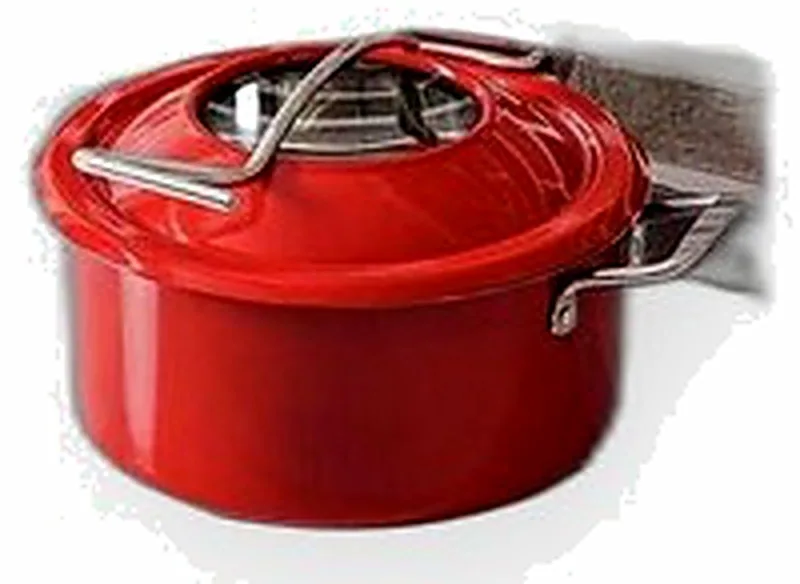
Red Cooking Pot with Glass Lid (TVD-10830): What to Ask For Before You Import It
A coloured enamel pot with a glass lid looks simple, but the finish, the glass and the heat source each raise a separate question. Here is the paperwork a Canadian hotel or caterer should see first.
The Red Cooking Pot with Glass Lid (TVD-10830) is sold in our buffet and catering equipment range for soup and sauce stations. Its listed features are cast-enamel and copper finishes and glass lids. This guide covers what that combination means for a Canadian purchase. One point first: no certification or listing mark is on file for this product. Nothing below says it is certified, approved or compliant. It describes what you should ask for, and what we confirm and put in writing before you order.
Why the surface finish drives the paperwork
A pot like this is judged on what touches the food and what the customer sees. The inside and the lid underside meet soup, sauce and steam. The outside is coloured enamel. Canadian rules treat these surfaces differently from an electrical or gas appliance, so the checks start with materials, not with a wiring plate.
Under the Food and Drugs Act, food cannot be sold in or with materials that may make it harmful. Kitchenware is not pre-approved by Health Canada, so there is no federal certificate to point to. What buyers commonly do is ask the factory for food-contact test reports, such as FDA or EU food-contact migration tests, and file them with the purchase.
Enamel, glass and the lead and cadmium question
Two of the listed features are glazed or glass surfaces that can meet food. The Glazed Ceramics and Glassware Regulations under the Canada Consumer Product Safety Act set limits on lead and cadmium that can leach from glazed ceramics and glassware that contact food. A bright red colour and any decorated edge are the places a careful buyer looks hardest, because decorations and metallic or printed details near the lip are a known risk.
The Consumer Products Containing Lead Regulations also cover kitchen utensils. So for this pot, request a lead and cadmium test report that names the enamel and the glass lid, not a generic report for a different item. If the report covers a similar pot in a different colour, say so on the quote and ask for the correct one.
Heat source: the question that can add electrical or gas rules
The details we hold for this product do not state how the pot is heated, and we will not guess. On a soup station the pot may sit over a fuel burner, on an electric warmer, or on a hot plate your venue already owns. That answer changes the rules:
- If an electric element or cord is supplied with the pot, it falls under Canadian electrical certification (a certification mark from a body accredited by the Standards Council of Canada, or a field evaluation label). Our page on electrical marks explained explains the marks.
- If it is sold as a stand-alone vessel for use on someone else's heat source, the electrical and gas questions move to the warmer or burner you pair it with.
- A US-only mark, or a CE mark, would not settle either question for Canada.
We state the heat source in writing on the quote, so the document list matches the item you are actually buying.
Documents to request for TVD-10830
| Document | What it proves | Who issues it |
|---|---|---|
| Lead and cadmium report, enamel and glass lid | Leaching limits for food-contact glazed and glass parts | Accredited test laboratory, supplied through the factory |
| Food-contact material report | Surfaces touching food are suitable for that use | Test laboratory, via the factory |
| Written statement of heat source | Whether electrical or gas rules attach to the unit | Us, on the written quote |
| Electrical mark or field label (only if a heating element is supplied) | Canadian electrical acceptance | Accredited certification body |
| Finish description (enamel or copper-tone, interior surface) | What the food actually touches | Factory data, confirmed on the quote |
| French-language instructions and care card | Quebec buyers and retailers will ask | Prepared with the order |
What a health inspector or franchisor tends to ask
Provincial food premises rules and local public health inspectors expect food equipment to be hard-wearing, simple to clean and sanitary. Many inspectors, landlords and franchisors go further and ask for an NSF/ANSI mark or a comparable sanitation listing on commercial food equipment. A decorative enamel pot sold into a buffet may or may not meet that request. Check what your health unit and landlord require before you place the order, and tell us so we can raise it with the factory.
Ask also about cleaning in practice: whether the enamel interior can take your dishwashing routine and utensils, and whether the lid fits the rim for steam retention. These are quote questions, not published specifications.
Quebec buyers
Quebec's Charter of the French language expects French versions of labels, instructions, manuals and warranty papers, and Quebec retailers ask for them. If you sell this pot to Quebec hotels or caterers, tell us at the quote stage so the French documents are part of the order.
If a document is missing
- A health inspector may question a food-contact surface that has no test report behind it.
- A retailer or distributor may decline to list the pot without lead and cadmium results.
- If a product is found to be a danger, the Canada Consumer Product Safety Act allows recalls and requires incident reporting.
- An insurer may ask for the documents after a claim.
How we handle it
The status is checked by us and the paperwork is attached to your written quote, ahead of any order. Pricing, lead time and delivered cost are quoted in writing for your quantity and delivery address; the ordering page sets out payment: 30% on deposit, the remaining 70% before the goods are released, and provincial tax rules are laid out in the sales tax guide. You can submit specifications through the quote form.
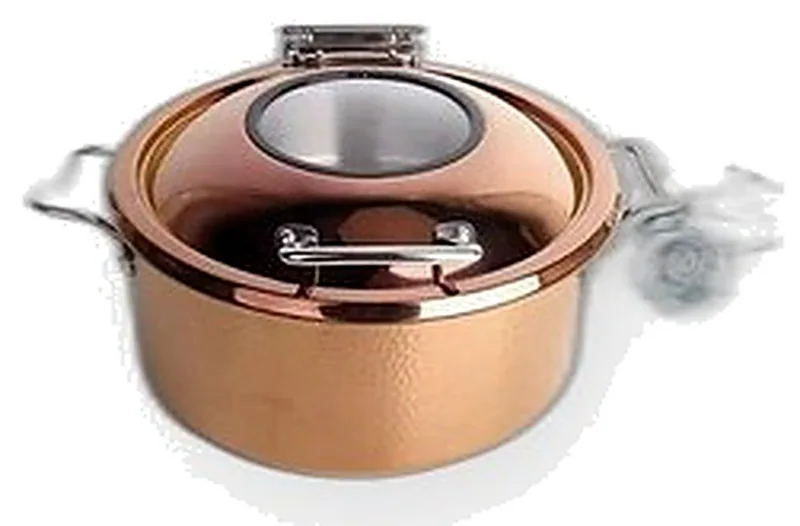
Matching pieces: the copper-finish sibling has its own guide at copper cooking pot compliance, and the round, roll-top chafer is covered in TVD-10829 compliance. Requirements shift over time, so check current rules with the authority that governs your premises, your inspector or your customs broker. General information only, not legal advice.