Product guide ·
Pineapple Glass Drinking Jar (TVD-2815): Wholesale Buying Guide for Cafés, Bars and Retailers
A 13 x 8 cm glass jar with a metal lid and straw is a novelty serve that doubles as a keepsake. Here is how to specify it, what to ask about the lid and straw, and how to order.
What the pineapple jar is
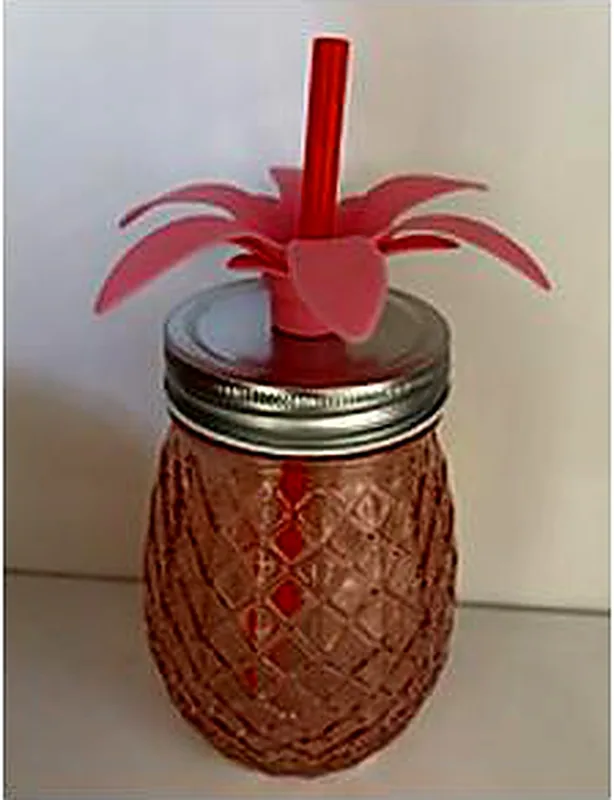
Pineapple Glass Drinking Jar (TVD-2815) is a glass jar measuring 13 x 8 cm, finished with a metal lid and a straw. Our listing shows it in several styles, so shape detail and colour can differ between them; the style you want is confirmed with photos on your written quote. It belongs to the novelty end of our Drinkware & Tumblers range, beside serious everyday glass such as the diamond-cut tumblers, and it is bought for the look as much as for the volume.
The listing does not give the capacity of the jar. At 13 x 8 cm it reads as a single-serve size, but we confirm the real capacity on the quote, and it is worth asking whether there is a fill line, because a bar that serves to a measure needs one.
Who this jar suits
- Cafés and juice bars can sell a cold drink in a jar the guest keeps. The straw in the lid makes it a walk-around serve.
- Cocktail bars and patios use a novelty glass for a summer feature drink; a fruit-shaped vessel photographs well.
- Gift shops and home retailers can sell it empty, as a tropical-themed drinkware gift.
- Online sellers have a compact product that is easy to photograph and to bundle with a flavoured syrup or a tea mix.
- Discount and variety chains can use it as a seasonal summer line.
Reading the listed features
Glass jar. Glass is a food-contact material and Canada has a regulation for it: the Glazed Ceramics and Glassware Regulations set limits on lead and cadmium that can leach from glassware that contacts food. Decorated or coloured glass, especially around the rim, is where buyers ask for a test report. Ask the factory whether the pineapple texture is moulded into the glass or applied, and whether any colour is a coating.
Metal lid. The lid is a second food-contact part and a second thing to specify. Ask what the metal is, whether it has a coating or plating, and whether the lid is rated for washing. A lid that rusts or tarnishes in a dishwasher will shorten the life of an otherwise good jar.
Straw. The listing says the lid comes with a straw. Ask what the straw is made of, whether it is reusable, and whether it is sold with the jar or separately, because a bar that goes through many covers a day may want spare straws on the same order.
Size. At 13 x 8 cm the jar fits on a standard shelf and in a retail tray, but check stack height in the carton; round glass with a lid needs separators.
A checklist for the written quote
- Glass type and thickness, and capacity of the jar.
- Whether the factory rates the jar for hot drinks, freezer, microwave or dishwasher. Do not assume a novelty jar tolerates thermal shock.
- Lid metal, any coating, and whether it has a gasket or seal.
- Straw material, length and whether it is replaceable.
- A lead and cadmium test report if the glass is coloured or decorated, and food-contact reports for the lid and straw.
- Style, colour, and packaging: individual box, shrink wrap or bulk, barcode and label language.
- Carton quantity and size, minimum order, sample availability and lead time.
How it compares with other drinkware
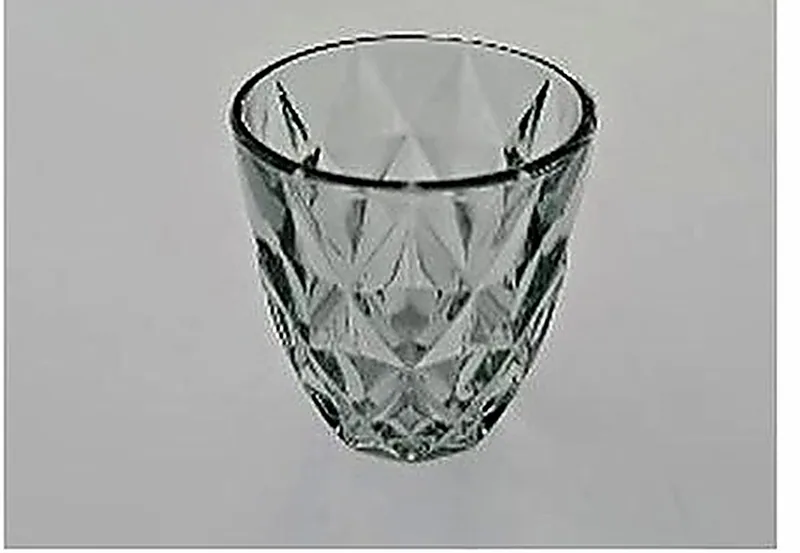
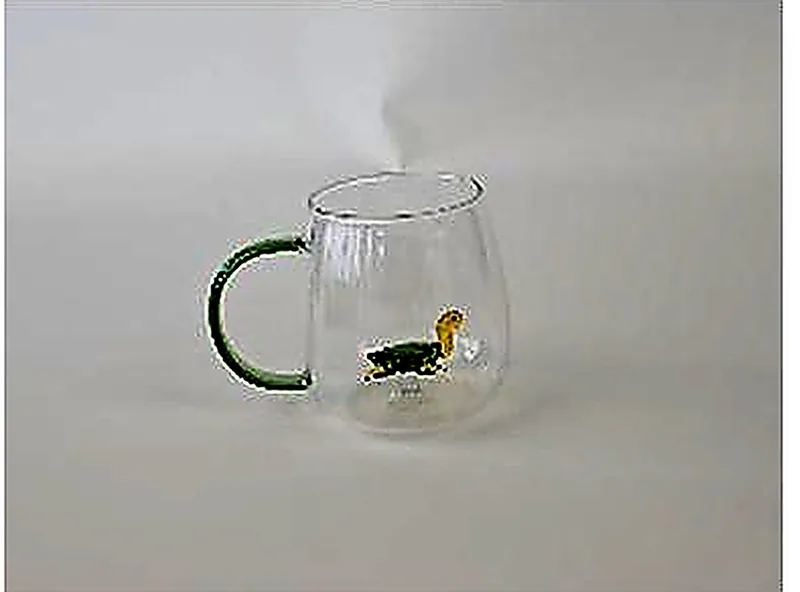
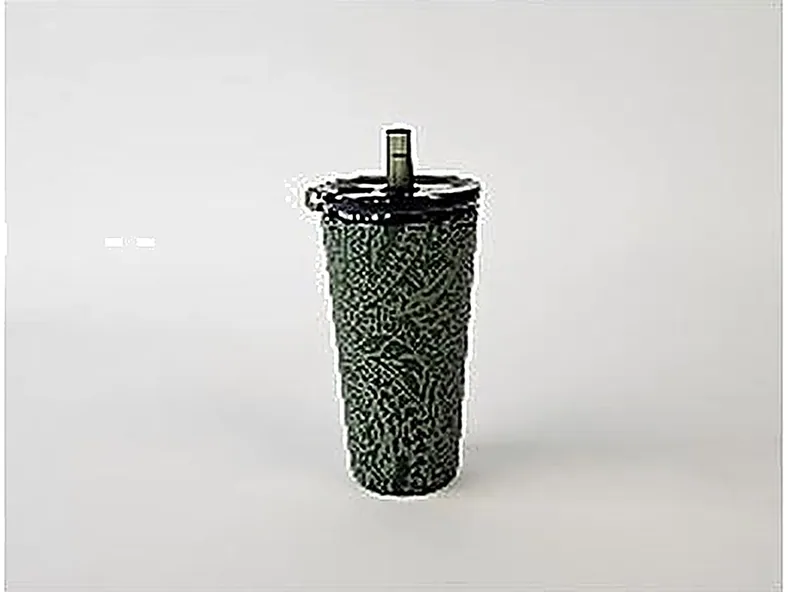
The jar sits between three different products. The Diamond-Cut Glass Tumbler (TVD-2793) is clear faceted glass for table service, and is the choice when the venue wants a classic glass with no lid; see the diamond-cut glass range guide. The Glass Mug – Turtle Figure (TVD-2794) is clear glass with a green handle and hand-made figures, a decorative mug with a handle for hot drinks; see the glass mug guide. The Insulated Straw Tumbler – Textured Green (TVD-2795) has a straw lid like the jar but is insulated and in 480 ml and 700 ml sizes, which makes it a better take-away cup; see the insulated straw tumbler guide. Choose the jar when the container itself is part of the product.
Canadian use notes
Glass is fragile and cold weather does not help it. Ocean freight from Asia lands at Vancouver or Prince Rupert about two to three weeks port to port, then moves by rail to the Prairies, Toronto-area and Montreal terminals; in winter, glass and any liquid-containing cartons should not sit in an unheated yard. For a summer patio programme, plan the order in the winter so that stock reaches your warehouse in spring. Prepackaged consumer products need bilingual product identity and net quantity plus the dealer's name and place of business under the Consumer Packaging and Labelling Act; in Quebec, labels and instructions must be available in French. A restaurant or café should ask the local public health unit what it expects of equipment that touches food or drink. Rules change, so confirm with the authority or your customs broker; this is not legal advice.
Certification status
We hold no certification document on file for TVD-2815. There is no electrical mark to chase on a glass jar, so the paperwork is a test-report question. We confirm what the factory can supply and send the documents with the quote before you order. See our glass and ceramic drinkware import rules for the line-wide view.
Ordering
Orders are quoted in writing: price for the quantity, specification, certification status and documents, packing, lead time and delivered cost. Samples are available on most items and the cost is usually credited to the first order; trial minimums are low on many lines. Payment is 30% deposit and 70% before release. See how ordering works, the landed cost calculator, the sales tax by province guide, the drinkware wholesale guide or send a quote request. Our home kitchen and tableware in Canada page covers delivery.