Product guide ·
Terracotta-Handle Pizza Cutter and Citrus Reamer: Wholesale Guide for Canadian Retailers
Two soft-grip tools share one product description. Here is how to choose between the pizza cutter and the citrus reamer, and what to confirm before you order for your shelves.
Two terracotta-handled tools, one shared product description
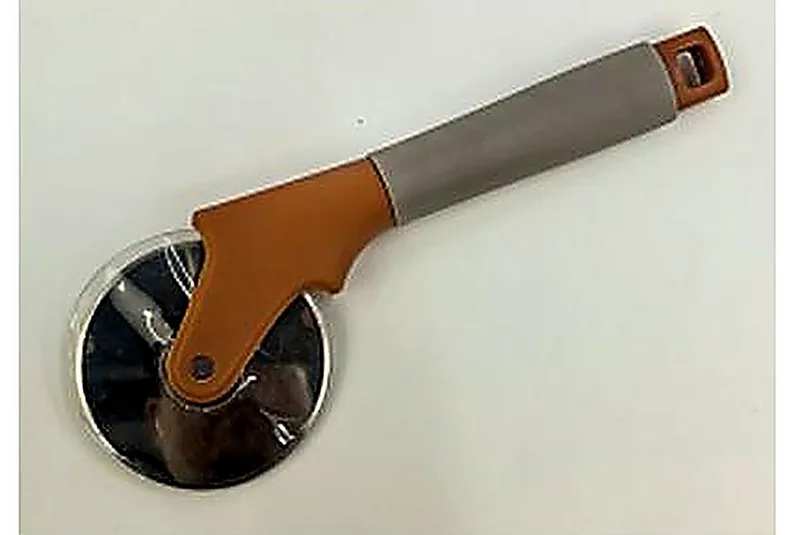
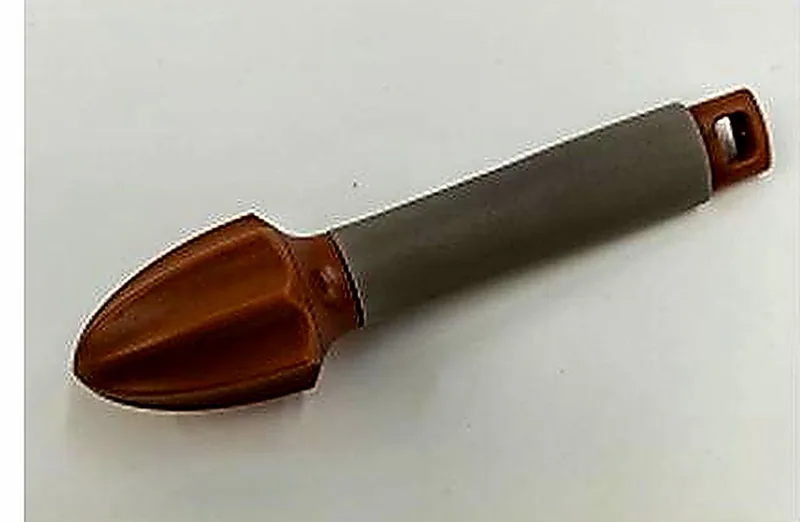
The Pizza Cutter, Terracotta Handle (TVD-2886) and the Citrus Reamer, Terracotta Handle (TVD-10733) come as a matched pair of soft-grip kitchen tools. Both share one product description: soft-grip handles, a pizza wheel and a juicer. By name, one is the pizza wheel and the other is the citrus reamer; the terracotta handle colour and the soft grip are what tie them together on a shelf. We keep them as separate codes so a store can order the pizza tool and the juicing tool in whatever ratio its customers actually buy.
That shared description matters for how you buy. The two codes do not differ by a published specification we can point to; they differ by name and by what the working end does. Anything beyond that, including the blade or reamer material, the grip material, exact length and weight, is confirmed on your written quote. A free account on our site shows the full specifications on each product page.
What the two products have in common
- Soft-grip handles. The handle is the selling point for both. A retail shopper picks the item up, feels the grip and decides. Ask the factory what the soft-grip material is, because that is the part of the tool a food-safety reviewer and a retailer will both ask about.
- Terracotta colour story. A warm, earthy handle colour suits kitchen shelves styled around rustic, Mediterranean or “pizza night” themes. Colour is matched by name on the quote, so confirm the exact shade and whether other colours are possible for your programme.
- Hand tools, no moving electrical parts. Nothing in the listed features is powered, so the electrical-certification questions that dominate small appliances do not come up here. If the version you order adds any powered or battery part, tell us and we will review it before quoting.
How they differ and who each one suits
| Item | Working end | Best on which shelf | Confirm on the quote |
|---|---|---|---|
| Pizza Cutter, Terracotta Handle (TVD-2886) | Pizza wheel | Baking, party and pizza-night displays | Wheel material, edge guard, grip material |
| Citrus Reamer, Terracotta Handle (TVD-10733) | Citrus juicer | Drinks, fruit and summer displays | Reamer material, dishwasher rating, grip material |
The pizza cutter suits a retailer with a baking, party or home-entertaining display, where it sits beside pizza stones, boards and oven mitts you already stock. The citrus reamer suits a bar-and-drinks shelf, a fruit-and-juice display or a summer promotion. Discount and variety chains often list both as impulse add-ons near the till because the soft handle makes them easy to merchandise on a hang card. Gift shops tend to pair them into a two-tool “kitchen duo”. If you are a household buyer or a small shop ordering a handful, start with a mixed sample of each.
Questions to put to the factory before you commit
- Blade and wheel material. For the pizza wheel, ask what steel is used, whether the wheel turns on a metal or plastic axle, and whether the edge is meant to cut through a crisp base without a separate guard. We do not publish a steel grade we have not confirmed in writing.
- Reamer material. For the juicer end, ask whether it is plastic or metal and whether it is meant to pass through a dishwasher. Oven, microwave, freezer or dishwasher suitability is stated only when the factory rates the item for it; our listing does not make that claim, so ask.
- Food-contact reports. Both tools touch food. Under the Food and Drugs Act, selling food in or with materials that may make it harmful is prohibited. Health Canada does not pre-approve kitchenware, so buyers commonly ask the factory for food-contact test reports, such as FDA or EU migration tests. Ask for them for the grip material and the working end.
- Lead. The Consumer Products Containing Lead Regulations cover kitchen utensils. A coloured handle, especially a painted or decorated one, is worth a mention in your request for test documents.
- Packaging. Gadgets usually sell from a hang card or a colour box. Confirm the card size, the barcode, the language on the pack and the carton quantity.
Packaging, labelling and Quebec
If you sell the tools prepackaged to consumers, the Consumer Packaging and Labelling Act requires bilingual (English and French) product identity and net quantity, plus the dealer's name and place of business. A card that carries only English text will not meet that on its own. For stores in Quebec, the Charter of the French language also requires that labels, instructions and any warranty document be available in French, with French at least as prominent. Tell us at the quote stage which provinces you ship into and we will quote packing and labels to suit. Rules change, so confirm current requirements with the relevant authority or your customs broker; this is not legal advice.
Mixing the two in one order
Because the codes share one description and one handle style, they travel well in the same carton plan. A common approach for a first order is an even split, then adjusting once you see which one moves faster. Pizza tools often lead in autumn and winter; juicers lead in spring and summer. If you have more than one shelf in a store, you can also order the same pair for two displays and compare sell-through. Products from several factories can share one consolidated container, so a pizza-and-juicer order does not have to wait for other lines.
See how the pair fits with the rest of the range on the Kitchen Gadgets & Knives line page, or read the wider Canadian import and food-contact rules for kitchen gadgets and knives before you finalise packaging and documents.
Canadian use notes
Plastic and soft-grip parts can stiffen in cold freight, so ask us to confirm packing for winter transit if your delivery lands between late autumn and early spring. Delivery goes to your store, warehouse or site anywhere in Canada; the Canada delivery hub explains the routes and the sales tax by province guide explains GST, HST, PST and QST on your invoice. To see a landed figure for a pallet of mixed gadgets, try the landed cost calculator.
How ordering works
Every order is quoted in writing for your quantity, covering specifications, certification status and documents, packing, lead time and delivered cost to your address. Many lines have low trial minimums, and samples are available on most items, with the sample cost usually credited to your first order. Payment is a 30% deposit with the remaining 70% before release. Start from the quote request or read the steps on how ordering works. If you are comparing similar tools from other buyers' lists, our wholesale guide to kitchen gadgets and knives and the home kitchen and tableware range for Canada are good starting points.
Neither code has a certification mark on file. For food-contact tools that is normal, because kitchenware is not pre-approved, but we confirm the documents available and supply them with the quote before you order.