Certification guide ·
Kitchen Gadgets and Knives in Canada: Import, Food-Contact and Labelling Rules by Material
Silicone, bamboo, plastic and stainless gadgets raise different questions. This guide sets out what Canadian rules ask of a seller and which documents to collect.
Kitchen gadgets look harmless, and most of them are. But a retailer who lists thirty small tools from one range will find that the paperwork questions differ sharply from one item to the next: a silicone pad, a bamboo board, a plastic collapsible and a metal grater each raise a different material question. This guide walks through the Kitchen Gadgets & Knives range by material, names the products where each rule bites, and gives a document checklist you can reuse. Rules change, so confirm with the relevant authority, your inspector or your customs broker; this is general information, not legal advice.
Current certification status across the range
We hold no certification mark for the products discussed in this guide, and we do not say any of them is certified, listed, approved or compliant with a named standard. None of the items has a plug, a battery or a gas connection, so Canadian electrical and gas marks are not the issue for them; the CSA, cUL and cETL marks explained article explains those marks for products that do need them. What matters is food-contact material safety, lead, consumer product safety law and packaging language. We confirm certification status and send the documents with the quote before you order.
The rules that sit over every item
- Food and Drugs Act. Food may not be sold in or with materials that may make it harmful. Health Canada does not pre-approve kitchenware. It offers voluntary Letters of No Objection for food packaging materials, and buyers commonly ask the factory for food-contact test reports, such as FDA or EU migration tests.
- Consumer Products Containing Lead Regulations. Lead limits include kitchen utensils, so coatings, platings and colourants are worth a lead report.
- Canada Consumer Product Safety Act. Products that are a danger to health or safety are prohibited, incidents must be reported and recalls are possible.
- Consumer Packaging and Labelling Act. Prepackaged consumer products need bilingual product identity and net quantity, plus the dealer's name and place of business. Carded and boxed gadgets fall under this.
- Quebec, Charter of the French language. Labels, instructions and warranty documents must be available in French, at least as prominent as English.
- CE is not a Canadian pass. The CE mark is not recognised in Canada as proof of compliance for consumer products.
How the rules differ by material
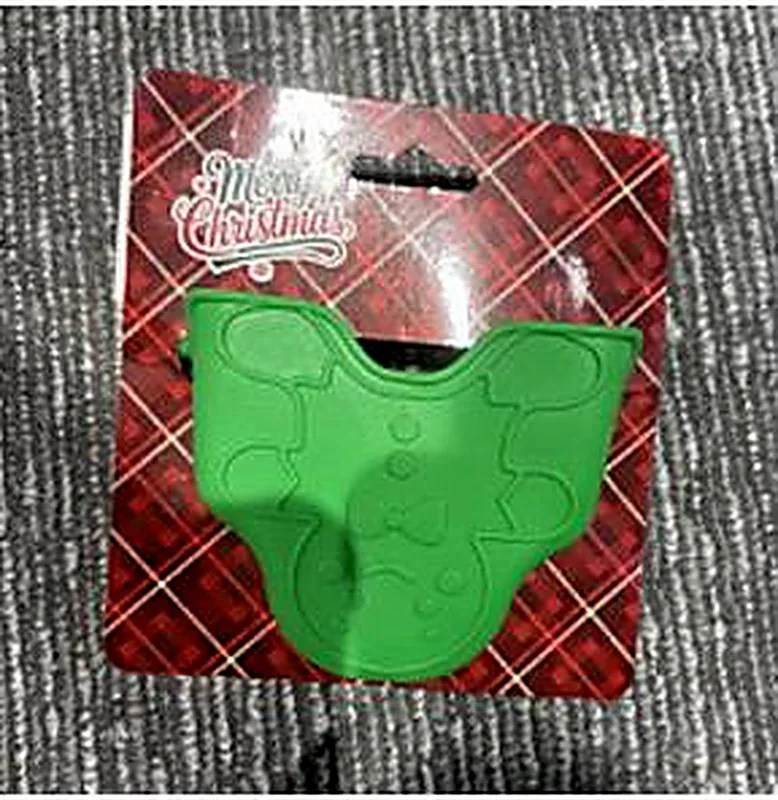
Silicone. The Silicone Pot Grip Pad (TVD-2824) is green silicone with a heat-resistant grip. The questions are silicone grade, colourant stability, odour and a written temperature statement. Heat is the claim to control: the listing gives no figure, so you need the factory's own figure before printing one. See the pot grip pad guide.
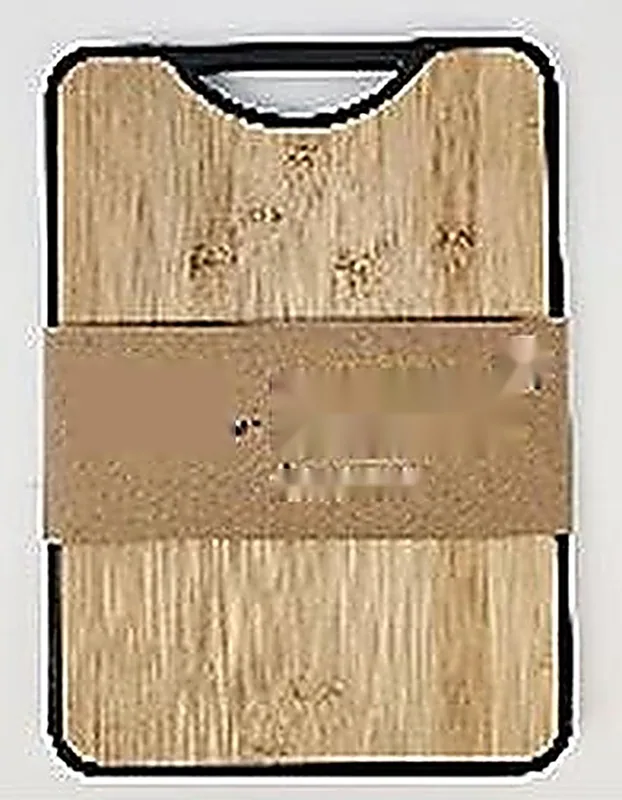
Bamboo. The Bamboo Cutting Boards (TVD-2832) come in 34.5 x 24.5 and 38 x 28 cm with a black handle edge. Bamboo boards raise a finish-and-glue question: ask for food-contact tests on finishes and adhesives, and note that melamine-bamboo blends are not for microwave use. Detailed reading is in the bamboo cutting boards guide.
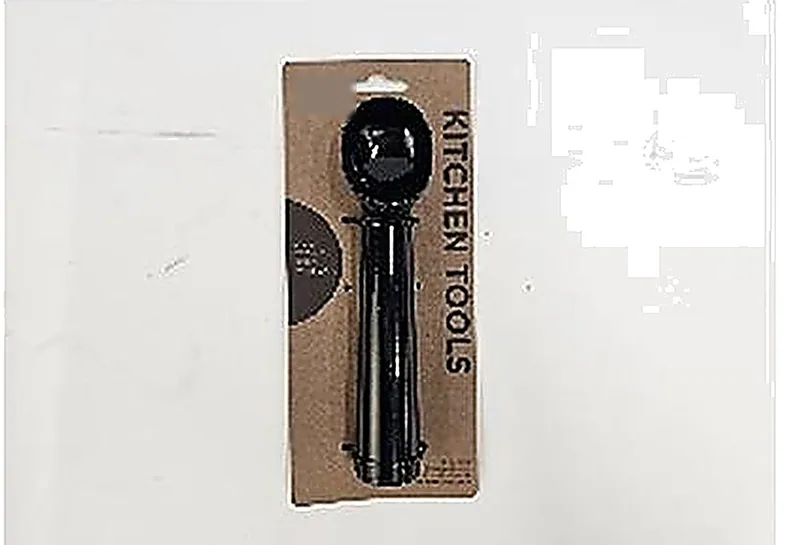
Plastic tools with coloured parts. The Black Ice Cream Scoop collection (TVD-2836) covers black scoops of 18 x 4 cm in carded tool packs. Coloured handles and coatings call for a material statement and a lead report; the carded format makes bilingual labelling a card-artwork task. Several other carded lines share the same checks, including the Stainless Steel Mini Grater (TVD-10727).
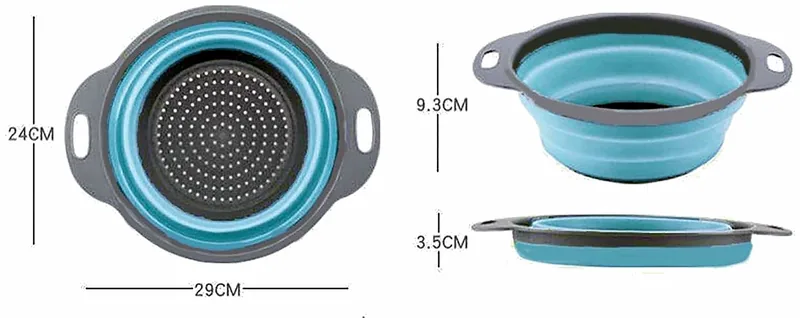
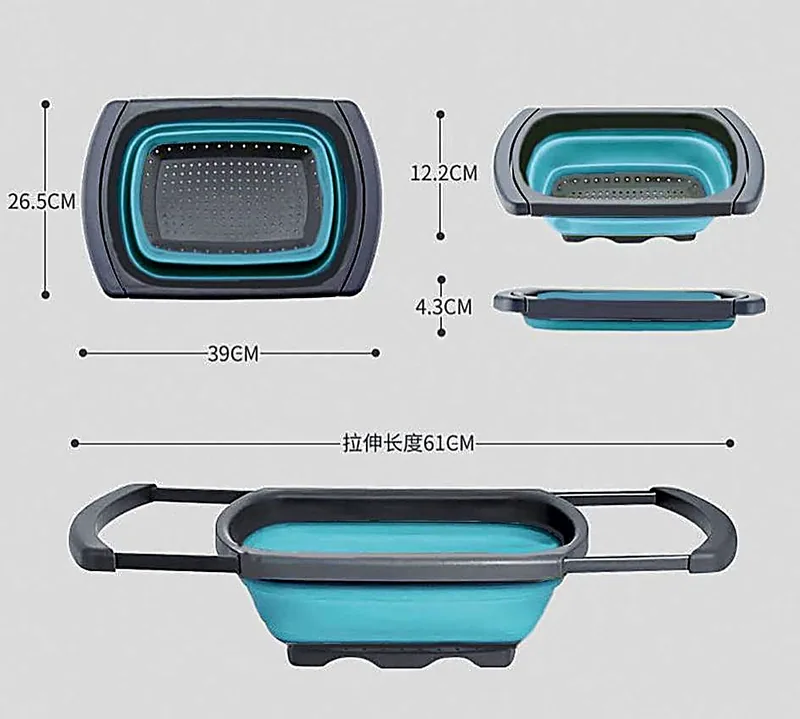
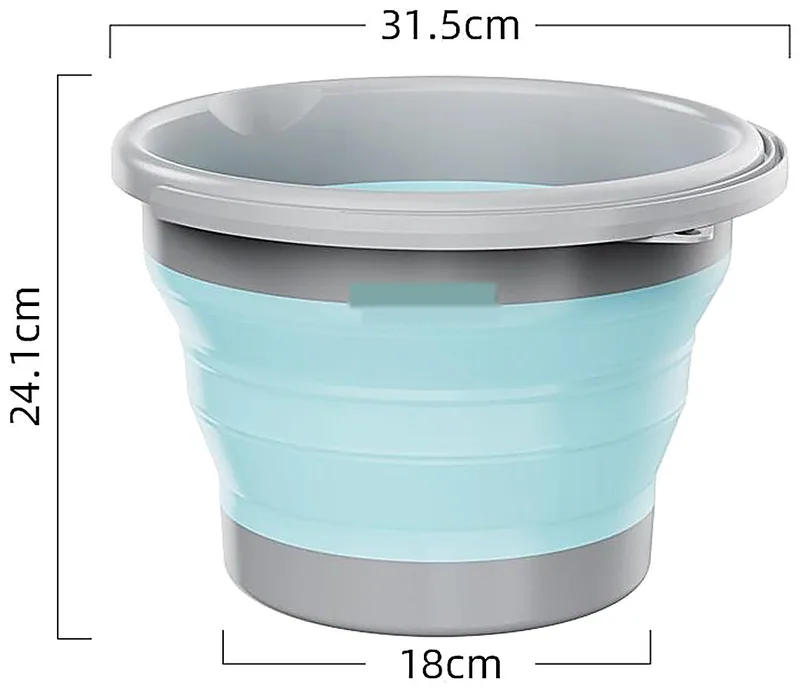
Foldable silicone and PP. The Collapsible Round Colander (TVD-1781) is a food-contact item that is foldable silicone and PP, 24 cm across. Ask for migration reports covering both materials, and for the factory's statement on dishwasher or microwave use. Its siblings, the over-sink colander (TVD-1782) and the 5 L foldable bucket (TVD-1783), share the same material questions, and if a bucket is sold only for cleaning, the food-contact conversation is lighter.
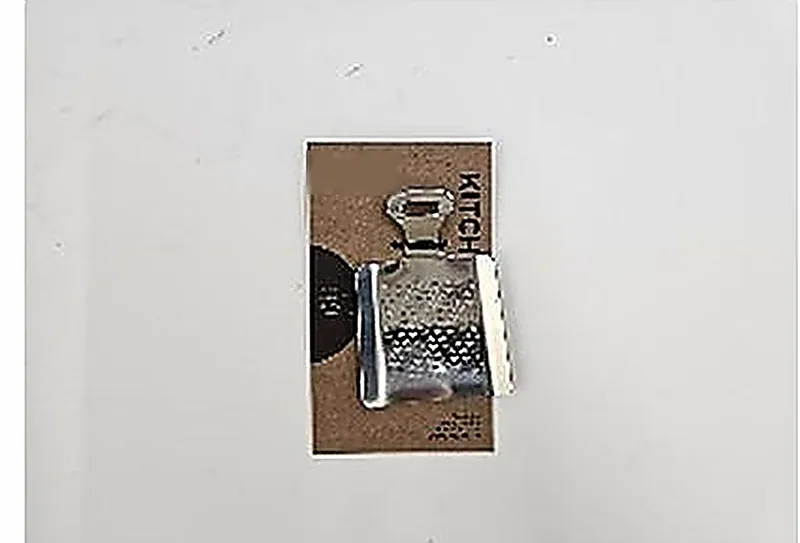
Stainless steel. Graters, nutcrackers, scissors and knives raise a steel-grade question: ask for the grade, the finish, and for blades the steel type and handle material. The Stainless Steel Mini Grater (TVD-10727) and Stainless Steel Nutcracker (TVD-2837) come in carded packs, so labelling is again a card matter. The Knife Block Set (TVD-2887) adds wood-look handles, so ask what those handles are made of and what coating they carry.
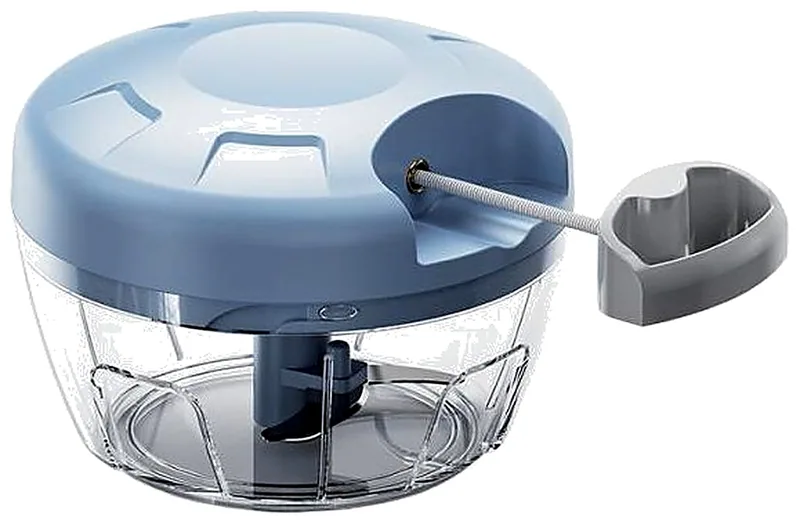
Food-handling choppers. The Pull-Cord Hand Food Chopper (TVD-1779) is a manual device with a clear bowl and three blades; it is food-contact, so the bowl and the blade steel both deserve a report, and it needs a safe-handling note on the pack. Because it is a manual pull-cord tool, the powered-appliance rules do not come into play.
Document checklist for the line
| Document | What it answers | Who issues it | Most relevant to |
|---|---|---|---|
| Material statement with grades | What actually touches food and hands | Factory, via the quote | Every item |
| Food-contact migration report | Whether materials are suitable for food | Accredited lab, ordered by the factory | Colander, chopper, scoops, pad |
| Lead test report on coatings and colourants | Lead limits for kitchen utensils | Accredited lab, ordered by the factory | Coloured and plated items |
| Finish and adhesive statement for bamboo | Safety of lacquers and glues | Factory | Cutting boards |
| Written heat and wash-cycle statement | Whether dishwasher, microwave or heat claims are allowed | Factory, in writing | Pad, colander, bucket |
| Bilingual pack artwork proof | Packaging and labelling law, and Quebec French | You and us | All carded and boxed goods |
| Classification and origin confirmation | Import duty and taxes | Our customs broker | Every shipment |
Provincial and buyer differences
For these products there is no provincial approval scheme comparable to electrical safety authorities. Differences are language, tax and buyer rules. Quebec requires French on labels and instructions; GST, HST, PST or QST depend on the delivery province, explained in our sales tax by province guide. Restaurants and caterers deal with health inspectors who expect equipment that is durable, easy to clean and sanitary, and some ask for sanitation certification on commercial food equipment; for hand tools bought for staff use, ask your health unit what it wants. Big chains often add their own vendor-compliance forms.
What happens when a document is missing
- A retailer's compliance team can refuse to list the item until a food-contact or lead report arrives.
- A health inspector can question a utensil whose materials are unknown.
- A Quebec buyer can send back a card without French.
- Customs can hold goods whose classification or origin was not confirmed.
- If a customer reports harm, incident reporting applies, and recall powers exist under the CCPSA.
How we handle it
Each quote states what is available, what the factory can test on request, and what is still to be confirmed, with delivered cost to your address; the landed cost calculator gives an early estimate. Samples are available on most items and usually credited to the first order, many lines have low trial minimums, and payment is 30% deposit and 70% before release. Products from several factories can share one container, so a mixed gadget order is workable. Start with how ordering works and send a quote request. Browse the range in Kitchen Gadgets & Knives, or see the wholesale guide and home kitchen and tableware in Canada.