Certification guide ·
Plastic storage, buckets and bins in Canada: which rules apply to which product
Canisters, lidded bowls, popcorn buckets, lunch boxes and bins share a shelf but not a rulebook. Here is how to sort the documents out.
One line, several different compliance problems
The Plastic Storage, Buckets & Bins line looks uniform on a shelf: lidded, printed, plastic-looking containers in many shapes. For compliance it is not uniform at all. A canister that holds flour, a lidded mug, a popcorn bucket and a swing-lid bin for a bedroom sit under different rules, depending on what they touch and where they are sold. No certification mark is on file for any item in this line. We confirm certification status and supply the documents with the quote before you order, product by product.
The rules that run across the whole line
- Food and Drugs Act. Selling food in or with materials that may make it harmful is prohibited. Health Canada does not pre-approve kitchenware, but it offers voluntary Letters of No Objection for food packaging materials. Buyers commonly ask for food-contact test reports, for example FDA or EU migration tests.
- Canada Consumer Product Safety Act. It prohibits consumer products that are a danger to health or safety, requires incident reporting and allows recalls. Health Canada enforces it.
- Consumer Packaging and Labelling Act. Prepackaged consumer products need bilingual product identity and net quantity, plus the dealer's name and place of business.
- Quebec, Charter of the French language. Labels, instructions, manuals and warranty documents must be available in French, with French at least as prominent.
- Consumer Products Containing Lead Regulations. Lead limits include kitchen utensils and products for young children.
- Glazed Ceramics and Glassware Regulations. They apply if a version of a product is glazed ceramic or glass that contacts food. Decorated rims and printed or metallic decoration near the lip are the known risk.
Electrical marks such as CSA, cUL and cETL, explained in CSA, cUL and cETL marks explained, are not relevant to this line, because our listings show no powered part. Canada also does not recognise the European CE mark as proof of compliance for consumer products.
Where the products part company
| Group | Examples | What drives the paperwork |
|---|---|---|
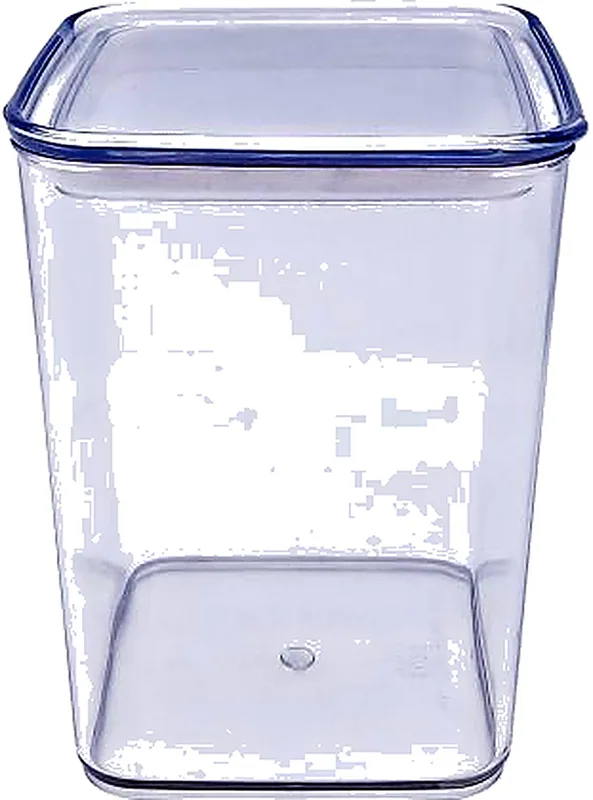
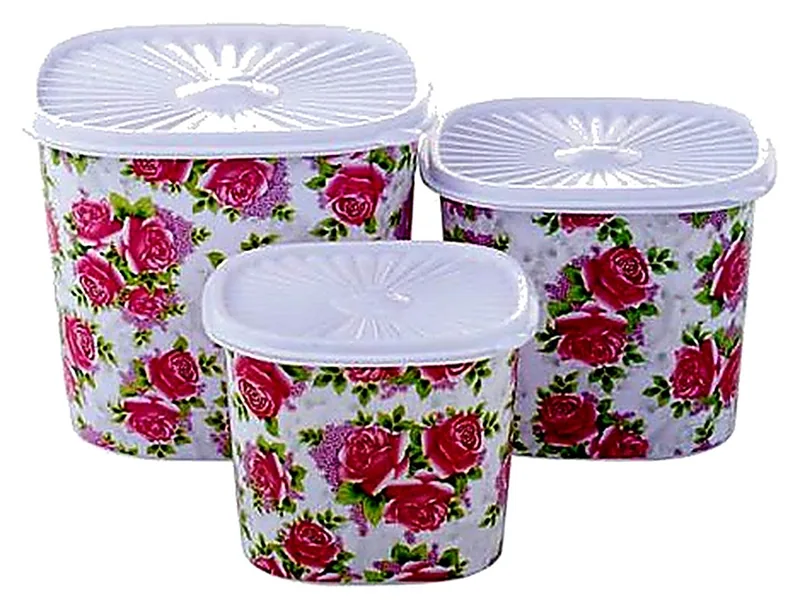
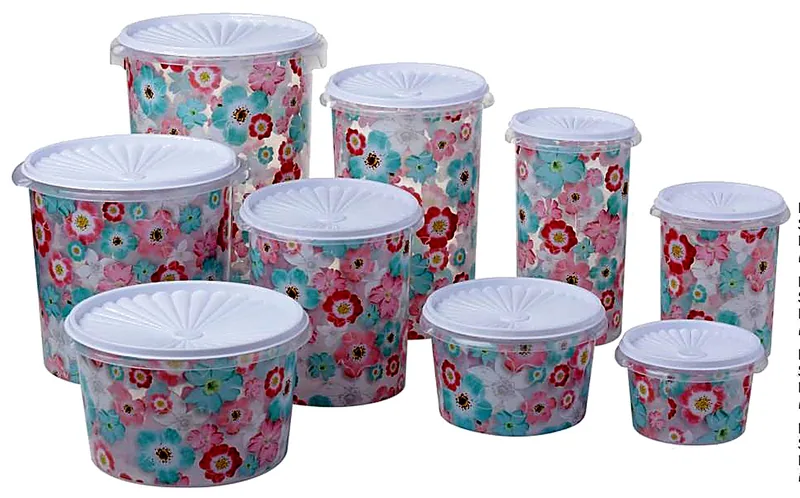
| Clear and floral canisters | Clear Square Storage Canisters (TVD-2514), Floral Storage Canister Set (TVD-2706) | Dry food storage: food-contact reports, and for the floral ones a question about the print |
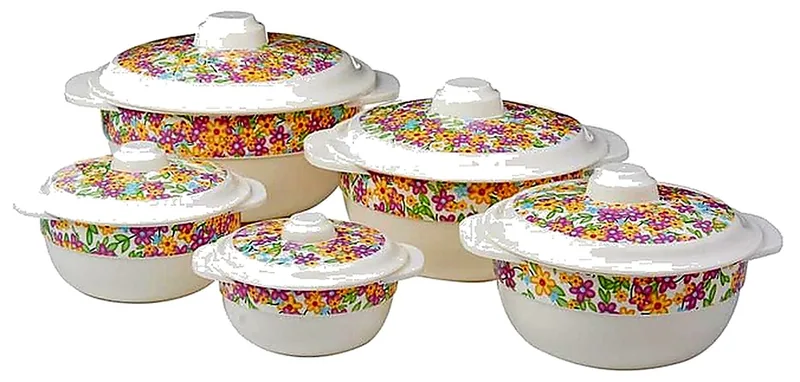
| Lidded bowls and mugs | Floral Lidded Pot Set (TVD-2705), Lidded Mug with Handle – Floral (TVD-10286) | Food contact and, for a mug, a drinking surface that touches the mouth |
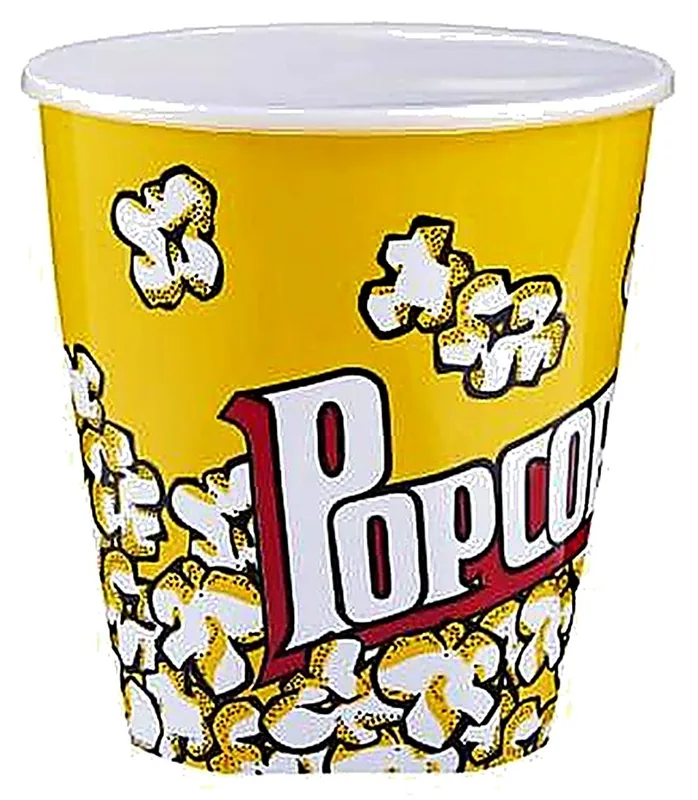
| Popcorn buckets | Popcorn Bucket – Large Straight (TVD-2703) | Concession food service, with print on a surface that holds snacks |
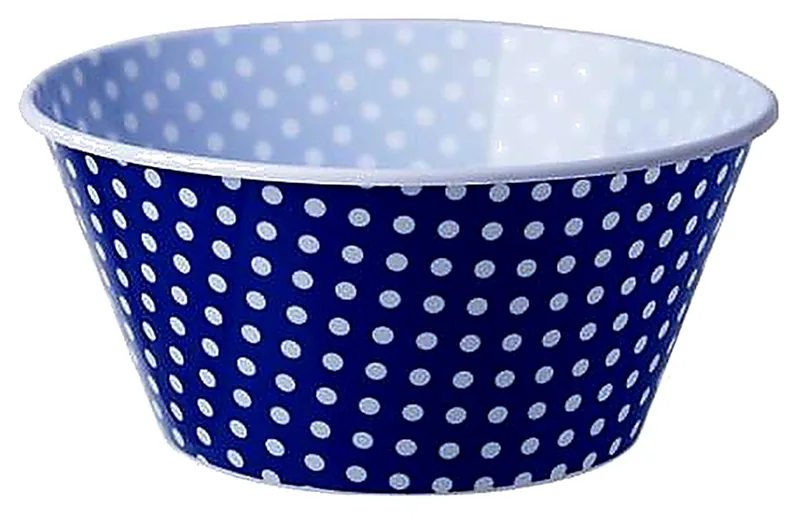
| Polka-dot bowls and pails | Polka-Dot Mixing Bowl – Blue (TVD-2704) | Kitchen prep, colour consistency across blue and green |
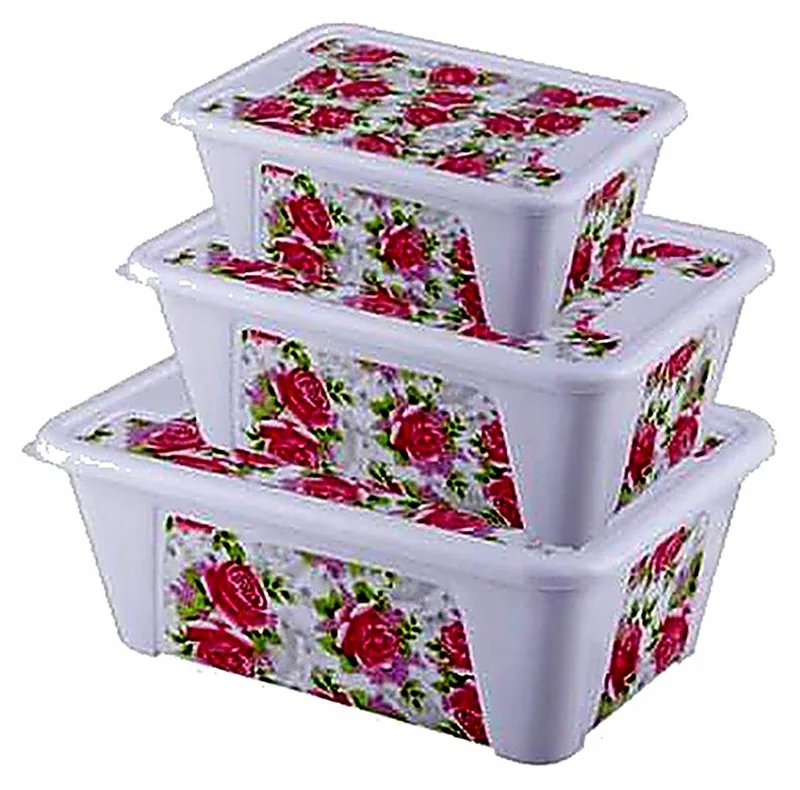
| Lunch and nesting boxes | Floral Nesting Lunch Boxes – Rose (TVD-2708) | Food carried and eaten away from home |
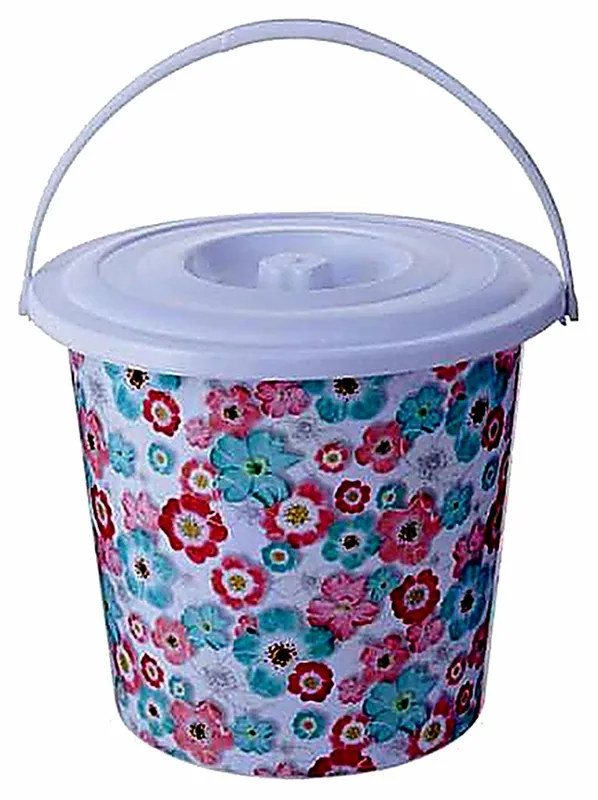
| Pails and swing-lid bins | Floral Pail with Lid (TVD-2725), Lilac Swing-Lid Bin (TVD-10296) | Often non-food use, so the consumer product and coating questions come first |
Food-holding pieces: canisters, bowls, mugs, boxes
For anything that holds food, the document at the centre of the file is a food-contact test report that matches the actual body and lid material. Our listings do not state materials, so the material and grade are confirmed on your written quote. Ask whether the factory rates a piece for microwave, freezer, oven or dishwasher use, and take only a written yes. Our guide to the clear square storage canisters buying guide shows how a plain clear canister is documented, and the floral canister set collection guide shows how the printed ones differ. Lunch boxes need extra care about who they are marketed to. Our listings do not describe them as children's products, so do not describe them that way unless the quote confirms it, because children's products pull in the lead and coating rules.
Printed and decorated pieces
Almost everything in this line carries a print: floral, polka-dot, popcorn or pastel. Ask where the print sits relative to the food surface and the rim, and what method was used. A pastel blue bowl with a gold-coloured handle, such as Blue Floral Lidded Bowls – Gold Handle (TVD-10292), brings the lead and cadmium question forward if the body is glazed ceramic or glass. We cover it in our compliance guide for TVD-10292. Surface Coating Materials Regulations set lead and mercury limits for coatings on furniture and on children's products, which is the reason coloured lids on bins for a child's room deserve a question. The bin versions, TVD-10293 and TVD-10294, raise the coating question instead.
Non-food pieces: pails and bins
Pails with lid and handle in the 10 L to 12 L range and swing-lid bins from 2.5 L to 10 L are often bought for laundry, bathroom or storage. Food-contact reports only matter if you sell them for food. Product safety (moving lids, handles) and labelling still apply.
Provincial differences
Federal rules are the same across Canada. Language is what changes by province: Quebec requires French on labels and instructions, and retailers there ask for it. Public health units, landlords and franchisors set their own expectations for food equipment in commercial kitchens, which may include NSF/ANSI or equivalent sanitation certification. Check what yours ask for before you buy.
If documents are missing
- A retail buyer can refuse to list, or pull a product after a complaint.
- A restaurant inspector or franchisor can reject food equipment that cannot show what it is made of.
- Health Canada can order a recall of a consumer product found to be dangerous, with the cost sitting on the importer or seller.
- English-only labels can be stopped before they reach Quebec shelves.
How we handle it
We confirm certification status and supply the documents with each quote. If a report does not exist for an item, we say so, and you can order samples to test before a full order. Products from several factories can share one container, so a mixed order from this line plus other kitchen items works. Rules change, and this is not legal advice, so confirm with Health Canada, your inspector or your customs broker.
Start with the quote request, read how ordering works, and use the sales tax by province guide and the landed cost calculator to plan costs. The wholesale guide to plastic storage, buckets and bins and the home kitchen and tableware range delivered in Canada give the commercial picture.