Product guide ·
PVC-Laminated Gypsum Ceiling Board (TVD-1430): A Wipeable Face on a Gypsum Tile
TVD-1430 laminates a printed and embossed PVC film onto gypsum board, in a square suspended-ceiling format. A guide to where the film helps, where it needs scrutiny, and how to order.
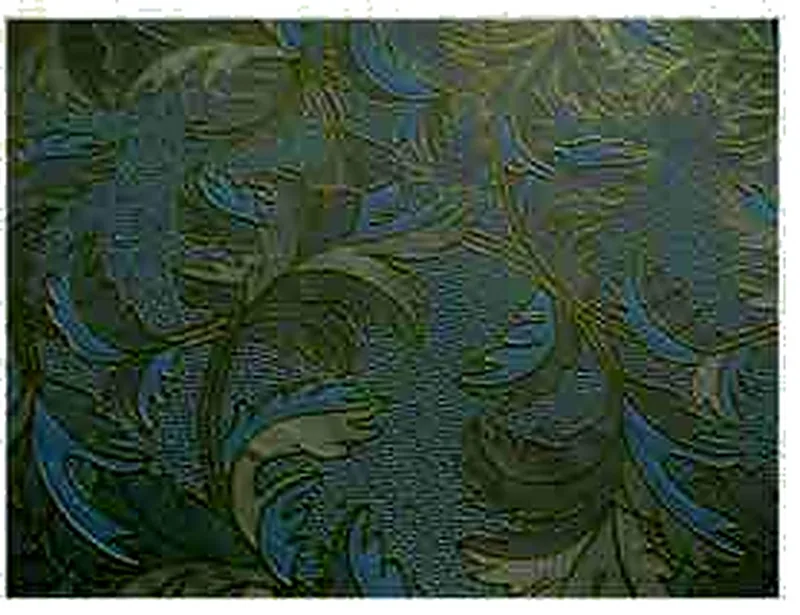
Painted ceilings need repainting. Film-faced ceilings need wiping. That is the practical argument for PVC-Laminated Gypsum Ceiling Board (TVD-1430), which our listing describes as gypsum board with a PVC film face, printed and embossed designs, in a square suspended ceiling tile format. The design is in the film, the structure is in the gypsum, and the result is a tile that can be cleaned with a damp cloth.
Two materials, two jobs
The gypsum board supplies stiffness and bulk. It is a mineral material that holds its shape well and has a long record in ceilings, though it is heavier than mineral fibre and does not like prolonged water. The PVC film supplies the look and the cleanability. Because it is printed, it can imitate wood, stone, fabric or a plain colour, and because it is embossed, it can add texture that catches light. In a kitchen-adjacent corridor, a dining area or a clinic, a surface that wipes clean is a real benefit.
What printed and embossed designs mean for choice
The listing offers printed and embossed designs but does not name them, so ask for the design catalogue. Compare designs under your own lighting, since embossing looks different under spotlights than under flat panels. Where several tiles meet, a pattern may need to line up, and the match between tile edges is worth checking on a sample laid beside another. Ask whether designs are available in every size, and whether a design can be reordered later, because a ceiling extension a year after opening will need identical tiles.
Replacing and matching later
Ceilings get opened. Plumbers, electricians and sprinkler fitters lift tiles, and sooner or later a tile is cracked or stained. With a printed design, a replacement tile must match the old ones, and printed batches can differ slightly in colour. Ask whether we can supply a small reserve of spare tiles with the main order, and keep them in a dry place on site. Many facilities managers forget this step and regret it when the original design is no longer made.
Where it works well
- Restaurants and cafes, where grease-laden air and cleaning make a wipeable surface attractive.
- Clinics and care homes, where cleanliness is a visible requirement.
- Retail and offices that want a decorative ceiling in a standard grid.
- Contractors who need to complete a ceiling quickly in a ready-made format.
Questions about the film
A plastic film on a ceiling raises three questions that a plain gypsum tile does not. First, how does it behave in a fire test? A film is an organic layer, and flame-spread testing is done on the finished surface, so a report on the gypsum alone is not enough. Second, how does it behave over time? Ask about colour stability under indoor lighting, and about heat near lamps or heaters. Third, how is it bonded? A film that lifts at the edges looks poor, and the maker can tell you what adhesive and process are used.
What to confirm on the written quote
- Tile size, thickness, weight and edge profile, with tolerance.
- The gypsum board type and the film description, and design codes with samples.
- Fire test report for the finished tile with its PVC face, naming thickness.
- Humidity resistance and the rooms the maker advises against.
- Cleaning guidance and any products to avoid.
- Grid compatibility: which standard suspended grids the tile fits, and the accessories needed.
- Pieces per carton, how faces are protected, and pallet weight.
Compared with the neighbours in the line
The Decorative Painted Gypsum Ceiling Tiles (TVD-1429) have embossed relief with painted and gilded finishes, which look richer and require more care. The Plain Mineral Fibre Ceiling Tile (TVD-1426) is a plain white tile with a smooth fine-textured face, much lighter and simpler. The Painted Ceiling T-Grid System (TVD-1433) is the frame that holds lay-in tiles. TVD-1430 sits between decorative and practical, and our guide to TVD-1429 shows the other end of that scale.
Canadian considerations
The National Building Code of Canada, adopted with changes by each province, limits flame spread on interior ceiling finishes, tested to CAN/ULC-S102. Plastic-faced ceiling tiles are an area where officials look for a real report on the finished product, not a general statement. Some will review an ASTM E84 report case by case. No certificate is on file for TVD-1430, so we claim none, and we confirm status and supply documents with the quote before you order. Rules change, and your building official makes the call.
Ceilings over Canadian entrances and kitchens deal with steam and temperature swings. A film surface may be fine in moist air while the gypsum behind is not, so ask for the maker's guidance on moisture, particularly in coastal and Atlantic regions. In Quebec, French labels and instructions are expected.
Ordering
Send design preferences, quantities in square metres and the grid type in a quote request. Our written reply gives specifications, certification status, packing, lead time and delivered cost. Samples are available on most items, with their cost usually credited to the first order. The ordering page sets out the 30% deposit and 70% before release. For the compliance picture across ceiling products, read the rules guide for ceiling tiles, and browse the line page.