Certification guide ·
Round Chafing Dish with Roll-Top Glass Lid (TVD-10829): Canadian Compliance
Chafers look simple, but a glass lid, hot water pan and fuel or electric heat each raise a different question. Here is what to ask for before ordering TVD-10829.
What is on file for TVD-10829
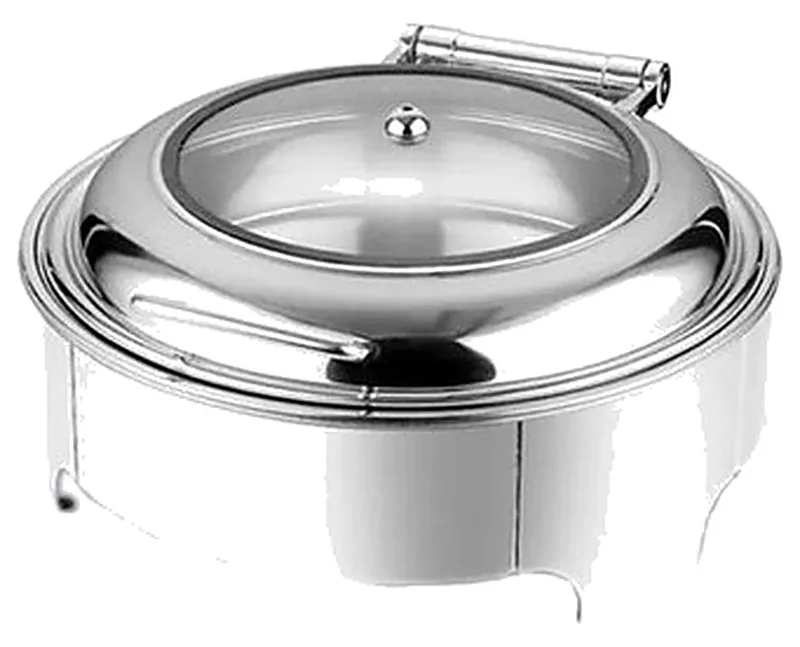
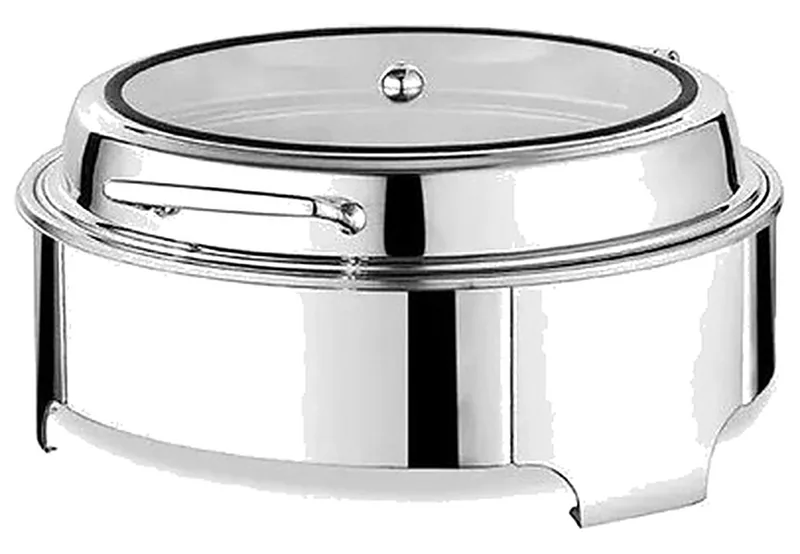
The Round Chafing Dish, Roll-Top Glass Lid (TVD-10829) is described with round soup or side pans, a soft-close lid, and use in breakfast and banquet buffets. No certification mark is on file. We do not describe it as certified, listed or compliant with any Canadian standard. Our quote tells you what evidence exists and what does not.
Unlike the big kitchen appliances, a chafer is catering tableware. Its compliance picture is about materials, heat and safe use at a buffet, not about a gas line or a hard-wired supply. Note that the rules that apply are the food-contact and glass or ceramic ones, not electrical ones.
Glass lid: the unusual part
The glass lid sits over hot food, collects steam and condensation, and is touched by guests. Canada's Glazed Ceramics and Glassware Regulations, made under the Canada Consumer Product Safety Act, limit the lead and cadmium that can leach from glazed ceramics and glassware that contact food. Decorated rims and printed or metallic decorations near the lip are a known risk. For a clear lid the practical question is whether it has a coloured or metallic edge band, a printed logo or a coating near where steam and drips run back into the food. If so, ask for a lead and cadmium test report. If the lid is plain clear glass with a stainless frame, say so on your request and we ask the factory to confirm.
Glass also raises a handling question: ask how the lid is made (tempered or not) and what the factory says about thermal shock. We do not publish those details because they are not in our listed points; we confirm them on the quote.
Stainless pans and the food-contact paperwork
The food, water and soup pans are the surfaces food touches. The Food and Drugs Act prohibits selling food in or with materials that may make it harmful. Health Canada does not pre-approve kitchenware, but buyers commonly ask the factory for food-contact test reports. The Consumer Products Containing Lead Regulations also include kitchen utensils. Ask for the stainless steel grade, the finish and any soldered or coated parts. Many health units and caterers ask for NSF/ANSI-type sanitation evidence on food-service equipment; check what your venue or client needs.
Heat source: ask, because the listed points do not say
The listed points for this chafer do not state its heat source. Chafing dishes in this line use fuel or electric heat, so the answer must come on the quote:
- If it is fuel-heated, it is a portable open-flame product. Ask which fuel containers the burner holder fits and what the factory says about stability and the lid. Venues, banquet halls and fire officials may set their own rules on open flame, so check with them.
- If it is electric, it is plugged in and falls under the Canadian electrical rule: it must carry a certification mark from a Standards Council of Canada accredited body (CSA, cUL, cETL) or a field evaluation label. Voltage and frequency must be confirmed as Canadian 120 V at 60 Hz. See our guide to the marks.
Document table
| Document | What it covers | Source |
|---|---|---|
| Lead and cadmium test report for the glass lid | Glass that sits over food, especially if the rim is decorated or coloured | Laboratory, through the factory |
| Stainless steel grade and finish statement | Pan and frame durability and cleanability | Factory |
| Food-contact test report for pans and any coating | Evidence that parts touching food are suitable | Laboratory, through the factory |
| Heat source confirmation and fuel holder details | Settles fuel versus electric before the order | Factory, confirmed on our quote |
| Electrical mark, if electric | Inspectors and venues expect it on plug-in equipment | Accredited certification body |
| Bilingual or French instructions if sold at retail | Quebec requires French instructions; packaged consumer goods have bilingual rules | Factory or us |
CE marking and overseas reports
A CE mark is not proof of compliance in Canada. If the factory offers European glass or food-contact tests, we can pass them on, but they do not replace the lead and cadmium evidence that suits the Canadian regulation, or the electrical mark if the unit is electric.
Province and venue differences
Hotels, banquet halls and caterers each set their own house rules, and health units are local. Quebec buyers should expect to need French documents for any product that is also sold to consumers or used where instructions are provided. Ask your venue about open flame before choosing fuel heat.
If something is missing
A venue or fire official can refuse an unlabelled electric warmer, and a caterer can be turned away from an event. A glass lid that fails a customer's lead test is a recall-type risk under the Canada Consumer Product Safety Act, which allows recalls of products that are a danger to health or safety. Better to ask first.
What we do
Request a quote at the quote request page. We confirm the heat source, certification status, available test reports, packing and delivered cost in writing, and how deposit and balance work is shown at how ordering works. Related reading: the rectangular glass-lid chafer guide, the round electric chafing dish certification guide, the rectangular electric chafer guide and the hotel buffet and catering line. Sister lines are at the Commercial Kitchen & Hospitality chapter.
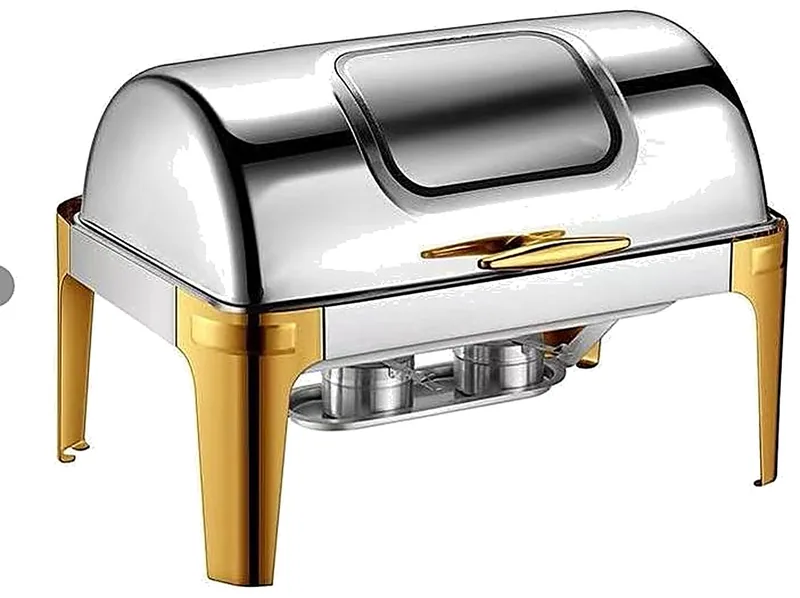
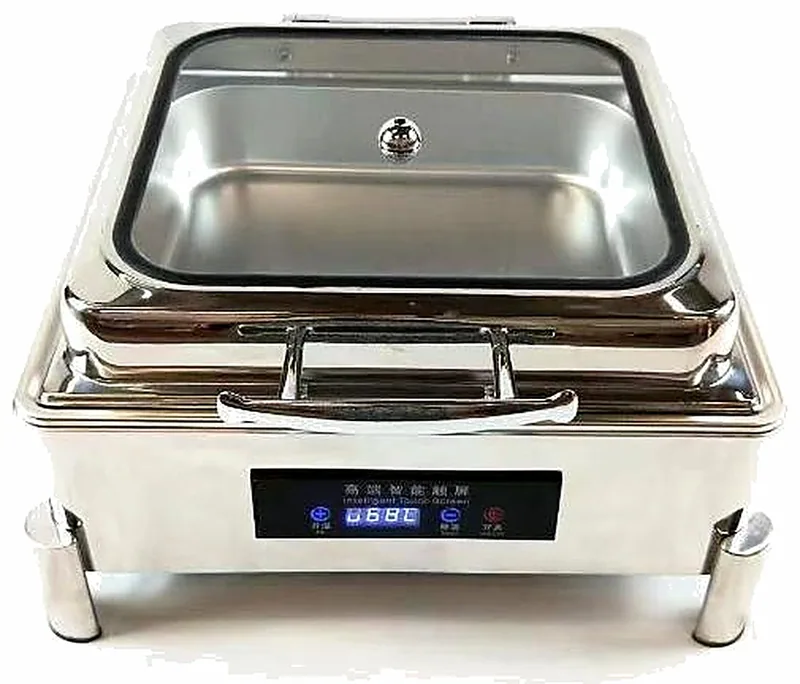
Compare with the Round Chafing Dish, Glass Lid (TVD-656), the Roll-Top Chafing Dishes (TVD-662) and the Digital Electric Chafers (TVD-657) if the heat source or lid style needs to change.
Rules change and differ between provinces and venues. Please confirm the current position with your inspector, health unit or customs broker. This is general information, not legal advice.