Certification guide ·
Rotating Spice Rack - Wood Turntable (TVD-2394): Compliance and Documents for Canada
The rack touches no food, but its jars will. Here is how to sort out jar materials, food-contact reports and labelling before you import the rack.
What needs checking on a rotating spice rack
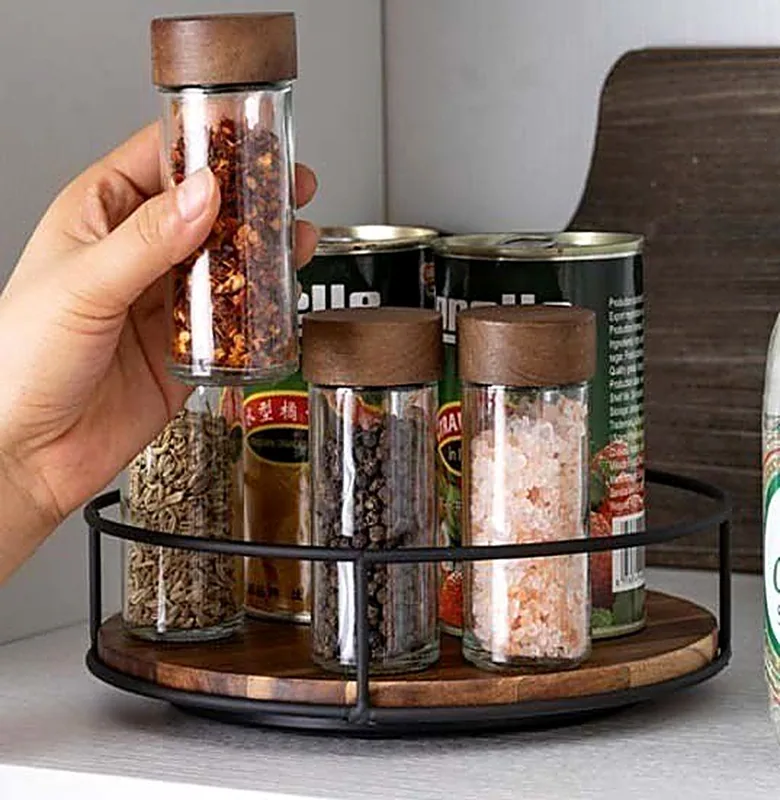
The Rotating Spice Rack - Wood Turntable (TVD-2394) is a metal and wood piece with a turntable base that holds jars, for table and counter use. Compliance for this rack is shaped by three things: it holds jars that will contain spices, it has a moving turntable, and it is not an electrical product. Our product listing shows no motor, light, battery or cord, so electrical certification is a conditional only. If a version you are offered has any powered part, electrical products sold or installed in Canada must carry a mark from a Standards Council of Canada accredited body, such as CSA, cUL or cETL, and a US-only mark is not enough. See the marks explainer for the marks.
Mark status: no certification mark is on file for TVD-2394. We do not describe the rack as certified, listed or approved. We confirm certification status and supply the documents with the quote before you order.
The jars are the main compliance question
The rack itself touches no food. The jars do. The Food and Drugs Act prohibits selling food in or with materials that may make it harmful. Health Canada does not pre-approve kitchenware, so buyers ask the factory for food-contact test reports covering jar bodies, lids and any seals. Our listing does not say whether jars are included or what they are made of, so the first step is to find out from the quote: glass, ceramic, plastic or metal tins each lead to different documents.
- Glass or ceramic jars: the Glazed Ceramics and Glassware Regulations set limits on lead and cadmium that can leach from glazed ceramics and glassware that contact food. Decorated rims and printed or metallic decoration near the lip are a known risk, so ask for a lead and cadmium test report.
- Plastic jars or lids: ask for the food-contact test report and the plastic type.
- Metal parts: ask what finish or coating is on any metal that touches a jar or a lid.
- Lead in kitchen utensils: the Consumer Products Containing Lead Regulations set lead limits that include kitchen utensils and products for young children; ask whether any part of the rack or its accessories could fall under them.
Moving parts and the Consumer Product Safety Act
The Canada Consumer Product Safety Act applies to consumer products: it prohibits products that are a danger to human health or safety, requires incident reporting and allows recalls, and Health Canada enforces it. A turntable raises ordinary practical points, not special numbers. Check that a loaded base does not tip a countertop rack, that the turntable cannot detach and drop jars, and that wood and metal edges are smooth. Keep photos and notes from the sample inspection; they are your diligence file if a customer complaint arrives.
Documents to request
| Document | Purpose | Usually from |
|---|---|---|
| Certification status statement | Plain statement that no mark is on file and what documents exist | Thames Valley Distribution, with the quote |
| Jar specification (material, size, count, lids) | Decides which food-contact documents you need | Factory, confirmed on the quote |
| Food-contact test reports for jars and lids | Supports the Food and Drugs Act position | Factory or accredited laboratory |
| Lead and cadmium report for glass or ceramic jars | Covers decorated or printed rims near the lip | Laboratory |
| Wood and finish description | Answers questions about splash and wipe-down use | Factory |
| Sample inspection notes on turntable and stability | Evidence of due diligence | You, from the sample |
| Bilingual retail packaging proof | Needed for prepackaged consumer sale | You, with our help |
| French instruction card (Quebec) | Charter of the French language | Us or the factory |
Labels, jars and French
Jars with printed spice names raise a language question. If a jar carries printed text for consumers, French has to be considered alongside English; in Quebec the Charter of the French language requires labels, instructions, manuals and warranty documents to be available in French, with French at least as prominent as any other language. Blank jars and a bilingual sticker sheet are one simple route. For the carton, the Consumer Packaging and Labelling Act requires bilingual product identity and net quantity and the dealer name and place of business for prepackaged consumer products. If you sell the rack pre-filled, the filled product is a different matter and should be confirmed with the relevant authority.
CE marks and other foreign paperwork
A European CE mark does not stand in for a Canadian requirement: Canada does not recognise it as proof of compliance for electrical, gas or consumer products. Food-contact test reports from the factory, however, are commonly accepted by buyers as supporting evidence when they come from a recognised laboratory (FDA and EU migration tests are the usual examples), so ask which ones exist.
Differences by buyer and province
- Retail chains usually have a supplier document pack; ask for it early so jar documents can be matched to it.
- Restaurants and caterers answer to local public health inspectors, who care that food equipment is durable, easy to clean and kept sanitary.
- Quebec retailers will ask for French documents and labelling.
How we handle it
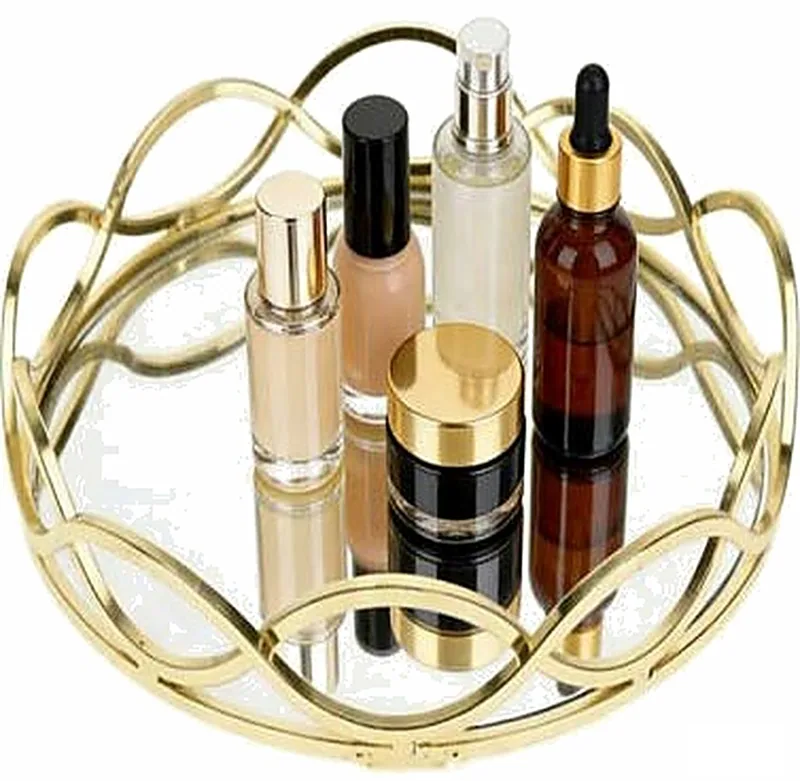
We confirm certification status and supply the documents with the quote before you order, then agree samples: the sample cost is usually credited to your first order. Payment is a 30% deposit and 70% before release. Read the buying guide for this rack for features and ordering, compare the mirror-tray approach in the gold mirror tray compliance guide, and send a quote request. Rules change, so confirm requirements with the relevant authority, your inspector or your customs broker. This is general information, not legal advice.
Useful pages: how ordering works, the Trays and Spice Racks line and the Canada delivery hub.