Product guide ·
Silicone Baking Utensil Set (TVD-2875) with Stainless Slotted Spoon, Nylon Ladle and Pasta Server
Four wood-handled serving and cooking tools share one description of black nylon, a ladle, whisk, skimmer and a roll set. Here is how caterers, households and retailers can choose between them.
Four tools, one product description
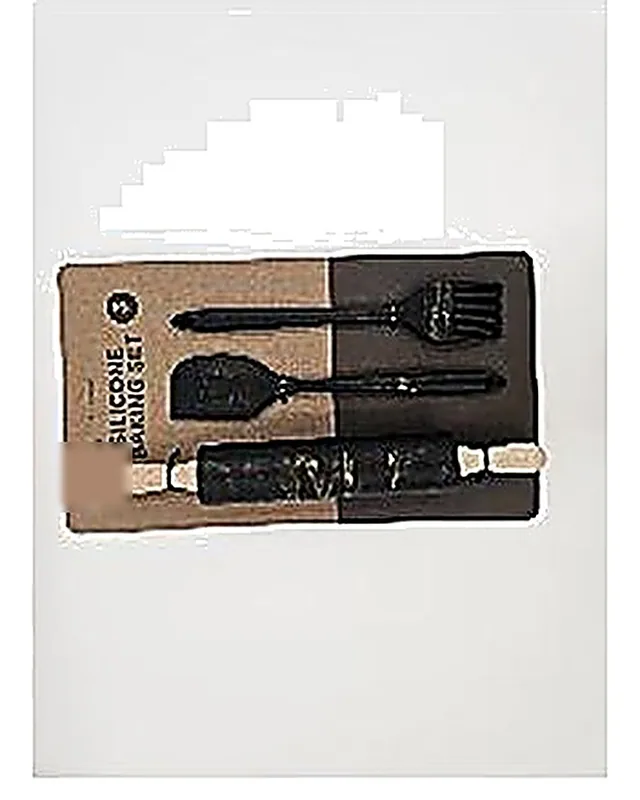
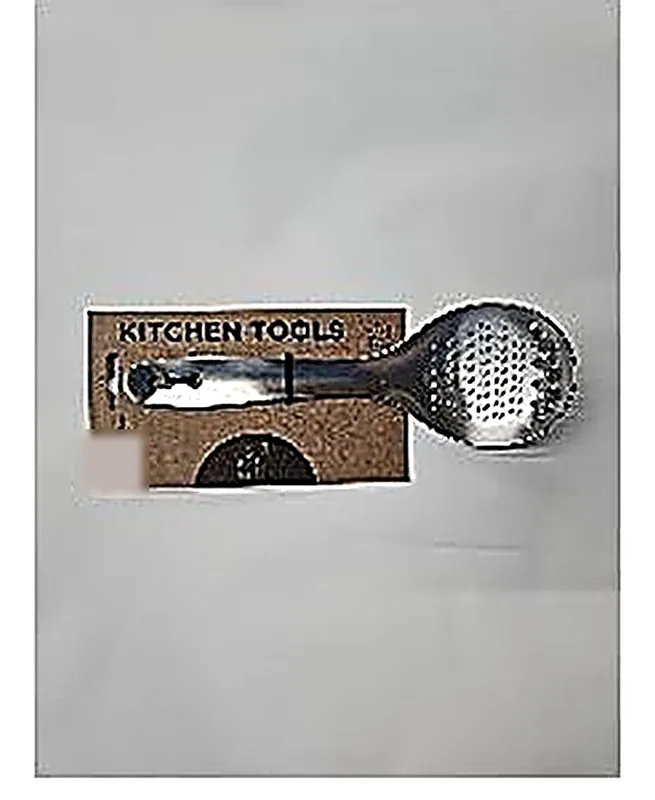
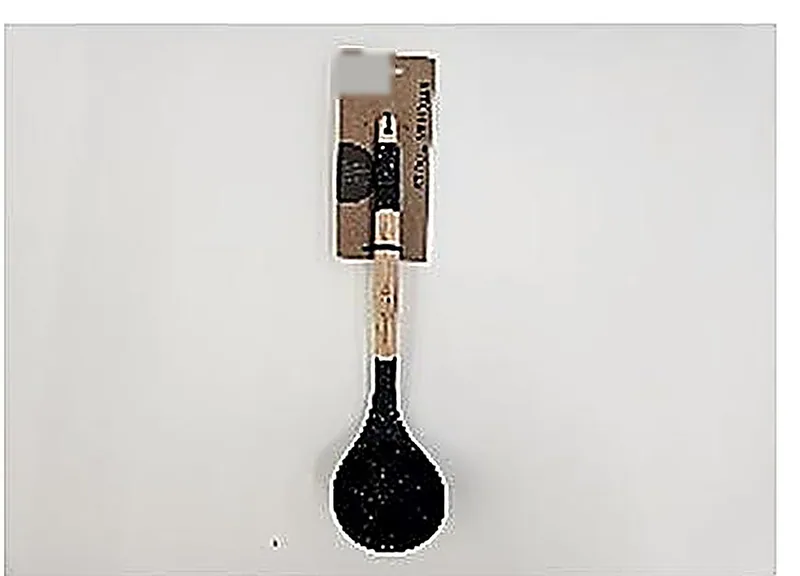
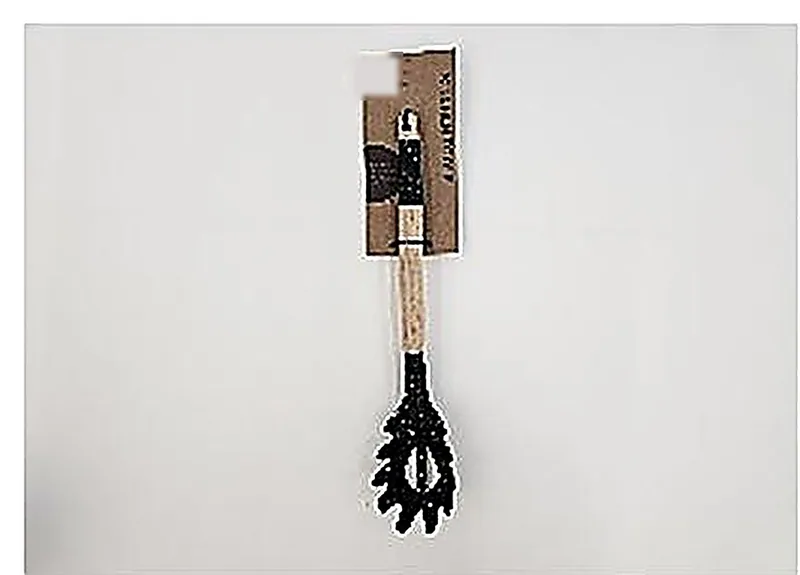
The Silicone Baking Utensil Set (TVD-2875), the Stainless Steel Slotted Spoon (TVD-10717), the Black Nylon Ladle (TVD-10718) and the Black Nylon Pasta Server (TVD-10719) share one product description: wood handle, black nylon, and a ladle, whisk, skimmer and roll set, with several styles available. The four pages share one specification, so the buyer should read the names as the real difference. One is a set, and three are single serving or cooking tools.
A note on naming: the first product is called a silicone baking utensil set, yet the shared description points to black nylon and wood handles. Which parts are silicone and which are nylon, and which pieces make up the set, are confirmed on your written quote. We would rather say so than let a shopper assume. All four belong to our kitchen utensils line.
What each product is for
| Product | Typical task | First question for the quote |
|---|---|---|
| Silicone Baking Utensil Set (TVD-2875) | A starter set for a home kitchen: scooping, whisking, skimming | Which pieces, how many, how they are packed |
| Stainless Steel Slotted Spoon (TVD-10717) | Lifting food out of liquid, draining | Stainless grade and how the metal head meets the wood handle |
| Black Nylon Ladle (TVD-10718) | Soup, sauce and stock | Bowl depth, stated heat limit, handle length |
| Black Nylon Pasta Server (TVD-10719) | Serving pasta and noodles | Tine or comb shape and heat limit |
Wood handles and nylon heads: what to ask
A wooden handle is warm in the hand and stays comfortable near a hot pot, but it needs care. Ask what wood and finish the handle has, whether the factory rates it for a dishwasher (wood often does not like one), and how the head is fixed to it. Black nylon heads are common on tools meant to be gentle on non-stick cookware, but nylon has a heat limit, and the limit should come from the factory, not from assumption. Our product listing gives no heat limit, so we state none: the stated heat resistance of each piece is confirmed on the quote. A restaurant using the ladle in a simmering pot should insist on that number before buying.
The stainless slotted spoon is the exception to the nylon rule, a metal head that tolerates heat but can scratch coated pans. Ask for the stainless grade; the quote confirms it.
Which buyer takes which product
- Caterers and restaurants: the stainless slotted spoon and the nylon ladle, since both earn their place on a service line. Order a sample set and run it through a normal service.
- Home bakers and households: the set, which is a convenient first purchase.
- Retailers: mix the set with the single pieces so shoppers who already own half a set can buy the missing piece.
- Discount and variety chains: the single pieces carded or bulk, with the set as an anchor.
Choosing between nylon and stainless
If the customer cooks in non-stick pans, nylon is the safer shelf recommendation, within whatever heat limit the factory states. If the customer drains and lifts from boiling water, or serves from a pot that is rarely non-stick, stainless takes the heat and lasts. The pasta server and the ladle both sit in the nylon half of the group, so a restaurant standardizing on nylon can take those two plus the set.
Food-contact rules for this group
The Food and Drugs Act prohibits selling food in or with materials that may make it harmful. Health Canada does not pre-approve kitchenware, so buyers commonly ask the factory for food-contact test reports for the nylon, the silicone and the stainless steel, for example FDA or EU migration tests. The Consumer Products Containing Lead Regulations include kitchen utensils, so ask for a lead result as well. If a health unit or franchisor requires NSF/ANSI or equivalent sanitation certification for commercial food equipment, tell us on the quote request. No certification mark is on file for these four products, so we do not describe them as certified; we confirm certification status and supply the documents with the quote before you order. See the food-contact import rules for kitchen utensils.
Labelling and packaging
If you sell the set or any single piece prepackaged, the Consumer Packaging and Labelling Act requires bilingual product identity and net quantity, plus the dealer's name and place of business. In Quebec, labels, instructions and warranty documents must be available in French, with French at least as prominent. Confirm on the quote whether the set comes boxed, carded or in a sleeve, and how many sets are in a carton.
Canadian use notes
Wood handles can move with the dry, heated interiors of Prairie and central Canada winters, and humid coastal climates can affect an unsealed handle too. Ask the factory how the handle is finished. Freight lands at Vancouver or Prince Rupert about two to three weeks port to port and travels on by rail and truck.
How ordering works
Every order is quoted in writing with the price for the quantity, specifications, certification status and documents, packing, lead time and delivered cost to your address. Low trial minimums are available on many lines, samples on most items with the sample cost usually credited to the first order, and payment is 30% deposit with 70% before release. Products from several factories can share one consolidated container. Send a quote request, read how ordering works, and check the sales tax by province guide and the landed cost calculator. The Canada delivery hub covers delivery across the country, and the kitchen utensils wholesale guide gives the wider view. Rules change; confirm requirements with the relevant authority, your inspector or your customs broker. This is not legal advice.
You may also want the black nylon whisk group, the black nylon slotted turner group and the silicone spoon and fork set.