Certification guide ·
Square Electric Chafing Dish (TVD-2168): Who Checks the Paperwork in Canada
Compliance for a plug-in chafer is not decided in one place. The electrical inspector, the health inspector and the venue each look at a different part of the same unit.
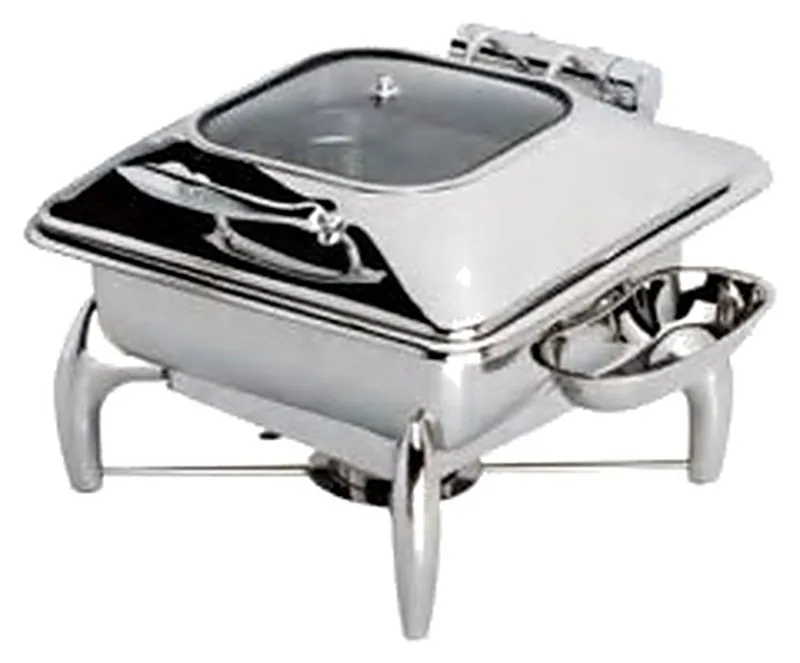
The Square Electric Chafing Dish (TVD-2168) has a square pan, a glass lid and electric heating, and is intended for buffet and catering work in our catering and buffet product line. No certification or listing mark is on file for it. Everything below is a list of what people will ask you for, not a claim that the unit meets any of it. Certification status is confirmed per item and the supporting documents travel with the quote, never after the order.
Three people who may look at the unit
1. The electrical inspector or authority
They look at the heating system. Electrical equipment in Canada is expected to carry a mark from a certification body accredited by the Standards Council of Canada, or a field evaluation label. The small c in CSA, cUL and cETL signals the Canadian version. If the mark is absent or US-only, an inspector can refuse the equipment. Each province has its own electrical safety body, for example the Electrical Safety Authority in Ontario.
2. The public health inspector
They look at the pan and lid. Local health units expect food equipment to be strong, easy to sanitise and keep clean, and some ask for NSF/ANSI marking or an equal sanitation certificate. Ask your health unit what it wants before you commit to a quantity.
3. The venue or the franchisor
A hotel, convention hall or franchise head office may set rules that go beyond the law: proof of marking before an outside caterer plugs in, a standard colour or style, a ban on open-flame warmers. Collect those requirements in writing and send them with your quote request.
Why a square electric unit raises extra practical questions
Square pans are chosen to fill a compact footprint, and electric bases are chosen where fuel is not wanted. That combination tends to end up in tight spaces such as corner stations, small tables and hotel breakfast bars. Before ordering, walk the room:
- Where is the nearest outlet for each unit, and is it on a shared circuit?
- Will cords cross a walking path? Cord length and plug type are quote items.
- Is the surface under the unit heat-tolerant? Ask for the unit's footprint and base details on the quote.
- Will several units run at once? Add up the amperage we quote and compare it with the circuit.
Documents table
| Document | Who will ask | Notes |
|---|---|---|
| Canadian electrical mark or field evaluation label | Electrical inspector, venue, insurer | US-only marks and the CE mark are not enough |
| Rating plate details: voltage, frequency, amperage | Venue electrician, you | Canadian supply is 60 Hz; we confirm before you order |
| Sanitation certification status | Health unit, landlord, franchisor | NSF/ANSI or equivalent where requested |
| Lead and cadmium report for the glass lid | Retailers, careful buyers | Particularly where there is rim decoration |
| Manual and warranty in French | Quebec buyers and retailers | Required to be available in French in Quebec |
| Pan and base description for cleaning | Kitchen manager | Confirmed on the written quote |
Glass, heat and cleaning
The glass lid is part of the food-contact path, so the Glazed Ceramics and Glassware Regulations are the reference for lead and cadmium limits on glassware that touches food. Beyond that, ask practical questions on the quote: how the lid is supported when open, and how the pan and base are intended to be cleaned. We do not publish thickness, temperature or capacity figures from memory; we state them on the quote.
Electric does not mean simpler
Buyers sometimes assume that going electric removes regulation, because there are no fuel cans. In fact it moves the regulatory weight onto the electrical mark. Gas rules, such as certification to the gas food-service equipment standard and installation by a licensed gas fitter, do not apply to a plug-in unit, but the electrical rules do.
What goes wrong when something is missing
- The unit is turned away at inspection, and the event proceeds without it.
- The venue refuses an outside caterer's equipment on safety grounds.
- A retailer will not stock the unit.
- An insurer questions a claim involving unmarked equipment.
A breakfast-bar walk-through
Picture a hotel breakfast bar with two square electric units flanking a cereal and pastry station. The electrical inspector and the health inspector rarely turn up on the same day, but the hotel's own safety officer does walk the room before opening. Label each unit by position, keep the quote paperwork in the kitchen office, and the answer to where the mark is takes seconds instead of a phone call to the buyer. Keep each manual with its unit, write the delivery date in the file, and if the hotel standardises later the same file shows which units match.
How we handle it
Certification status is confirmed per item and the supporting documents travel with the quote, never after the order. If a field evaluation is needed, we say so on the quote. The quote form is the place to send your quantity, delivery province and any venue requirements. Terms are on the ordering page, tax guidance is in the sales tax guide, and the our guide to Canadian electrical marks covers how to read an electrical mark.
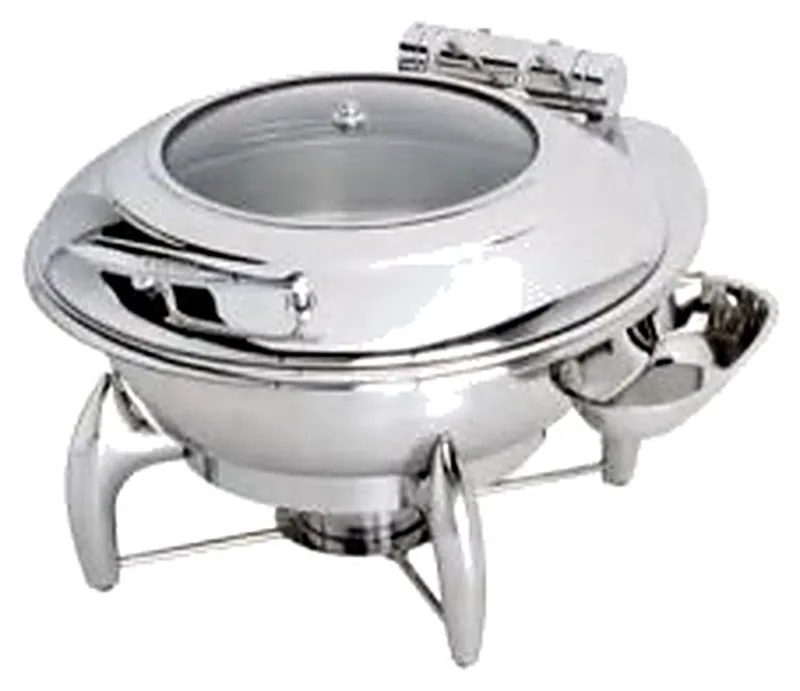
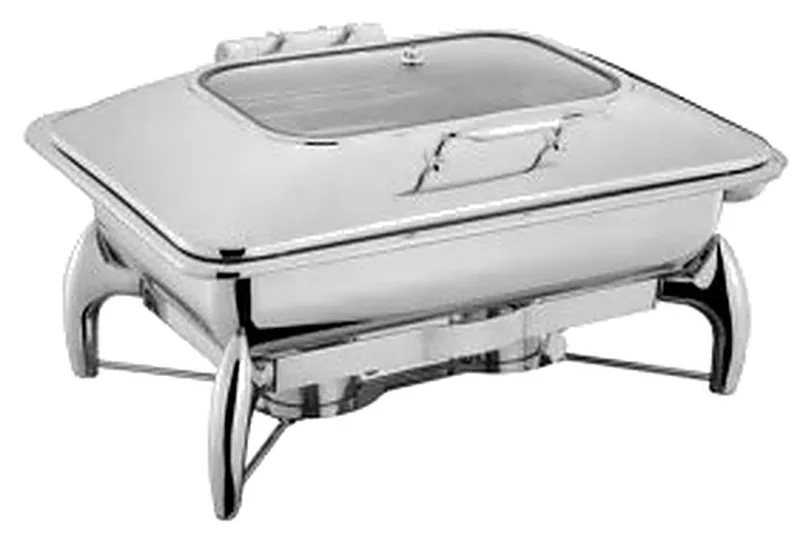
Compare with the round version, TVD-2167, and the rectangular version, TVD-2169. For all three together see the electric chafing dish guide. Because rules change, run your plan past the authority, the inspector and the customs broker involved. This is not legal advice.