Product guide ·
Stainless travel mugs with handle, 30 oz and 40 oz: choosing between TVD-2796 and TVD-10359
Big-capacity stainless drinkware with a handle and a straw lid, sold under two names that share one specification. This guide helps you choose between them and settle the details before you commit.
Two names, one listed specification
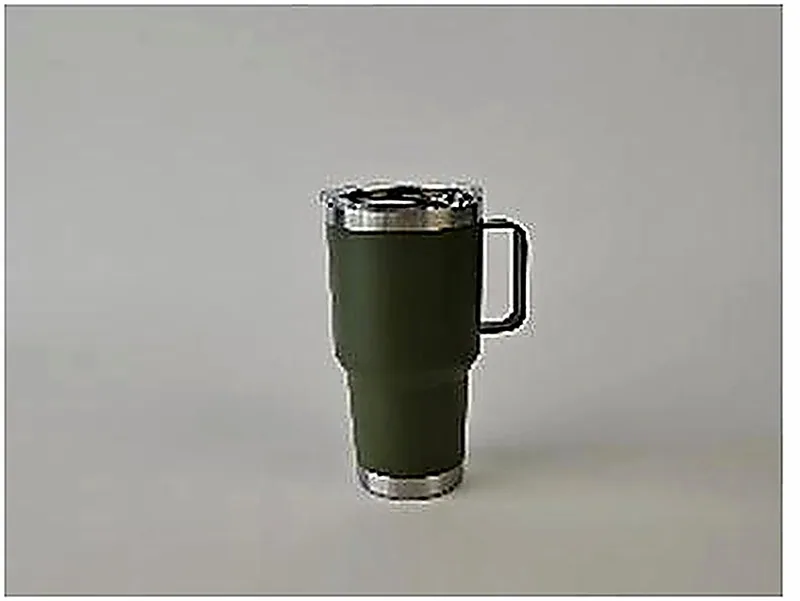
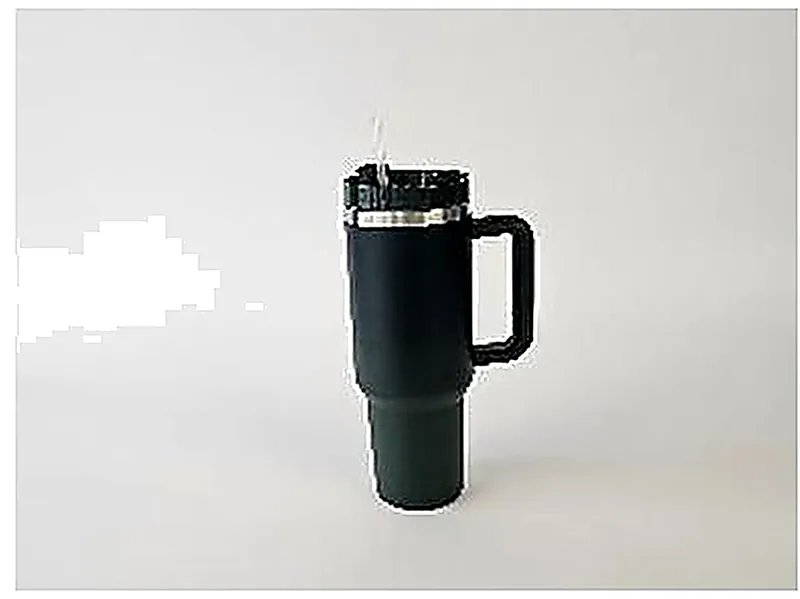
The Stainless Travel Mug – 30 oz (TVD-2796) and the Stainless Travel Tumbler – 40 oz (TVD-10359) have identical listed features: 30 oz and 40 oz sizes with a handle, a stainless body and a straw lid, in several styles. The names lean on different sizes, the mug on 30 oz and the tumbler on 40 oz, but the listing does not split them. We will not guess which version arrives in which size. Your written quote states, per name, the exact capacity, the wall construction, the weight and the lid and straw materials. Treat it as a collection of related drinkware you can mix in one order, and let the quote assign the sizes.
What 30 oz and 40 oz mean in daily use
Thirty ounces is roughly 890 ml and forty ounces is roughly 1.2 litres, so both are big cups, closer to a water jug than a coffee mug. That changes who buys them and how you pitch them:
- 30 oz: a long commute or a full morning at a desk; fits in a larger bag without taking over.
- 40 oz: a full day of water for a job site, a gym session or a road trip; heavier when full, which is where the handle earns its place.
Before you stock either, confirm the base diameter against the cup holders your customers use. Large stainless cups are only convenient if they fit the car, so ask for the base size on the quote.
The handle changes the buyer
Most stainless tumblers in this size are carried like a bottle. A handle makes the cup easier to lift when it is full and easier to hang from a hand or bag strap, and it widens the audience to people who struggle with a wide slick cylinder. It also changes packing: a handle adds a protruding part that can dent a neighbouring tumbler in transit, so ask how cartons are divided. We confirm handle attachment and material on the quote. If your customers include tradespeople, teachers or older drinkers, lead with the handle in your photos.
Who buys it, and how they use it
- Retailers and gift shops: a high-capacity cup lets you sell a premium step above the ordinary bottle. Place the two sizes side by side.
- Offices and schools: staff gifts and team swag. Ask about logo printing minimums and print method on stainless.
- Contractors, landscapers and outdoor crews: a straw lid means one hand on the wheel or tool. Ask about spill behaviour with the straw plugged.
- Online sellers: bundles of both sizes with a handle make a clean listing; confirm the packaging holds up in parcel handling.
- Discount and variety chains: a two-size ladder with several styles suits a planogram; ask for barcode and carton quantity details.
How to specify it
- State the sizes you want and the split between 30 oz and 40 oz.
- Ask for the stainless grade of the body, since the listing says stainless but not the grade.
- Ask for the lid and straw materials, the seal type, and whether they come apart for cleaning.
- Check whether the body is rated by the factory for dishwasher use, and whether the lid and straw are.
- Choose from the several styles and confirm colour and finish on a sample.
- Agree retail packaging, barcode, carton size and the minimum for each name.
Canadian use notes
Large steel cups spend a Canadian winter in cars. Parked overnight below freezing, a tumbler with water in it can split a seal or crack a lid, and liquids freeze in unheated winter transit too, so avoid shipping samples filled. For the buyer, the compliance side is simple but not optional. The Food and Drugs Act prohibits selling food in or with materials that may make it harmful, and Health Canada does not pre-approve kitchenware, so buyers commonly ask the factory for food-contact reports such as FDA or EU migration tests. Prepackaged cups sold in a box need bilingual (English and French) product identity and net quantity plus the dealer's name and place of business, and Quebec requires instructions and warranty text to be available in French.
No certification mark is on file for either travel mug. We confirm certification status and supply the documents with the quote before you order. Our drinkware compliance guide explains the paperwork in full. Rules change: confirm with Health Canada, your inspector or customs broker. This is not legal advice.
Nearby products to compare
If a 480 ml or 700 ml cup suits your customers better, look at the Insulated Straw Tumbler – Textured Green (TVD-2795) and its twin the Insulated Straw Tumbler – Sleeve (TVD-10358); our insulated straw tumbler guide compares them. For printed styles with a carry handle and a stainless 304 inner, compare the Patterned Straw Tumbler with Handle (TVD-2797). If you want clear glass instead, the Glass Mug – Turtle Figure (TVD-2794) with its green handle is an entirely different product; the glass mug guide explains why.
Ordering
Every order is quoted in writing for your quantity and delivery address, with specification, certification status, packing, lead time and delivered cost. Many lines offer low trial MOQs and samples on most items, with the sample cost usually credited to the first order. Payment is 30% deposit and 70% before release. Items from several factories can share one consolidated container, so a travel mug order can ride with the rest of your drinkware range. Ocean freight reaches Vancouver or Prince Rupert in roughly two to three weeks port to port. Open the quote request to start, or read how ordering works first; check taxes in the sales tax guide. A free account shows full product specifications on each product page.