Certification guide ·
Trivets and Mug Stands in Canada: Compliance, Import Rules and Food Contact
Wire trivets and cup stands carry no plug or gas line, but they still meet Canadian product safety, food-contact, lead, labelling and import rules. Here is what to ask for before you order.
Trivets and mug stands look simple, and that is exactly why buyers skip the compliance questions. A wire trivet has no plug, no gas line and no motor. Even so, a Canadian retailer, restaurant or caterer who brings in a pallet of them still has duties to meet: what the item is made of, how it is finished, how it is labelled and what the importer can show if a health inspector, a landlord or a retail buyer asks. This guide walks through the Trivets and Mug Stands line from that angle, product by product.
What is in the line and what that means for the rules
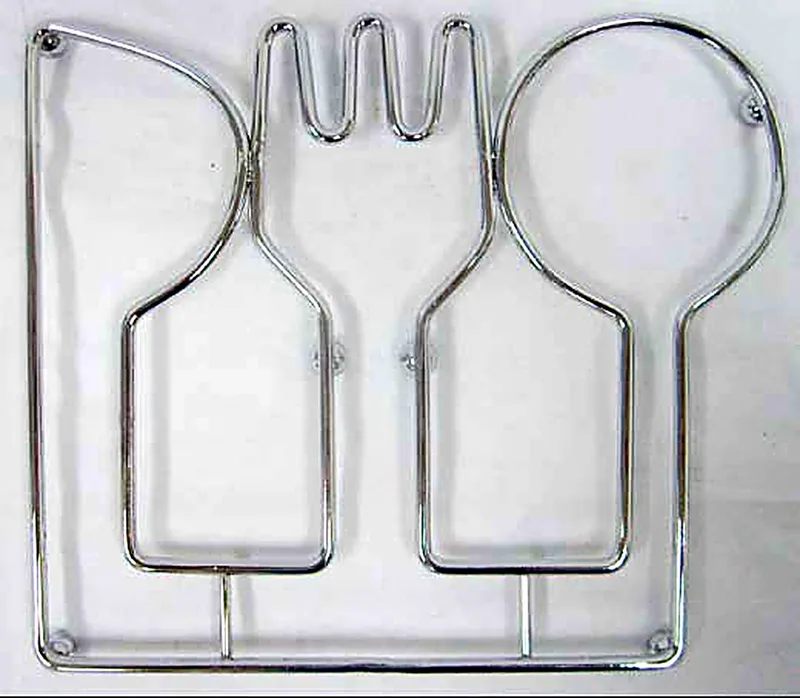
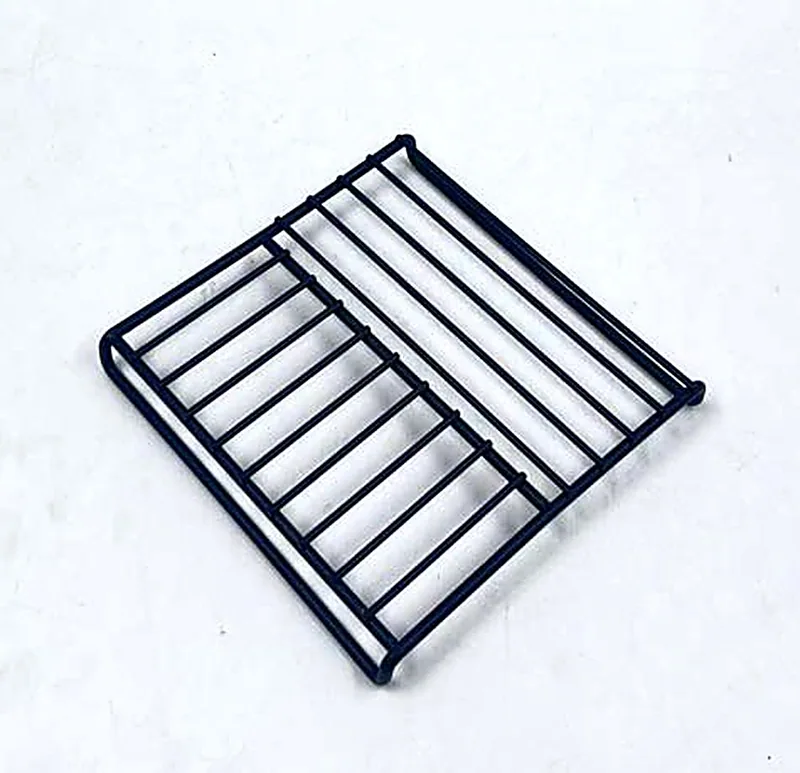
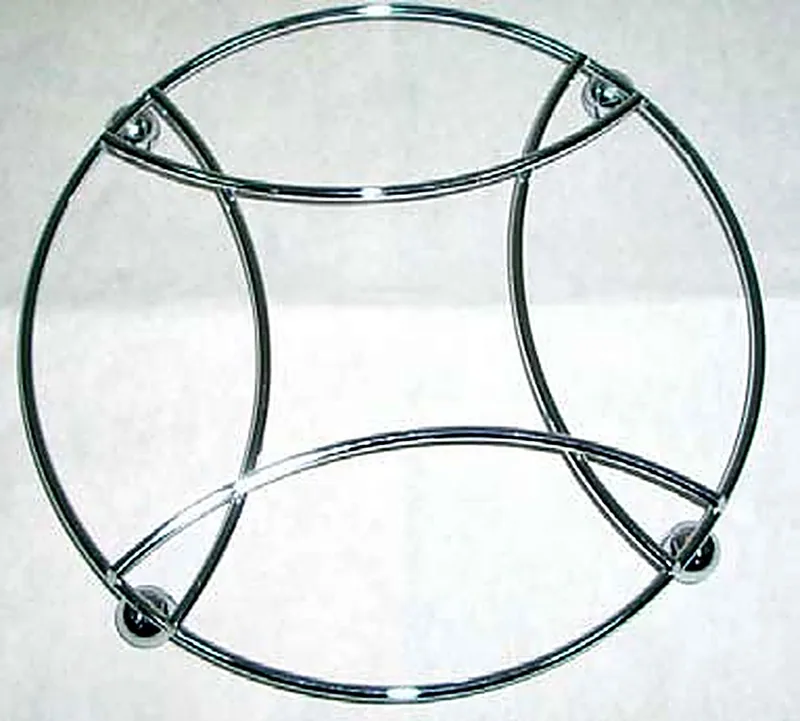
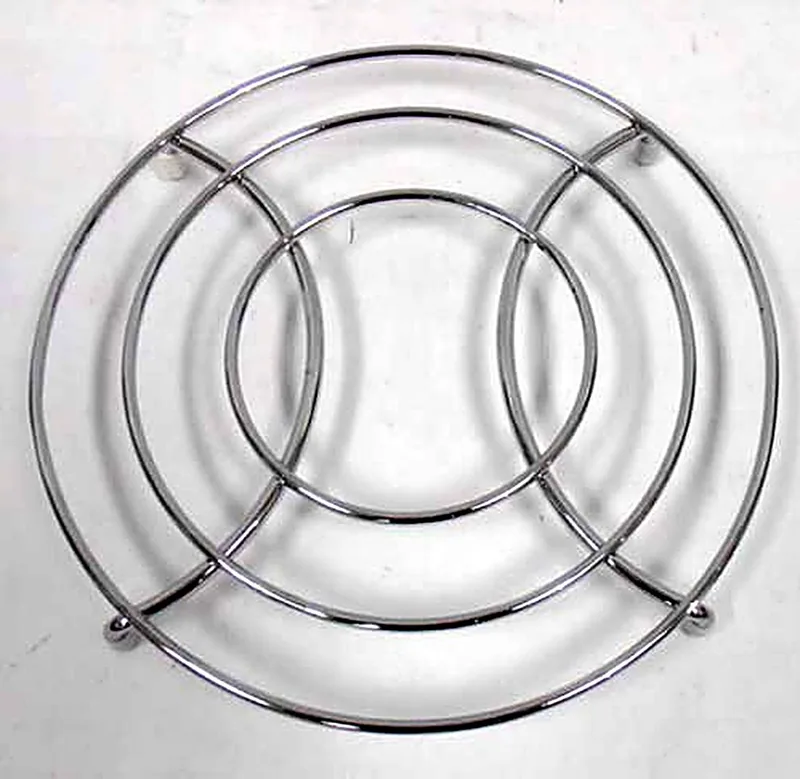
The line covers chrome wire trivets in decorative shapes and gold-toned wire stands for cups, saucers and mugs. Our listing describes the trivets as metal wire trivets that protect a table from hot dishes. The stands are metal wire cup stands for countertop display. None of the listed features include a powered part, a battery, a glass part or a padded part, so electrical, gas, upholstery and flammability rules do not come into the picture unless the version you order adds one. What does apply is the general package for tableware and kitchen accessories: product safety, food-contact materials where the item touches food or drink, lead limits, packaging and labelling, and import duty and tax.
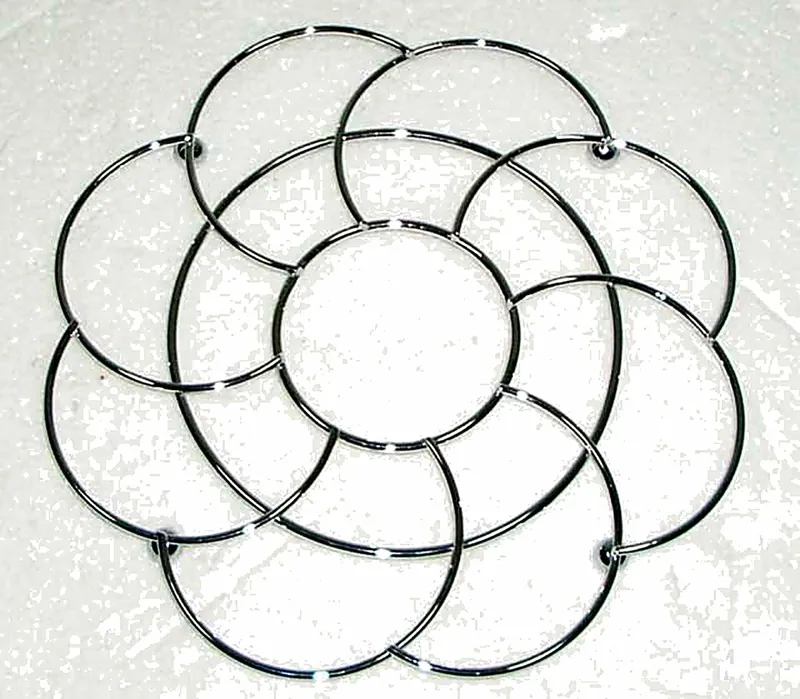
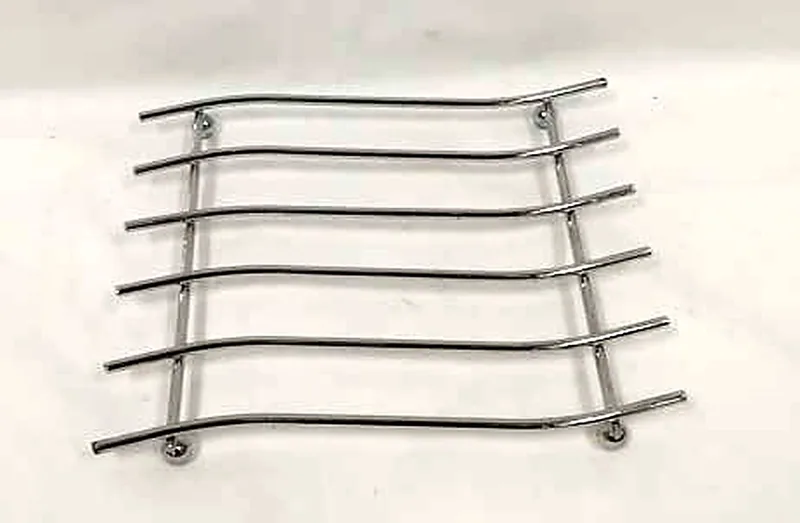
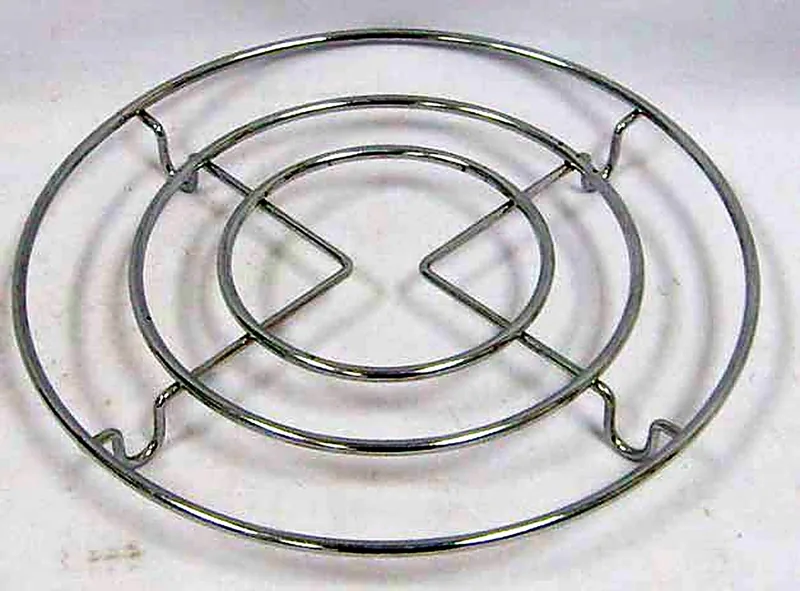
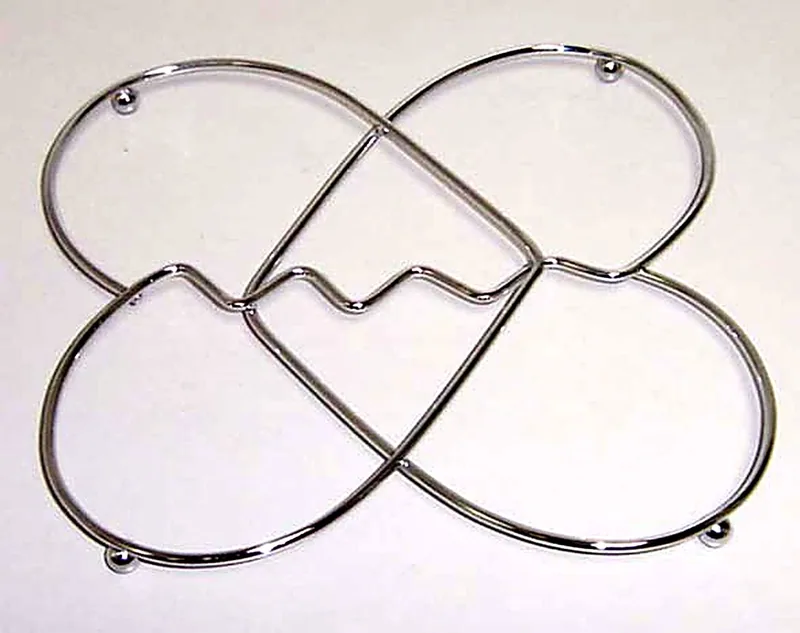
The nine trivets we describe here are Trivet - Chrome Flower (TVD-2374), Trivet - Chrome Straight Bars (TVD-2375), Trivet - Chrome Round (TVD-2376), Trivet - Chrome Infinity Loop (TVD-2377), Trivet - Chrome Cutlery Shapes (TVD-2378), Trivet - Black Slatted Square (TVD-2379), Trivet - Chrome Round Cross (TVD-2380), Trivet - Chrome Rings (TVD-2381) and Trivet - Chrome Heart (TVD-2382). The stands are TVD-2383, TVD-2384 and TVD-2385. The listed features differ only in design, so no shape faces a different Canadian rule from another. The difference comes from finish and use.
Rule 1: the product must not be a danger
The Canada Consumer Product Safety Act applies to consumer products. It prohibits products that are a danger to human health or safety, requires incident reporting and allows recalls, and Health Canada enforces it. For a wire trivet the practical hazards are sharp wire ends, weld spurs, unstable legs that tip a hot dish and finish that flakes. Handle every sample shape for sharp ends and stability.
Rule 2: anything that touches food must be safe for it
The Food and Drugs Act prohibits selling food in or with materials that may make it harmful. Health Canada does not pre-approve kitchenware, so the evidence comes from the factory and the importer, not from a government registration. Buyers commonly ask for food-contact test reports, such as FDA or EU food-contact migration tests, from the factory. For a trivet, contact with food is usually indirect: a pot or dish sits on it. A buyer who plans to set bread, cheese or pastry directly on the wire, or who sells the trivet as a cooling rack, should ask for food-contact test reports that cover the chrome finish. The same applies to the gold-toned stands if unwrapped baked goods may sit on them.
Health inspectors enforce provincial food premises rules that require equipment that is durable, easy to clean and kept sanitary. Many inspectors, landlords and franchisors ask for NSF/ANSI or an equivalent sanitation certification on commercial food equipment. We do not hold a certification mark for any product in this line at the time of writing. If your health unit or landlord asks for one, tell us before you order and we will confirm what is available and put it on the written quote.
Rule 3: lead and finish
The Consumer Products Containing Lead Regulations set lead limits that include kitchen utensils and products for young children. A chrome, black or gold-toned finish on a wire product is a coating, and a coating is where a lead question belongs. Ask for a lead test report for the finished product, not only for the raw wire. The Glazed Ceramics and Glassware Regulations cover limits on lead and cadmium that can leach from glazed ceramics and glassware that contact food, and they apply to the mugs and cups you display, not to the wire stand itself.
Document checklist for the whole line
| Document | Why you want it | Who issues it |
|---|---|---|
| Food-contact test report for the finished item | Shows the finish does not release harmful substances where food or drink may touch it | Factory laboratory or independent laboratory, requested through us |
| Lead test report for the coating | Answers the lead-limit question for kitchen products | Laboratory report from the factory, confirmed on the quote |
| Written material and finish description | Lets a retailer or inspector see what the wire is and how it is plated or painted | Confirmed on your written quote |
| Factory statement on heat use | Our listing says the trivets protect a table from hot dishes; the temperature range is not stated, so ask | Factory, confirmed on your written quote |
| Bilingual retail packaging proof | Prepackaged consumer products need English and French product identity and net quantity, plus the dealer name and place of business | You and us, agreed before print |
| Tariff classification and duty confirmation | Duty depends on classification and origin; GST/HST/PST/QST depend on the province of delivery | Our customs broker, before we quote the delivered cost |
Labelling, Quebec and bilingual packaging
If you sell the items prepackaged to consumers, the Consumer Packaging and Labelling Act calls for bilingual product identity and net quantity, plus the dealer name and place of business. Quebec adds the Charter of the French language: labels, instructions and warranty documents must be available in French, with French at least as prominent. Tell us the destination province when you request your quote. See our Canada home kitchen and tableware page for delivery coverage.
Import side: classification, duty and tax
Import duty depends on the tariff classification and the country of origin, and sales taxes depend on the province of delivery. Our customs broker confirms classification before we quote a delivered cost. Use the landed cost calculator to plan, and read the sales tax by province guide for the GST, HST, PST and QST that apply at your address.
Missing paperwork means a retail buyer declining the product, an inspector asking questions or a shipment held at the border, and all of it is avoidable when the questions are asked at quote stage. CE markings do not substitute for any Canadian requirement: Canada does not recognise the European CE mark as proof of compliance for consumer products. A general guide to Canadian marks sits in our CSA, cUL and cETL explainer, although none of those electrical marks are relevant to a plain wire trivet.
Which product pages to read next
Each trivet has its own buying guide: straight bars, infinity loop, cutlery shapes, black slatted square and round cross with ball feet. The gold-toned stands are covered in the cup and saucer stand guide, and the flower trivet guide compares several chrome shapes. A specific certification write-up exists for the gold cup and saucer stand. A free account shows the full specifications on each product page.
How we handle it
Send the shapes and quantities through the quote request. We confirm material, finish, test report availability, packaging language and certification status in writing before you order. Samples are available on most items, with the sample cost usually credited to the first order. Payment is 30% deposit and 70% before release, and the how ordering works page explains the steps. Rules change, so confirm current requirements with the authority, your inspector or your customs broker. This guide is general information, not legal advice.