Certification guide ·
Double Door Upright Fridge in Canada: What Certification and Paperwork to Check
A reach-in with glass or solid doors sits in the busiest part of the kitchen, so inspectors, landlords and franchisors all look at it. Here is what to ask for before TVD-10823 is shipped.
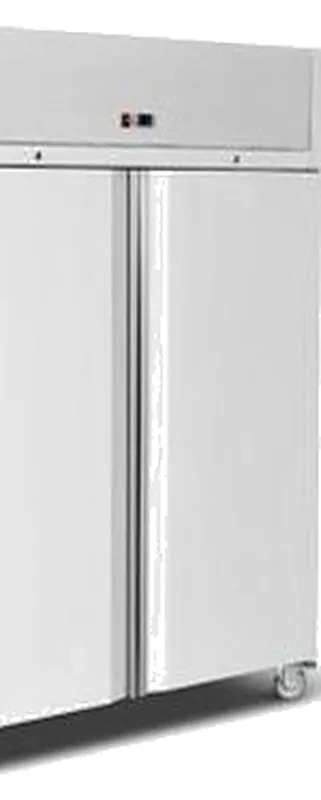
The Upright Fridge, Double Door (TVD-10823) is a one- or two-door reach-in for back-of-house storage, with a choice of glass or solid doors. It is a plugged-in compressor appliance that holds food, so three groups of rules meet on one cabinet: electrical safety, food-premises sanitation and, depending on the build, energy reporting. No certification mark is on file for TVD-10823 at the moment. This page explains what a Canadian buyer should expect to see, and the paperwork we collect before you commit.
Why a reach-in fridge gets inspected
A reach-in is one of the few pieces of kitchen equipment that runs all day and all night. It is wired into a circuit that an electrician or inspector may look at, it holds ready-to-eat food that a public health inspector cares about, and its doors take hundreds of openings a shift. Each of those facts maps to a different document.
- Electrical: electrical products sold or installed in Canada must carry a mark from a certification body accredited by the Standards Council of Canada (CSA, cUL and cETL are common examples), or a field evaluation label from an accredited body. Our explainer on CSA, cUL and cETL marks shows how to read them.
- Refrigeration standard: commercial refrigeration equipment must be certified to the CSA C22.2 standard for refrigeration equipment, which is the safety standard behind most Canadian marks on this type of cabinet.
- Sanitation: many health units, landlords and franchisors ask for NSF/ANSI 7 (refrigeration) or an equivalent sanitation certification on food-storage cabinets.
- Energy: commercial refrigerators can fall under Natural Resources Canada's Energy Efficiency Regulations. Whether a two-door reach-in does depends on its category, so ask us to check before the quote is final.
Marks that do not count
A US-only mark, meaning UL or ETL without the small "c", does not satisfy a Canadian inspector. A CE mark does not either: Canada does not recognise the European CE mark as proof of compliance. A factory certificate written for a 220 V, 50 Hz market also needs a second look, because Canadian supply is 120 V or 240 V single-phase, or 208 V or 600 V three-phase, all at 60 Hz. Compressors and fan motors can run hot or fail early when they are fed the wrong frequency, so the voltage and frequency on the rating plate must match the outlet in your kitchen.
Document checklist for TVD-10823
| Document | Why you need it | Who issues it |
|---|---|---|
| Electrical certification mark or field evaluation label | Inspector and insurer acceptance of the cabinet | Certification body accredited by the Standards Council of Canada |
| Rating plate photo with voltage, frequency and amperage | Confirms 60 Hz operation and the right circuit or plug | Factory, checked by us against the quote |
| Sanitation certificate (NSF/ANSI 7 or equivalent) if your health unit asks | Health-inspection approval for food storage | Sanitation certification body |
| Food-contact material statement for liners and shelves | Food and Drugs Act duty not to sell food in harmful materials | Factory, with test reports where available |
| Door glass and shelf description | Confirms what the glass doors and any glass shelves are made of | Factory |
| Energy category check | Tells you whether Energy Efficiency Regulations can apply | Our review, with the factory data |
| English and French manual and labels | Quebec buyers and retailers expect French documentation | Factory, translated where needed |
The glass question
TVD-10823 can be specified with glass or solid doors. A glass door pane is not a food-contact surface, so the federal rules on glazed ceramics and glassware, which deal with lead and cadmium that can leach into food, are mainly a question for any glass shelves or inserts. Ask the factory to say in writing what each glass part is. For the door itself the useful questions are practical: is the pane double glazed, what stops it fogging in a humid line, and can the seal be replaced on site?
Differences by province
- Quebec: the Charter of the French language expects labels, manuals and warranty papers to be available in French. Retail and restaurant buyers there will ask for them at delivery.
- Ontario, British Columbia, Alberta and the Atlantic provinces: each has its own electrical safety authority, and the Electrical Safety Authority is the Ontario example. Inspectors there can refuse equipment with no recognised Canadian mark.
- Health units: the rules for food premises are provincial and enforced locally, so a mark accepted by one health unit may still need a question to the next. Ask your inspector what they want to see at opening.
What happens when something is missing
If the mark is absent, the usual result is a refusal at the electrical inspection, which leaves a delivered cabinet sitting in the corridor while you arrange a field evaluation. Insurers may also question an uncertified appliance after a loss. A landlord or franchisor can refuse a unit at fit-out. These are costly delays on a unit that is meant to be the least exciting thing in the kitchen, so settle the paperwork before the deposit.
How we handle it
Every quote states certification status and lists the documents that ship with the unit. Where a recognised mark is not on the cabinet, we tell you so and discuss a field evaluation before you order, rather than after the container lands. Payment is 30% deposit and 70% before release, and the full flow is on the how ordering works page. For a delivered figure that includes duty and taxes, run the numbers in the landed cost calculator and see the sales tax by province guide.
See what else is in the line
If your kitchen also needs cooking equipment, compare the Gas Range with Oven (TVD-593) and read its certification guide, because gas equipment follows a different set of rules from a plug-in fridge. Browse the full commercial kitchen equipment line and the wholesale guide. Product pages show full specifications to signed-in buyers once you create a free account.
Rules change, and this page is general information, not legal advice. Confirm current requirements with your provincial authority, your health inspector or your customs broker before you order.