Product guide ·
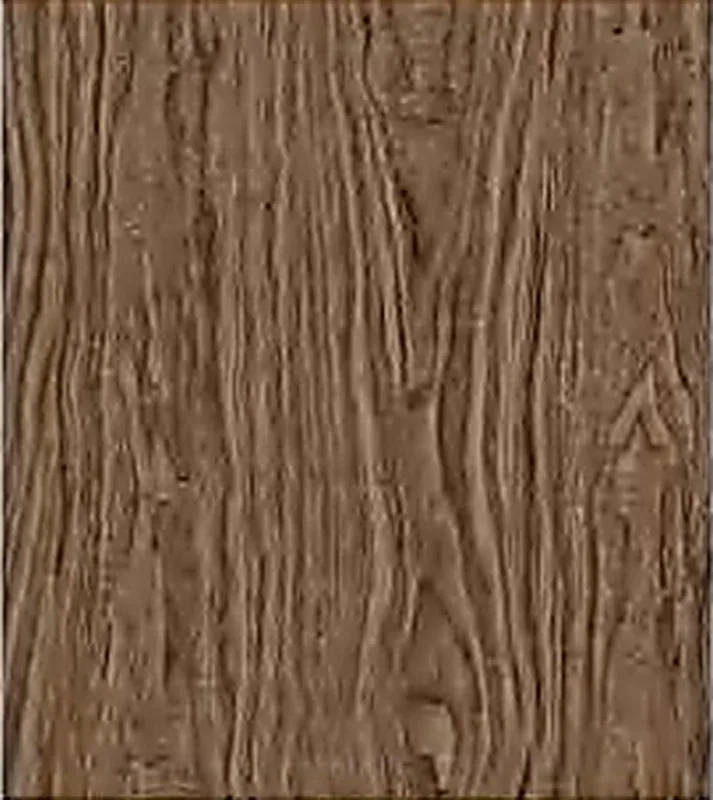
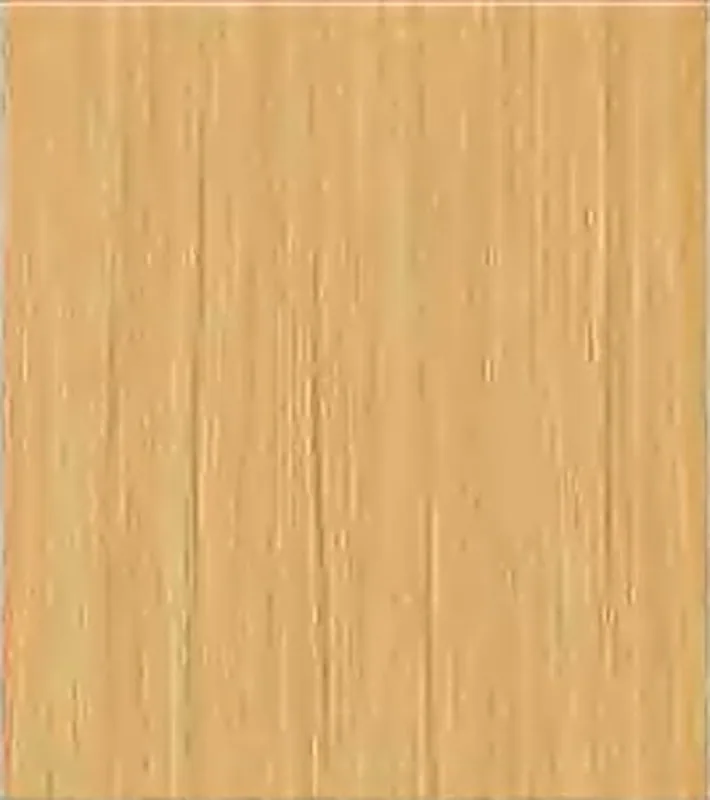
Wood-Grain Wall Stickers: Walnut (TVD-1408) or Light Oak (TVD-10206)
Two peel-and-stick wood-grain finishes, one dark and one light. Tone decides the mood of the room, so this guide starts there.
Timber on a wall changes a room more than most finishes, because wood carries associations of warmth, craft and age. Real timber cladding is expensive, heavy and slow. Wood-Grain Wall Sticker - Walnut (TVD-1408) and Wood-Grain Wall Sticker - Light Oak (TVD-10206) offer the effect on a peel-and-stick PET panel with easy dry installation on flat walls, and a wide choice of patterns and colours, as our listing puts it. The two share a construction. The difference is the tone, and that is the real decision.
Dark or light: what each does to a room
Walnut is deep and rich. A dark timber tone adds weight and a sense of enclosure, which is welcome in a lounge, a bar, a boardroom or a restaurant booth, and less so in a small room with no daylight. It makes a good backdrop for brass, leather and warm lamps.
Light oak is airy and Scandinavian in feel. It brightens small rooms, suits clinics, studios, nurseries (decoration only, not furniture) and apartments, and it sits comfortably with white and soft grey. In a large space it can look washed out if there is nothing darker nearby.
| Question | Walnut TVD-1408 | Light Oak TVD-10206 |
|---|---|---|
| Effect on room size | Visually smaller, cosier | Visually larger, lighter |
| Best lighting | Warm, directional | Daylight and neutral light |
| Marks and dust | Shows pale dust | Shows dark scuffs |
| Typical spaces | Bars, lounges, offices with a traditional feel | Clinics, studios, retail, small apartments |
The table describes tendencies of dark and light finishes in general. The exact tones, the grain scale and the gloss of each film are confirmed on the written quote and on a sample.
Reading the grain
A printed grain repeats. On a short wall the repeat is invisible; on a long wall, two identical knots in the same position look odd. Ask how long the repeat is, and plan joins so the repeat falls where furniture will hide it. Ask, too, whether the grain direction can run vertically or horizontally without looking wrong. Vertical grain lifts a ceiling, and horizontal grain widens a wall.
Mixing the two
An easy design move is to use walnut on one feature wall and light oak on the rest of the room, or the reverse. Because the construction is shared, a single crew and a single adhesive handle both, and one order covers both. A retail chain might use walnut in flagship stores and oak in smaller ones, keeping the same fixing method throughout.
Specification checklist
- Roll or sheet size, film thickness and tolerance.
- Tone and gloss for each finish, matched to an approved sample.
- Grain repeat length and direction.
- Adhesive type, the surfaces it suits, and its behaviour near heat and moisture.
- A sample test on your own wall, left in place for a few weeks.
- Construction statement: PET film only, or bonded to any board.
- Fire test reports for the exact product, with the substrate named.
- Carton coverage and packing method.
Neighbours in the line
For stone effects there are PET Wall Sticker - Glossy Marble (TVD-1406) and PET Wall Sticker - Soft Porcelain (TVD-1409). For a tactile note, PET Wall Sticker - Leather (TVD-1411) is available, and PET Wall Sticker - Silent Grille (TVD-1410) gives a grille look. The six-finish buying guide compares them side by side.
Using wood-grain film in Canada
Canadian winters bring dry indoor air, and thin films can shift at the edges, so ask for the maker's finishing advice. Many wood-look jobs happen in basements, where walls can be cool and slightly damp; check the wall and the adhesive's tolerance for moisture before you commit to a whole room. A wall that is cold to the touch in January needs special attention at installation. Rolls should be allowed to reach room temperature, and application should happen within the temperature range the maker states.
No Canadian certification mark is on file for either product and we do not claim one. In commercial buildings the National Building Code limits the flame-spread rating of interior finishes, tested to CAN/ULC-S102, depending on the use and the location of the wall. If the version you order is attached to a wood-based board such as MDF or particleboard, Canada's formaldehyde emission rules for composite wood products apply, and we ask for the certificate. We confirm status and supply documents with the quote before you order. Rules change, so confirm with your building official. A deeper look is in the walnut compliance article, the light oak compliance article and the line-wide guide.
How to order
Fill in the quote request with the areas for each tone. We reply in writing with the price for the quantity, specification, certification status, packing, lead time and delivered cost. Trial quantities are low on many lines and samples go out on most items, normally credited to your first order. The 30% and 70% payments are explained on how ordering works, and the line page shows the full sticker range.