Certification guide ·
Bath and Floor Mats in Canada: Textile Labelling, Import Duties and French Requirements
Mats carry no electrical mark and no stamp, but they still need the right label. A buyer's guide to the rules behind sixteen chenille and tufted mats.
If you look for a compliance stamp on a bath mat, you will not find one, and that makes people relax too soon. The rules that apply to a mat are about what it says on the label, how it is packaged, where it is imported from and what language it speaks. Our bath and floor mat line has sixteen products, from fine-pile chenille to long-tuft shaggy mats. We hold no certificate or test report on file for any of them, and this guide tells you what a Canadian buyer should check.
Which products are covered
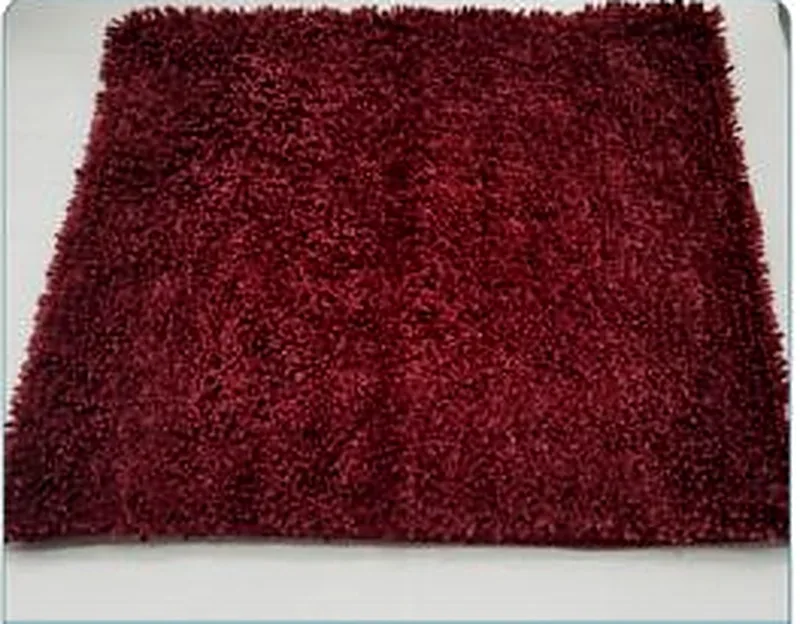
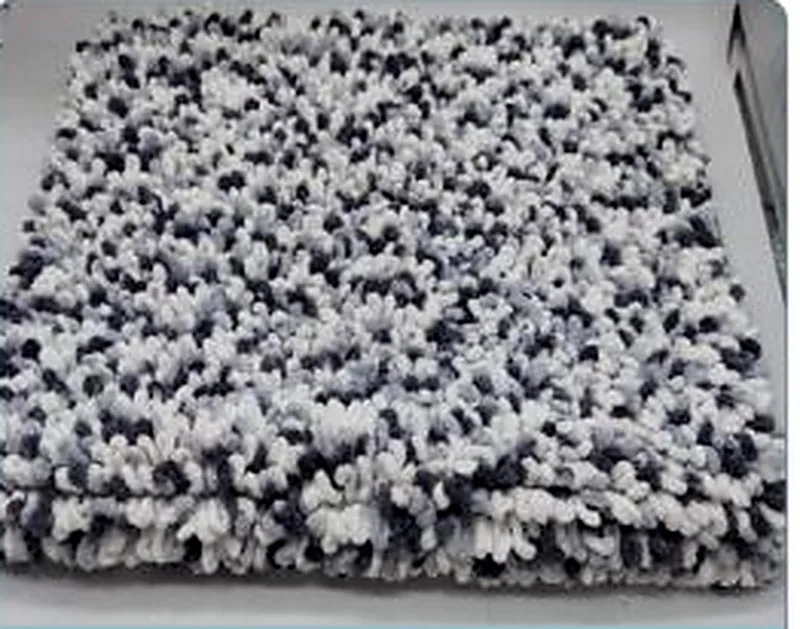
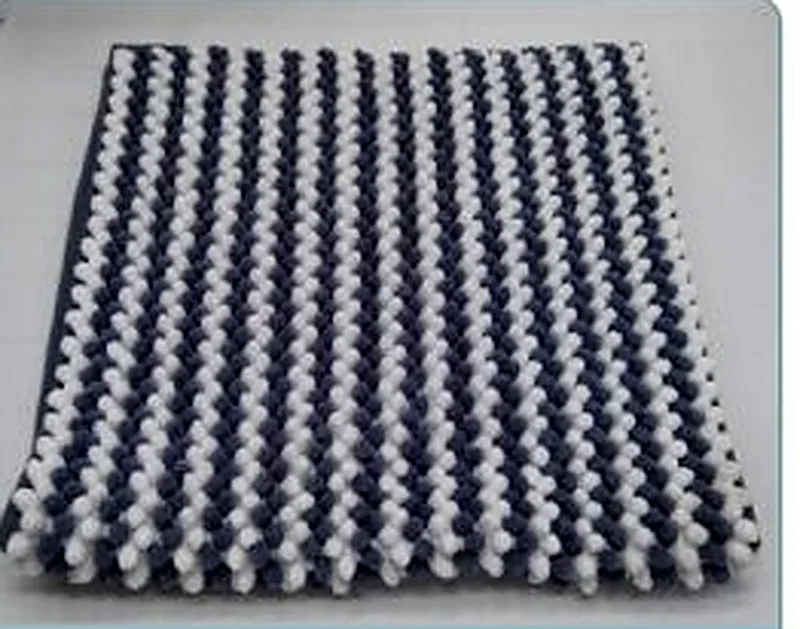
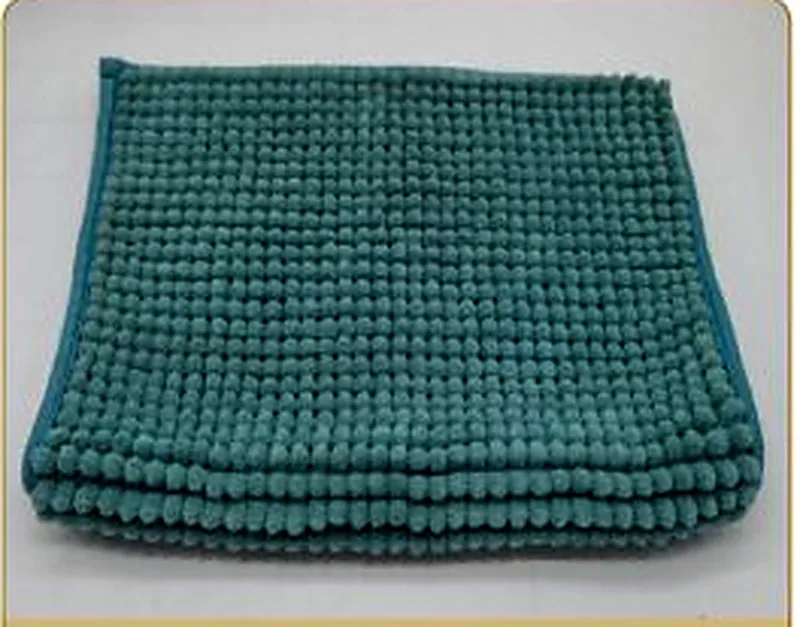
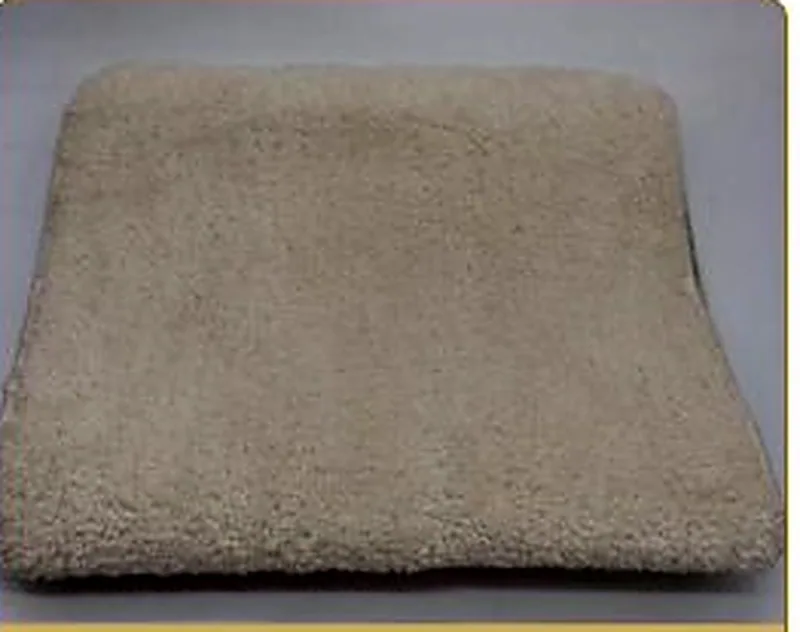
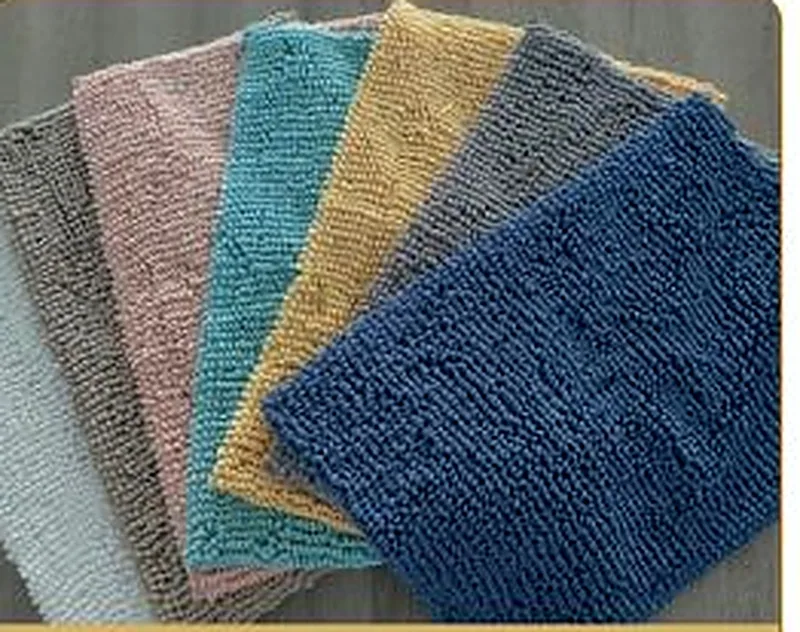
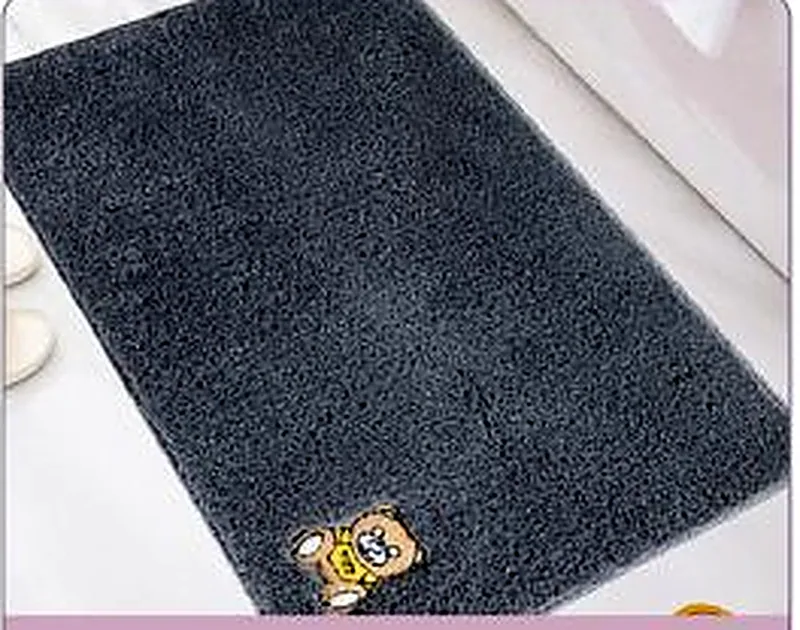
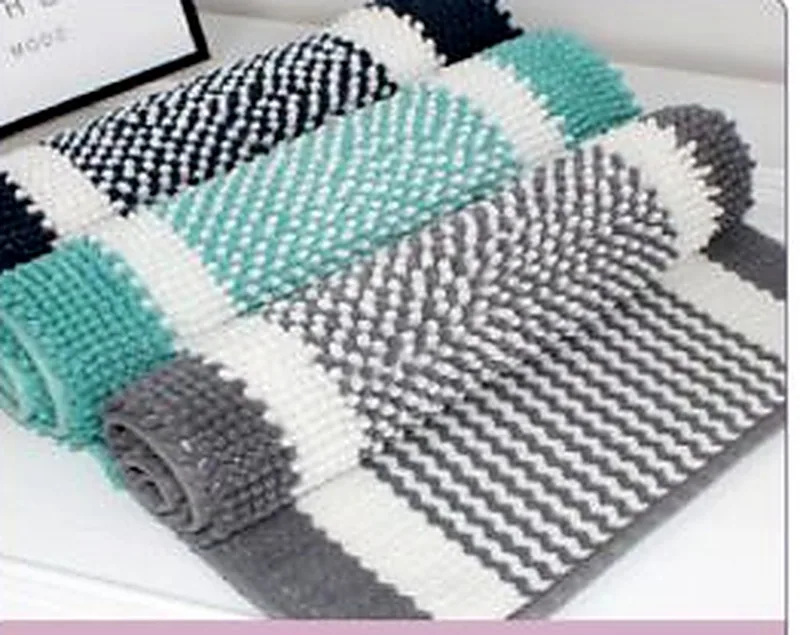
The line includes Fine-Pile Chenille Mat (TVD-5341), Multicolour Chenille Mat (TVD-5342), Dual-Colour Striped Chenille Mat (TVD-5343), Chenille Pebble Floor Mat (TVD-5344), Tufted Velvet Floor Mat (TVD-5345) and Long-Tuft Floor Mat (TVD-5347), along with TVD-5346, TVD-5348 and TVD-5349 to TVD-5356. They are chenille, tufted velvet, long-tuft, short-tuft and shaggy designs in plain, striped, two-colour, wave and gradient patterns.
Rule 1: Textile Labelling Act
The Textile Labelling Act applies to consumer textile articles, which include bedding, pillows, cushions, throws and mats. It requires fibre-content labelling and dealer identity. For a chenille or tufted mat, that means the label must state what the pile and the base are made of, in the form the law requires, and who the dealer is. Our listing does not give the fibre content of any mat, so we ask the factory for it in writing for each product before we quote. A mat shipped without a correct label is a mat you may have to relabel by hand before you can sell it.
Rule 2: Consumer Packaging and Labelling Act
Prepackaged consumer products need a bilingual product identity and net quantity, and the dealer's name and place of business. A mat sold in a retail pack falls under this, and the language requirement catches many importers. If you plan a retail line, agree the label design with us at the quote stage, so the factory prints it correctly the first time.
Rule 3: Quebec French
Under Quebec's Charter of the French language, product labels, instructions, manuals and warranty documents must be available in French, with French at least as prominent as any other language. Retailers in Quebec will ask, and hotel chains sometimes do the same for care labels. Tell us if any share of the order goes to Quebec.
Rule 4: general product safety
The Canada Consumer Product Safety Act applies to consumer products. It prohibits products that are a danger to human health or safety, requires incident reporting and allows recalls, with Health Canada enforcing it. For mats, the practical points are slipping and trip hazards, and the sensible response is to ask about the backing and its grip on the kinds of floors the mat will meet. This is a buyer's due diligence, not a certification requirement.
Rule 5: duty and tax
Import duty depends on the tariff classification and the country of origin. GST, HST, PST or QST then apply according to the province of delivery. Our customs broker confirms classification before we quote a delivered cost. The sales tax guide compares the provinces, and the landed cost calculator models the total.
Who asks for what
Different buyers meet these rules at different moments. A retail chain's compliance team asks for the label artwork before it will accept a purchase order, and rejects the first draft more often than not. A hotel group's procurement team asks about laundering and slip, and rarely about labels, until a guest complains. An online seller is judged by marketplace listing rules and by customer reviews of the feel and the backing. If you sit in one of these groups, tell us which, and we will lead the quote with the documents your reader needs first. A wholesaler who resells to all three should ask for the full set at the start.
What differs between mats
| Group | Products | Extra point to settle |
|---|---|---|
| Chenille, plain and patterned | TVD-5341 to TVD-5344, TVD-5346, TVD-5348 to TVD-5352, TVD-5355, TVD-5356 | Fibre content of pile and base, dye fastness, wash instructions |
| Tufted velvet | TVD-5345 | Fibre content, shedding of the dense pile |
| Long and short tuft, shaggy | TVD-5347, TVD-5353, TVD-5354 | Pile retention, backing grip, trip risk on long pile |
| Embroidered motif | TVD-5347 | Thread content, and whether the embroidery is part of the label |
Documents to request
| Document | Why you need it | Who issues it |
|---|---|---|
| Fibre content statement | Needed for the Textile Labelling Act label | Manufacturer |
| Label and packaging artwork | Bilingual identity, net quantity, dealer name | Manufacturer, with us |
| French-language care and warranty text | Quebec requirements | Manufacturer, translated |
| Backing and wash information | Slip, shrinkage, hotel laundry | Manufacturer |
| Tariff classification | Fixes duty and taxes | Our customs broker |
If something is missing
A store can refuse mats with incorrect labels, and goods sold with the wrong fibre content on the label expose the dealer to complaints. A recall is a remote possibility for a mat, though a slip injury is a real concern for hotels. These are outcomes to avoid by asking early.
How we handle it
When you send a quote request, tell us your market (hotel, retail, online) and the provinces you sell into. We confirm the fibre content, the labelling plan and the documents that exist, and we attach them to the written quote before you pay. If something does not exist, we say so. Orders then follow how ordering works: 30% deposit, 70% before release. This is general information, not legal advice. Rules change, so confirm with your customs broker or the authority. For buying guides, see the fine-pile and banded chenille guide, the patterned chenille guide and the line page.