Certification guide ·
Resilient and Click Flooring in Canada: Rules That Apply Before the Pallets Ship
Eleven floors, one range: wood-look planks, stone-look tiles, herringbone, SPC and a melamine plank. Here is what each family has to answer for in Canada.
Resilient and click flooring is the part of the flooring chapter where a lot of look-alikes share a few real differences. Our resilient and click flooring line includes wood-look click planks, oak-look planks in several tones, a herringbone click floor, stone-look and patterned tiles, an SPC click plank, a melamine resilient plank and the trims that finish them. None has a certificate on file today. This guide does not claim that any of them is certified or compliant; it tells you what to ask for.
The range in four families
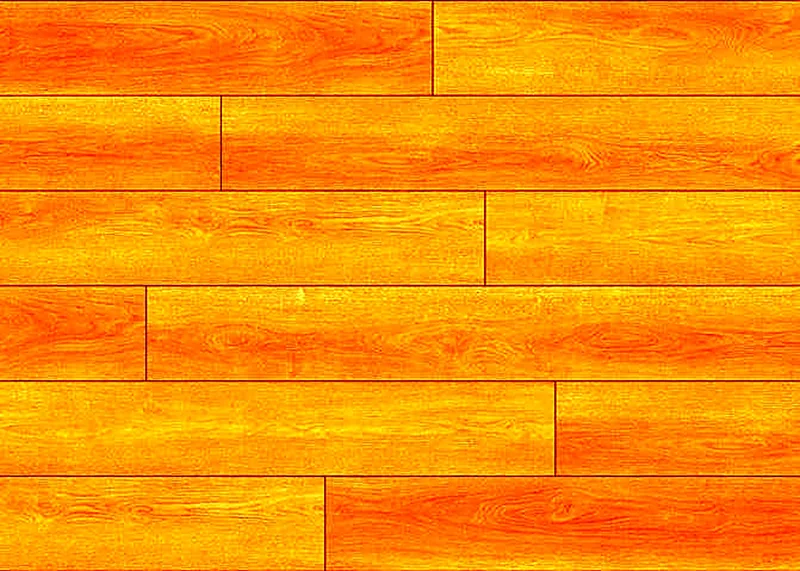
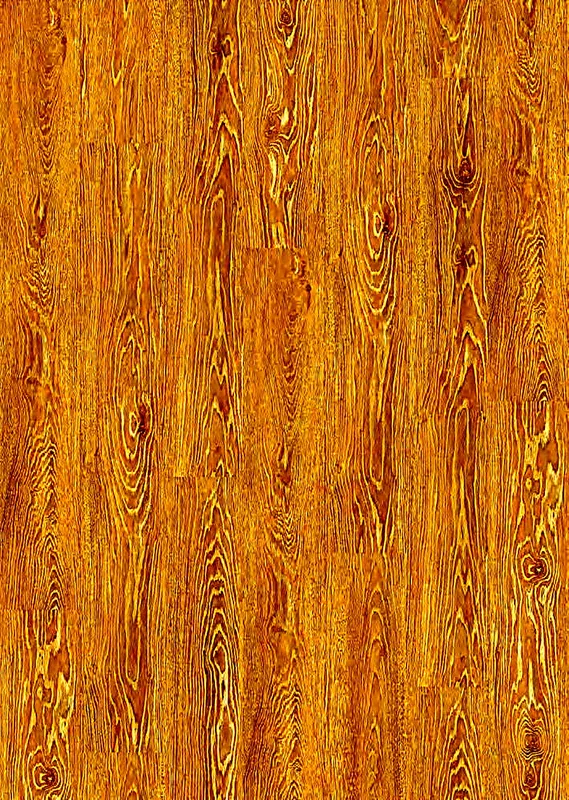
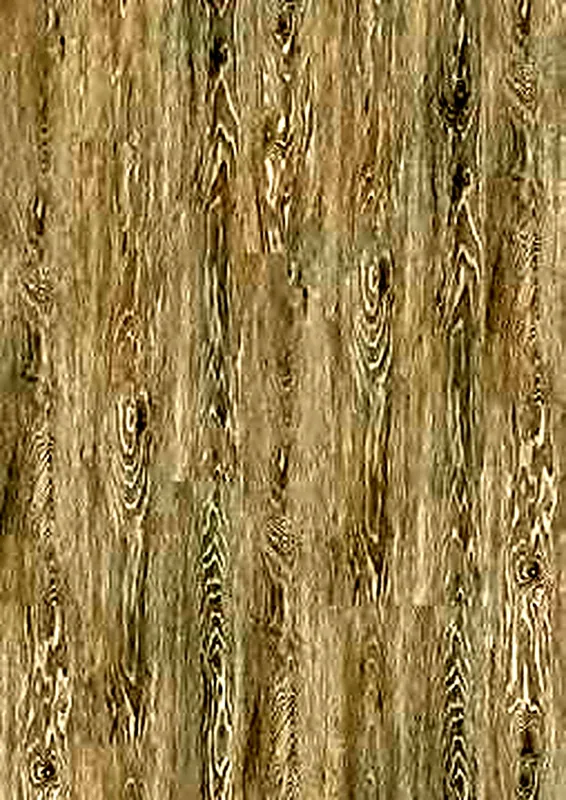
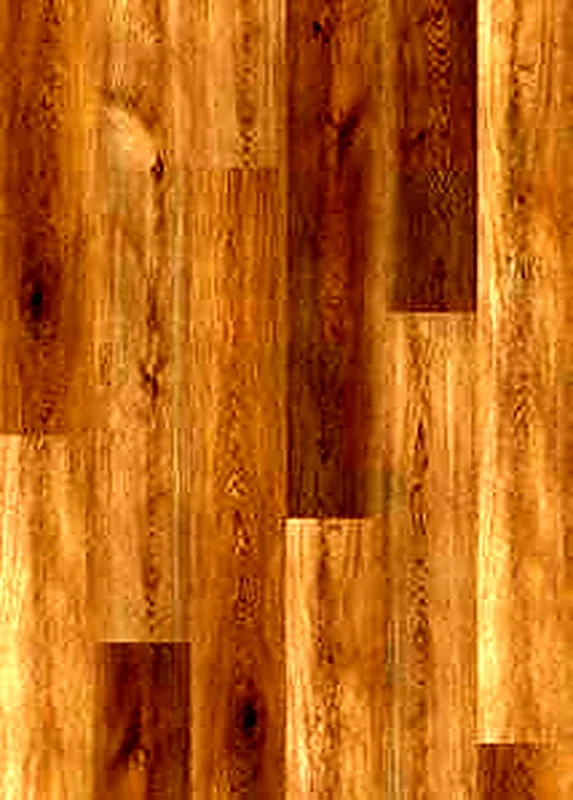
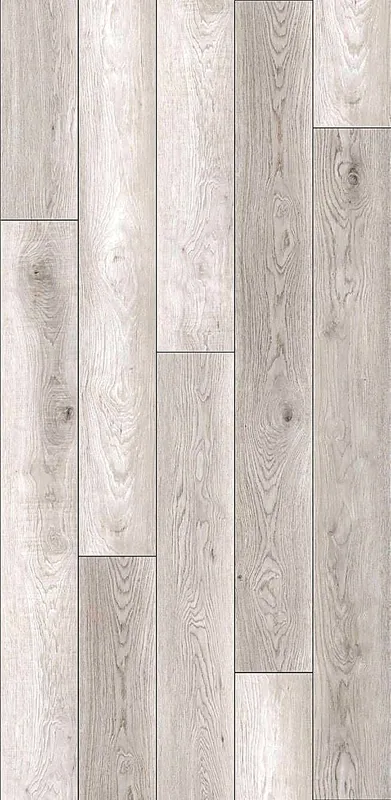
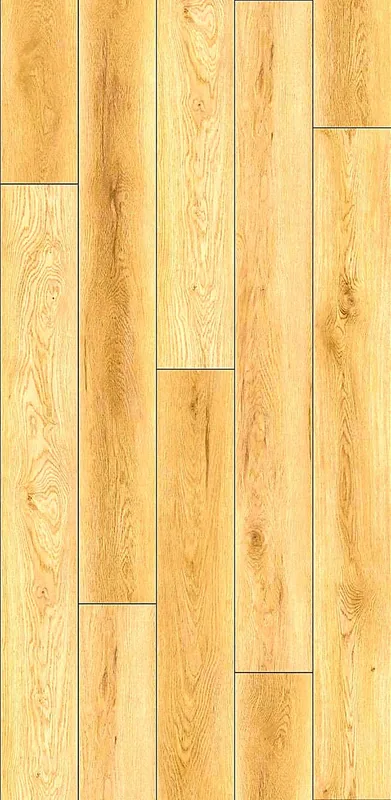
- Oak-look planks: TVD-1443, TVD-1444 and TVD-1445 in light, grey and warm brown, plus the wide TVD-1446, TVD-1447 and TVD-1448 in click-lock formats.
- Tile looks: Stone-Look Tile Flooring (TVD-1450) and Patterned & Terrazzo Tile Flooring (TVD-1451).
- Rigid-core click: SPC Click Vinyl Plank Flooring (TVD-1455), with a stone plastic composite rigid core.
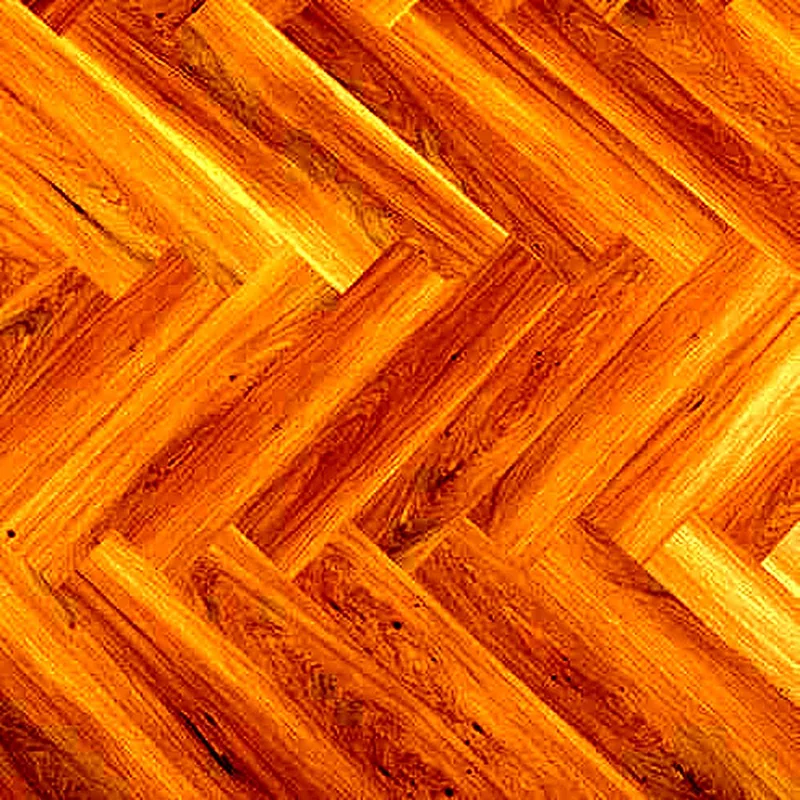
- Other click formats: TVD-1442, a 9 in x 60 in click plank, and TVD-1449, a herringbone click floor in two sizes.
- Melamine surface: Melamine Resilient Plank Flooring (TVD-1441), with a rigid core and cork or foam backing.
Rule 1: flame spread for floor coverings
The National Building Code of Canada, adopted with changes by each province, limits flame spread on interior finishes. Floor coverings are tested to CAN/ULC-S102.2, with limits that depend on the building use and location; exits and corridors are strictest. An ASTM E84 report is the US test, and Canadian designers usually ask for a CAN/ULC result, though officials may review E84 case by case. A single-family home seldom raises the issue; a multi-unit corridor, a school or a shop might. Ask for the report early, because a laboratory test takes time.
Rule 2: composite wood and formaldehyde
Rigid cores are not all alike. Canada's formaldehyde emission rules apply to composite wood products, and some rigid-core floors contain composite wood or adhesives. The melamine plank is the likeliest to include a wood-based layer; for the SPC and click planks we ask the factory what the core and backing are made of before we state anything. Where composite wood is present, request a TSCA Title VI or Canadian compliance certificate.
Rule 3: slip, wear and underlay
Federal law does not set a slip rating for flooring, but commercial tenders often do. Request a slip test report for tile looks used in entries or kitchens. The line's buying advice is to compare total thickness, wear layer and click profile across colours, confirm whether underlay is attached, and order each colour from one production lot per project. Attached underlay changes sound transmission, which condominium boards sometimes regulate through their own rules, not through federal ones.
Rule 4: labels, safety and language
The Canada Consumer Product Safety Act's general prohibition covers consumer products. Prepackaged consumer goods need bilingual product identity and net quantity under the Consumer Packaging and Labelling Act. In Quebec, the Charter of the French language expects French on labels, instructions and warranty papers.
Document table
| Document | Applies to | Why | Who issues it |
|---|---|---|---|
| Flame-spread report, CAN/ULC-S102.2 (or E84 for review) | All floors in commercial or multi-unit use | Building code | Accredited test laboratory |
| Core and backing description | Every plank and tile | Decides if composite wood rules apply | Factory |
| Formaldehyde certificate | Any floor with composite wood | Emission regulations | Approved third-party certifier |
| Slip test report | Tile looks and wet or commercial areas | Tender specifications | Test laboratory |
| Bilingual carton labels, French instructions | All floors | Labelling and Quebec rules | Factory artwork approved by you |
| Over-heat suitability statement | Floors laid over heating | Warranty and safety | Factory |
Differences inside the range
The oak-look planks list a textured surface that is aligned with the printed grain, which is a feature, not a rule. The tile looks list sizes in inches, 12 in x 24 in for TVD-1450. The herringbone floor lists sizes in millimetres and six colours, which means lot control matters across six shades. The melamine plank is the one with a distinct backing, so it has the longest question list. The trims, TVD-1456, are made for SPC floors and carry their own labelling questions; see the TVD-1441 certification guide for a worked example of how we treat a layered product.
Provincial differences
Building codes are adopted with changes by each province, and Quebec, Ontario, British Columbia and Alberta have their own. Quebec buyers should expect French on documents. Coastal and Atlantic buyers face damp air that favours rigid cores; Prairie and central Canadian buyers face dry, heated winters. All of them should let cartons acclimatize and leave expansion gaps.
What happens if something is missing
A building official may refuse a floor without a flame-spread report. A retailer may refuse non-bilingual cartons. A formaldehyde certificate that does not exist where one is required can stop a sale. A floor laid over heat without the maker's approval can void its warranty.
How we handle it
Every quote is written and states certification status, the documents to follow, packing, lead time and delivered cost. We use a customs broker to confirm tariff classification before quoting delivered cost, and sales tax follows the province of delivery. Payment is 30% deposit and 70% before release. Examples of quotes for single products are in the oak-look plank guide, the stone-look tile guide and the SPC click plank guide. Send a quote request to begin. Rules change, so confirm with your inspector or customs broker. This is not legal advice.