Certification guide ·
Peel and Stick Vinyl Flooring in Canada: Compliance for a Product That Looks Too Simple to Need It
Self-adhesive vinyl is simple to lay. The paperwork is the part that is not, and it differs between a retailer's carton and a landlord's project.
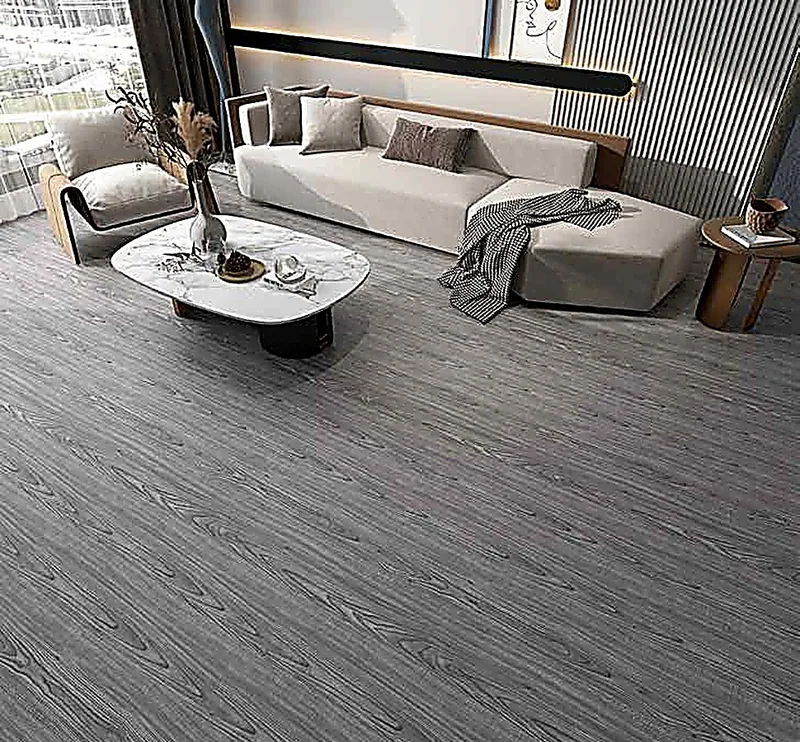
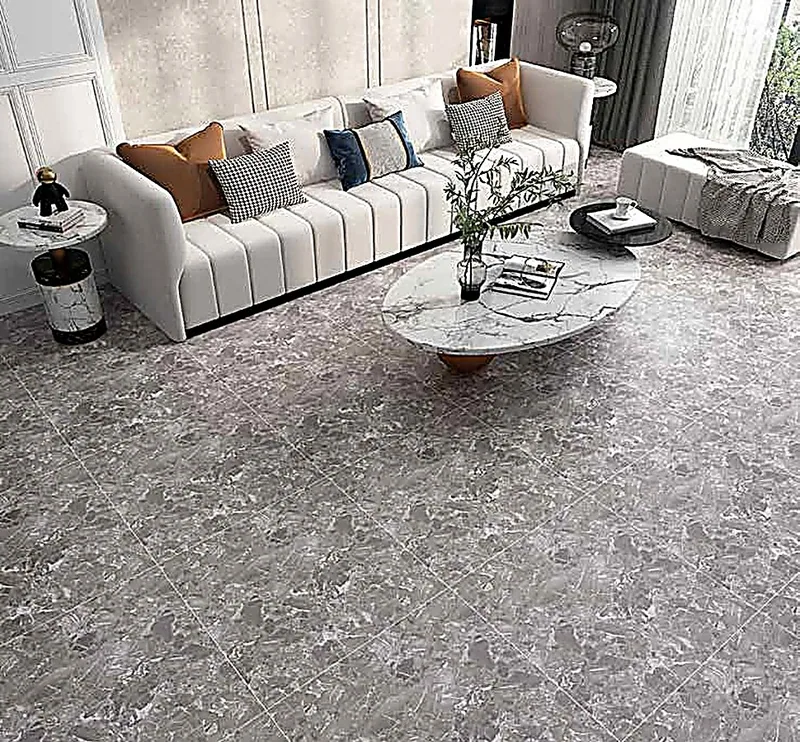
A peel-and-stick floor has no click profile, no underlay and no tools, which tempts buyers to treat it as a consumer sundry. Canadian rules do not. Our self-adhesive vinyl flooring line includes seven plank and tile designs, Grey Wood (TVD-1535) through White Marble (TVD-1541), a carpet-look design (TVD-1542) and a 24-piece retail pack, Floor Sticker Pack (TVD-1543). No product in the line has a certificate on file, so this guide makes no claim that any of them is certified or compliant. It lists the questions to ask.
Where the range stands
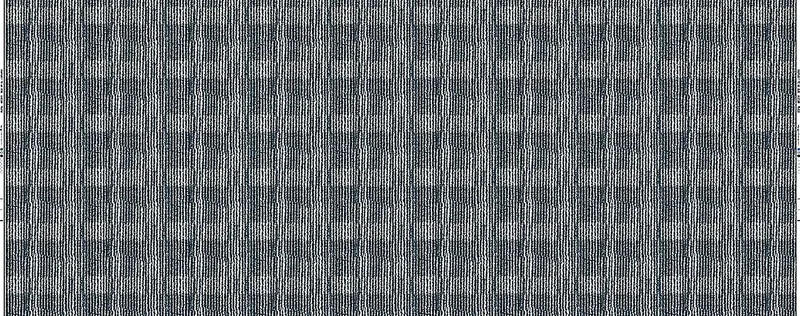
The seven main designs list peel-and-stick vinyl, PVC LVT, scratch and skid resistant, waterproof. TVD-1542 lists woven carpet-look patterns in blue, grey and brown colourways. TVD-1543 lists a PVC self-adhesive floor sticker, 24 pieces per pack, in retail-ready packaging. The words scratch resistant, skid resistant and waterproof are listing descriptions, and the listing does not include test results. Where a buyer relies on one, we ask the factory for the report.
Rule 1: flame spread for floor coverings
The National Building Code of Canada, adopted with changes by each province, limits the flame-spread rating of interior floor coverings, tested to CAN/ULC-S102.2. Limits depend on the building use and location: exits and corridors are the strictest. A rental bedroom seldom raises the issue; a commercial corridor or multi-unit hallway may. An ASTM E84 report is the US test, which Canadian officials may review case by case. Landlords refitting commercial space should ask for the report before laying.
Rule 2: adhesives, emissions and the occupied building
The adhesive layer is a chemical component of the floor. Federal rules do not set a simple number for it that we can cite here, so we ask the factory what the adhesive is, for the safety data sheet and for any emission test results, and we give you what exists. A floor laid in an occupied apartment or a shop is a floor that people smell and breathe near, so a landlord or a store owner has a practical reason to ask.
Rule 3: waterproof, skid resistant and scratch resistant
No federal regulation certifies a floor as waterproof or skid resistant. A buyer who writes these words in a tender or on a package becomes responsible for them. We recommend asking for the test method behind each claim and keeping the report on file. Seams and edges are where a waterproof vinyl floor usually leaks, so ask what the claim covers.
Rule 4: general product safety, packaging and language
The Canada Consumer Product Safety Act's general prohibition covers consumer products, and floor stickers sold at retail are one. Prepackaged consumer products need bilingual product identity and net quantity, plus the dealer's name and place of business, under the Consumer Packaging and Labelling Act. In Quebec, the Charter of the French language expects French on labels, instructions and warranty papers. The retail pack, TVD-1543, is exactly the kind of product that goes onto a shelf, so its carton and its inner packaging both need checking.
Rule 5: installation conditions
The line's advice is that these products need a smooth, clean, dry subfloor to bond well. That is a warranty condition as much as a technical one. Cold rooms, damp slabs and dust cause most failures. Ask the factory for the minimum installation temperature and the subfloor requirements in writing, and give them to your customer.
Document checklist
| Document | Why you need it | Who issues it |
|---|---|---|
| Flame-spread report, CAN/ULC-S102.2 (or E84 for review) | Building officials check floor coverings | Accredited test laboratory |
| Adhesive description and safety data sheet | Occupant and installer safety; tenders | Factory |
| Test reports behind waterproof, skid and scratch claims | Supports any statement you repeat | Test laboratory, via the factory |
| Installation instructions in English and French | Warranty; Quebec language rules | Factory |
| Bilingual carton and pack labels, with barcodes where needed | Packaging and labelling rules; retail listing | Factory artwork approved by you |
| Piece size, thickness and wear layer data | Comparing designs fairly | Factory |
How the products differ in compliance terms
The seven main designs are alike apart from colour and pattern, so one document set should serve all seven, though each design needs its own lot data. TVD-1542 is a printed carpet look, so it raises a question that the others do not: if any component is a fabric, textile labelling may enter the picture, whereas a pure vinyl product follows the vinyl route. We ask the factory to state the construction in writing. TVD-1543 is a packaging product, and its retail pack matters as much as the vinyl.
Provincial differences
Building codes differ by province, and Quebec, Ontario, British Columbia and Alberta have their own. Quebec buyers should expect French on documents and packaging. Damp Atlantic and coastal basements and dry Prairie winters affect adhesives in opposite ways, and the factory's instructions should cover both.
What happens if something is missing
An inspector can refuse a floor without a flame-spread report where one is required. A retailer can decline a pack with a non-bilingual label. A landlord can face a dispute with a tenant over a floor that peels. An unsupported waterproof claim can come back on the seller.
How we handle it
Every quote is written and states certification status, the documents to follow, packing, lead time and delivered cost. Our customs broker confirms tariff classification before we quote delivered cost, and sales tax follows the province of delivery; see the sales tax guide. Payment is 30% deposit and 70% before release. For product detail, see the wood and stone sticker collection guide, the carpet-look guide and the 24-piece pack guide, plus the TVD-1542 certification guide. Start with a quote request. Rules change, so confirm with your inspector or customs broker. This is not legal advice.