Certification guide ·
SPC Stone-Plastic Wall Boards in Canada: What the Building Code Asks For
Wall boards are building finishes, and building finishes are inspected. This guide covers the three families in our line and the paperwork behind them.
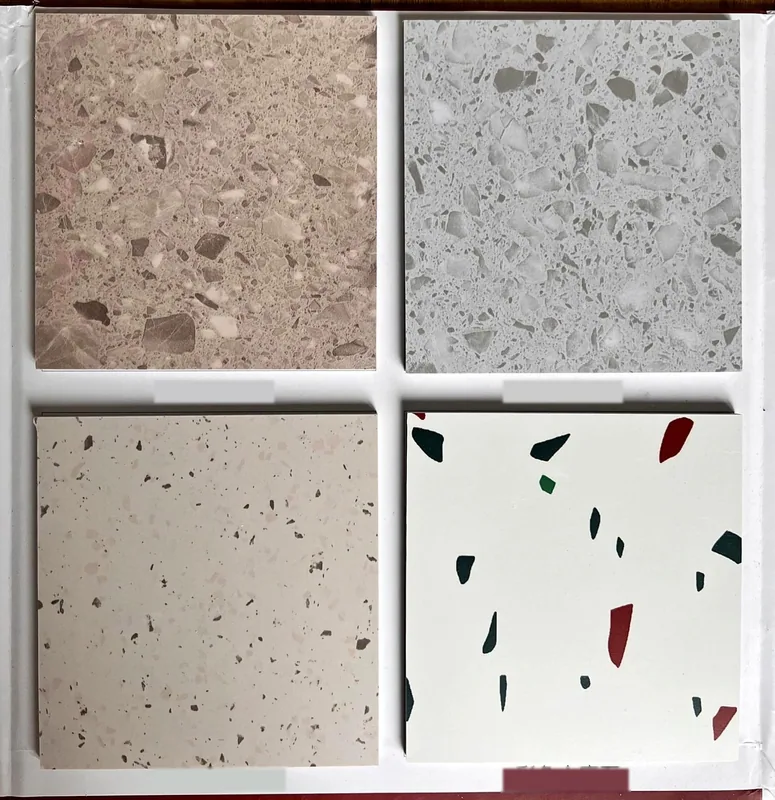
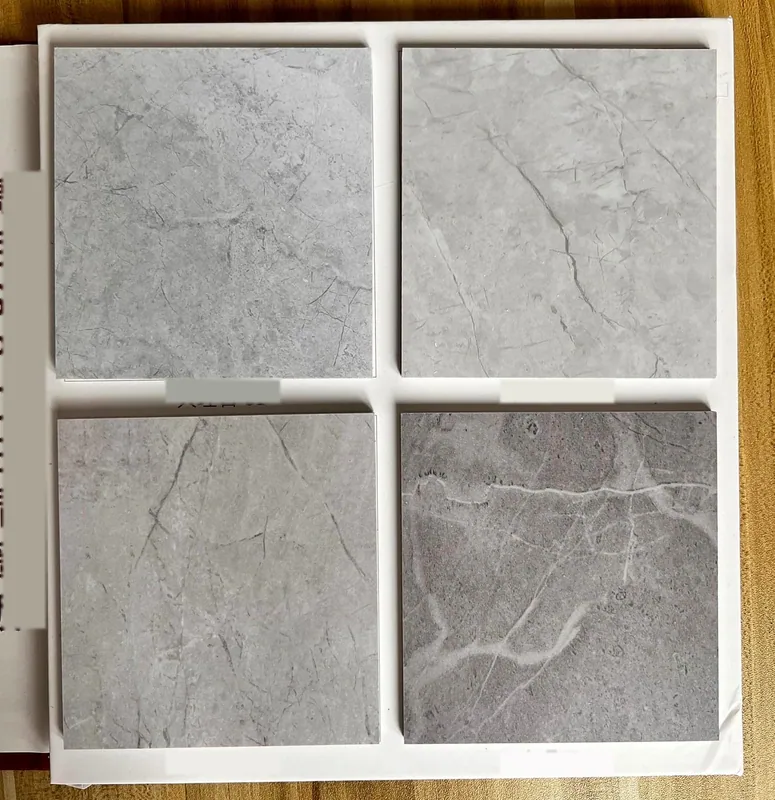
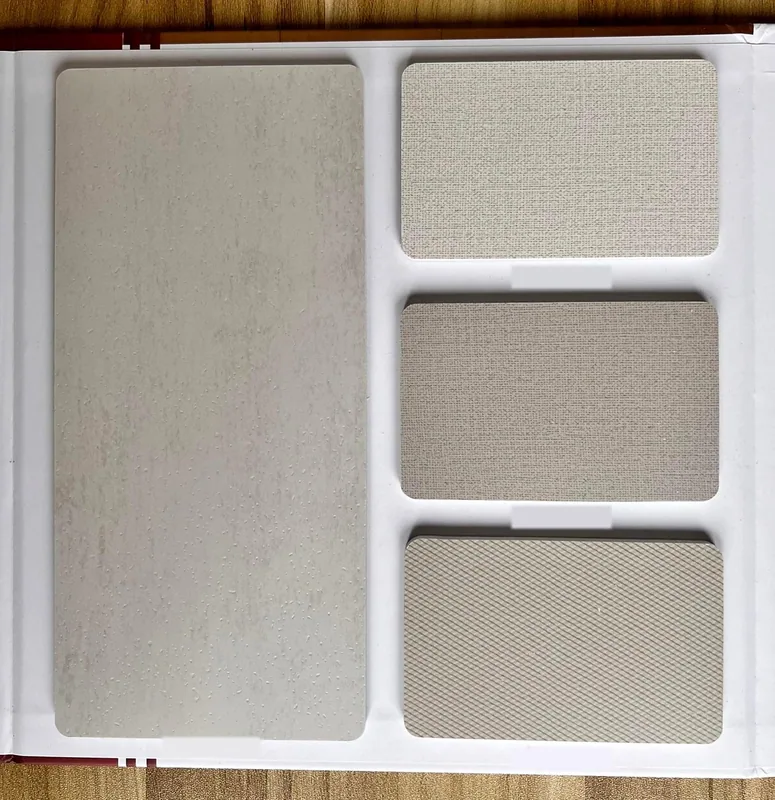
A wall board is judged by the building code before it is judged by a customer. Our SPC stone-plastic wall board line has three products: SPC Wall Board: Terrazzo, Wood & Solid (TVD-1414), SPC Wall Board: Marble Looks (TVD-1415) and SPC Wall Board: Concrete & Stone (TVD-1416). Each lists a stone-plastic wall board with four finishes on its sample board, for interior wall and decor use. None has a certificate on file today, so this guide makes no claim that any is certified or compliant. It is a map of what to ask for. The collection guide covers the looks.
Rule 1: flame spread on interior wall finishes
The National Building Code of Canada is adopted with changes by each province; Quebec, Ontario, British Columbia and Alberta have their own codes. It limits the flame-spread rating of interior wall and ceiling finishes, tested to CAN/ULC-S102. The limit depends on the building use and where the finish is: exits and corridors are the strictest, and a private room is the easiest. A wall board in a condominium lobby or a restaurant corridor is much more likely to be checked than one behind a retail counter. An ASTM E84 report is the US test; Canadian designers usually want a CAN/ULC-S102 result, and some officials will review an E84 report case by case. Ask your designer or building official which they accept before you order.
Rule 2: non-combustible construction
Requirements for non-combustible construction refer to a different standard, CAN/ULC-S114. We do not say any of these boards is non-combustible, and you should not describe them that way to a customer or in a tender. If a project needs non-combustible surfaces, an SPC board is a question for the designer, not an assumption.
Rule 3: core material and formaldehyde
SPC means stone plastic composite. Some SPC and rigid-core products contain composite wood or adhesives, and Canada's formaldehyde emission regulations apply to composite wood products. The listing does not describe the core in detail, so we ask the factory for the material composition of each board and tell you in writing. If composite wood is present, request a TSCA Title VI or Canadian compliance certificate.
Rule 4: fixing, adhesives and substrates
How a board is fixed decides much of its performance. Ask whether it is bonded with adhesive, held by clips or finished with trims, and what the adhesive or clip system is. A fixing method that the factory has not tested on your substrate is a risk. The adhesive has its own safety data, and for an interior fit-out in an occupied building it may matter to occupants.
Rule 5: labels, safety and language
The Canada Consumer Product Safety Act's general prohibition covers consumer products. Prepackaged consumer goods need bilingual product identity and net quantity, with the dealer's name and place of business, under the Consumer Packaging and Labelling Act. In Quebec, the Charter of the French language expects French on labels, instructions and warranty papers.
Document checklist
| Document | Why you need it | Who issues it |
|---|---|---|
| Flame-spread report, CAN/ULC-S102 (or E84 for review) | Building officials check wall and ceiling finishes | Accredited test laboratory |
| Core and adhesive description | Decides whether composite wood rules apply | Factory; confirmed on our quote |
| Formaldehyde certificate, if composite wood is present | Composite wood emission regulations | Approved third-party certifier |
| Fixing instructions, trims and profile drawings | Installation, warranty, junction details | Factory |
| Instructions and warranty in English and French | Quebec language rules | Factory |
| Bilingual carton labels | Consumer Packaging and Labelling Act | Factory artwork approved by you |
How the three boards differ
In regulatory terms they are alike: all three are interior wall boards with the same material class. The differences are in use. TVD-1414's mix of terrazzo, wood and solid looks may be specified across several rooms of one project, which can mean several building-use classes in one order. TVD-1415's marble look is likely to be used in lobbies and entries, where corridor rules are strictest. TVD-1416's concrete and stone look suits restaurants and studios, where a kitchen wall raises a question about heat and cleaning that the listing does not answer.
Provincial differences
Because each province adopts the building code with changes, the same board can face a different flame-spread limit and a different inspector from one province to the next. Quebec's French-language rules add a documents requirement. The formaldehyde rule, where it applies, is federal. If your project crosses provinces, send us the list and we can ask the factory for one document set that serves all.
What happens if something is missing
A building official can refuse a finish with no flame-spread report, which can mean stripping boards from a finished wall. A retailer can decline non-bilingual cartons. A missing formaldehyde certificate, where one is needed, can stop a sale. A fixing method that fails on site becomes a warranty argument.
How we handle it
Every quote is written and states certification status, documents to follow, packing, lead time and delivered cost. Our customs broker confirms tariff classification before we quote delivered cost, and tax follows the province of delivery; see the sales tax guide. Payment is 30% deposit and 70% before release, so you will know the document position first. For electrical items that sometimes appear in the same projects, CSA, cUL and cETL marks explained sets out how to read the labels. Start with a quote request, or see the flooring wholesale guide. Rules change, so confirm with your inspector or customs broker. This is not legal advice.