Certification guide ·
Hardwood, SPC and Laminate Flooring in Canada: One Rulebook, Three Constructions
Engineered timber, rigid-core vinyl and laminate meet the same Canadian rules in different ways. This guide sorts out which document belongs to which floor.
Buyers often treat a flooring range as one product, and then discover at inspection that each construction raises a different question. Our hardwood, SPC and laminate line covers parquet and engineered oak, rigid-core vinyl in plank and tile form, and laminate in several colours. None of the floors discussed here has a certificate on file, so nothing in this guide is a claim that a floor is certified or compliant. It is a map of what to ask for.
Which products are in scope
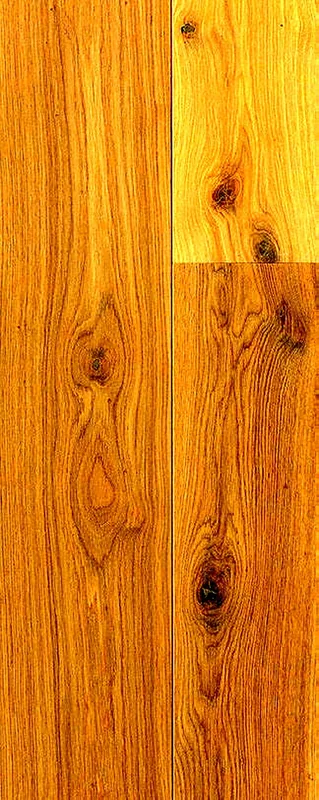
- Engineered Oak Flooring (TVD-888): multi-layer engineered hardwood in European oak, red oak and ash.
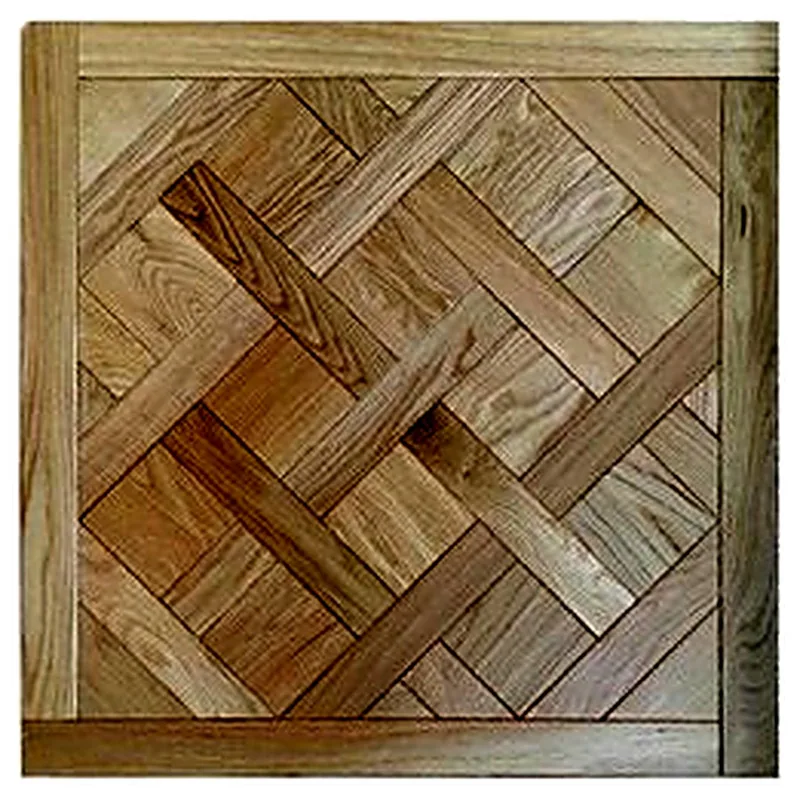
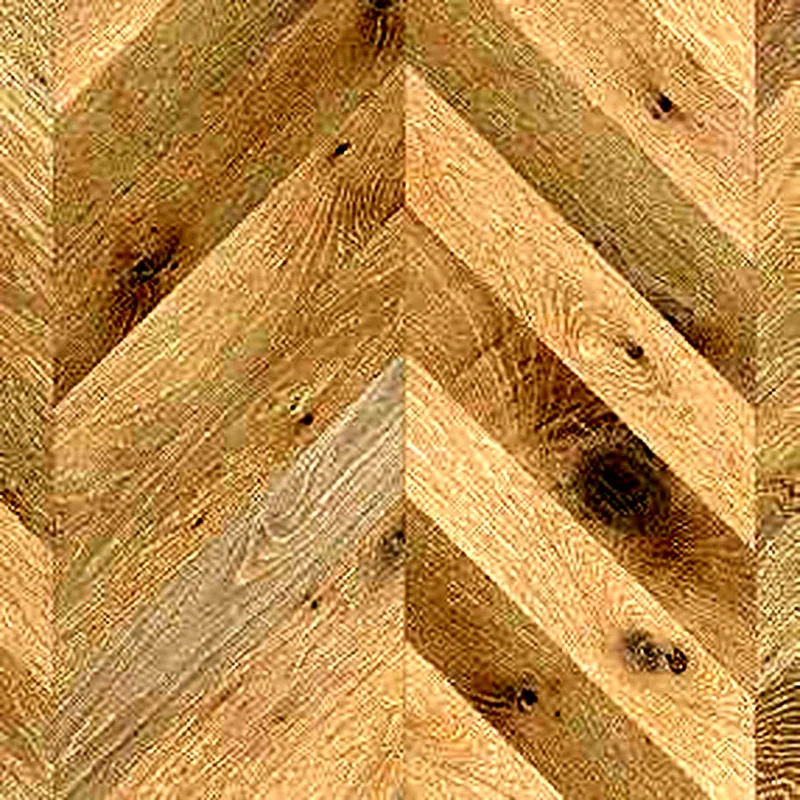
- Parquet (TVD-889) and chevron and herringbone (TVD-890): oak, in prime and rustic grades, the second in engineered construction.
- SPC Rigid-Core Vinyl Flooring (TVD-892) and SPC Stone-Look Tile Flooring (TVD-893): rigid core with a UV surface.
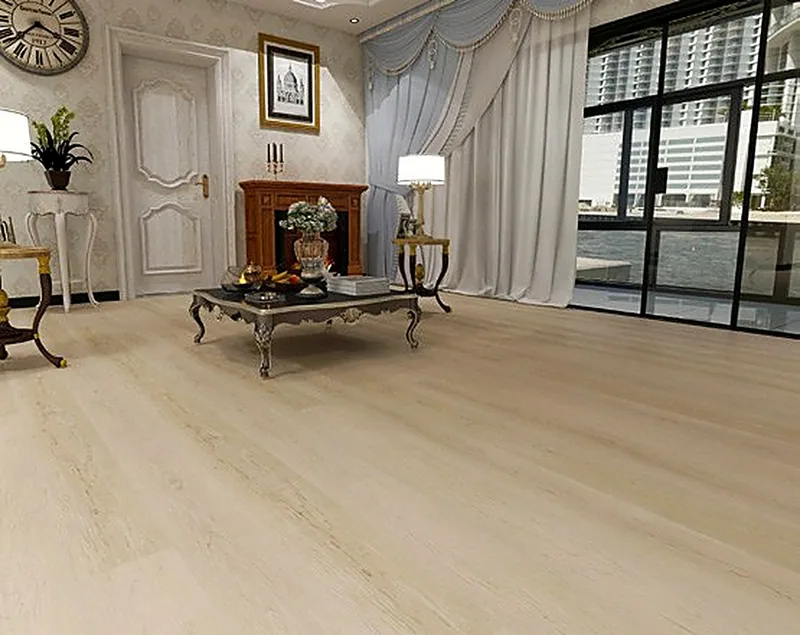
- Waterproof Laminate Flooring (TVD-894) and the oak-look laminates TVD-1544 to TVD-1547, with a melamine resin surface and a water-resistant, wood-fibre core.
- The heating system that sits under some of them: the Underfloor Heating Mat (TVD-1107) and Digital Floor Heating Thermostat (TVD-1108).
Rule 1: formaldehyde in composite wood
Canada's formaldehyde emission rules for composite wood products have been in force since 2023. They cover hardwood plywood, particleboard, MDF and laminated products, and matter for the cores of engineered and laminate floors. Products must meet emission limits, be certified by an approved third-party certifier and be labelled. Ask for the TSCA Title VI or Canadian compliance certificate. Engineered hardwood and laminate with a wood-fibre core are squarely in scope. Some SPC and rigid-core floors contain composite wood or adhesives, so ask the factory what the core is before assuming the rules do not apply.
Rule 2: flame spread in buildings
The National Building Code of Canada, adopted with changes by each province, limits flame spread of interior finishes. Floor coverings are tested to CAN/ULC-S102.2. Limits depend on the building use and location, and exits and corridors are the strictest. An ASTM E84 report is the US test; designers and building officials usually want a CAN/ULC result and may review an E84 report case by case. Do not describe any floor as non-combustible in Canada, because that term refers to a different standard.
Rule 3: slip, wear and wet areas
Slip resistance and wear ratings are not federal rules, but commercial tenders often require them. An SPC tile for a restaurant entry, or a laminate for a shop floor, may need a test report that the specification names. Water claims need care: the oak-look laminates list a water-resistant core, while TVD-894 lists waterproof planks. Do not blur the two in a customer's mind.
Rule 4: over heat
If the floor sits above a heating mat, the floor's own maker has to confirm suitability. The line's buying advice says exactly this: check the floor is rated for use over heat. The mat and thermostat are electrical products and need Canadian certification marks or a field evaluation; see the TVD-1107 certification guide, the thermostat file for TVD-1108 and CSA, cUL and cETL marks explained.
Rule 5: labels, safety and language
The Canada Consumer Product Safety Act's general prohibition applies to consumer products. Prepackaged goods need bilingual product identity and net quantity under the Consumer Packaging and Labelling Act. Quebec's Charter of the French language expects French on labels, instructions and warranty papers.
Document table by floor type
| Floor | Document to request | Why | Who issues it |
|---|---|---|---|
| Engineered hardwood and parquet | Formaldehyde certificate for the core | Composite wood regulations | Approved third-party certifier |
| Laminate | Formaldehyde certificate; abrasion and flame-spread reports | Wood-fibre core; building code | Certifier; test laboratory |
| SPC rigid core | Core and adhesive description; flame-spread and slip reports | Building code; commercial tenders | Factory; test laboratory |
| Any floor over heat | Written suitability statement | Warranty and safety | Floor's manufacturer |
| Heating mat and thermostat | Canadian mark or field evaluation | Electrical safety authority | Accredited certification body |
| All floors | Bilingual carton labels | Packaging and labelling rules | Factory artwork approved by you |
Provincial differences
Building codes are adopted with changes by each province, and Quebec, Ontario, British Columbia and Alberta have their own. The flame-spread limit and the inspector differ accordingly. British Columbia buyers face a damp coastal climate that favours rigid-core products, discussed in our British Columbia SPC flooring guide. Quebec buyers should expect French documents. Prairie and central Canadian winters are dry, which affects real wood most, while Atlantic Canada is humid. Acclimatize wood and wood-fibre floors before laying.
What happens if a document is missing
A building official may refuse a finish that lacks a flame-spread report. A retailer may refuse to list a floor with a non-bilingual carton. A missing formaldehyde certificate can block a sale of stock already in the warehouse. An uncertified heating mat can force a finished floor to be opened up.
How we handle it
Each quote is written and states certification status, the documents to follow, packing, lead time and delivered cost. We confirm tariff classification with our customs broker before quoting delivered cost, and tax follows the province of delivery, set out in the sales tax guide. Payment is 30% deposit and 70% before release, so you will know the documentary status before the second payment. For a closer look at one floor, see the TVD-888 buying guide and its certification guide, or the laminate colour guide. Start with a quote request. Rules change, so confirm with your inspector or customs broker. This is not legal advice.