Certification guide ·
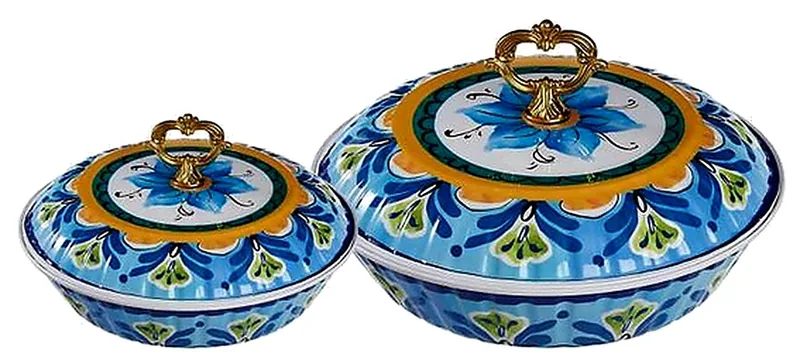
Blue Floral Lidded Bowls – Gold Handle (TVD-10292): Canadian certification and compliance
No certification mark is on file for this decorated, ceramic-look lidded bowl. Here are the rules and documents that matter before it reaches your shelves.
Where TVD-10292 stands on certification
The Blue Floral Lidded Bowls – Gold Handle (TVD-10292) are blue, ceramic-look lidded bowls with a pastel floral print, shown in several sizes. No certification mark is on file for this item. That is a plain statement of where we are, not a judgement on the product. We confirm certification status and supply the documents with the quote before you order, so you see what exists before any money moves. The shape of the problem is simple: a decorated bowl with a lid may hold food, and decoration near the lip is where Canadian buyers ask the sharpest questions.
Our listing shows no powered or gas-fired part, so the electrical marks covered in CSA, cUL and cETL marks explained are not the issue here. The rules that do matter are about food contact, glaze and decoration, product safety and labelling.
Which rules can apply to this bowl
- Food and Drugs Act. It prohibits selling food in or with materials that may make it harmful. Health Canada does not pre-approve kitchenware, but it offers voluntary Letters of No Objection for food packaging materials. Buyers commonly ask the factory for food-contact test reports, for example FDA or EU migration tests.
- Glazed Ceramics and Glassware Regulations. If the version you order is glazed ceramic or glass, there are limits on lead and cadmium that can leach from surfaces that touch food. Printed or metallic decoration near the lip is a known risk, so a lead and cadmium test report for the decorated piece is the document to request.
- Consumer Products Containing Lead Regulations. These include limits that cover kitchen utensils and products for young children. Do not market this bowl for children unless the quote confirms it is suitable.
- Canada Consumer Product Safety Act. It prohibits consumer products that are a danger to health or safety, requires incident reporting and allows recalls. Health Canada enforces it.
- Consumer Packaging and Labelling Act. Prepackaged consumer products need bilingual product identity and net quantity, plus the dealer's name and place of business.
- Quebec. Labels, instructions and any warranty documents must be available in French, with French at least as prominent as other languages.
If the body turns out to be plastic with a ceramic-look finish, the glaze rules are not the relevant test, and the plastic type and its food-contact reports take their place. Our listing says "ceramic-look" and does not name the material, which is exactly why we ask the factory before quoting.
Document checklist for this bowl
| Document | Why you want it | Who issues it |
|---|---|---|
| Material declaration (body, lid, handle) | Decides which test route applies | Factory, confirmed by us on the quote |
| Food-contact test report | Supports the Food and Drugs Act duty on materials that touch food | Test laboratory, via the factory |
| Lead and cadmium report on the decorated piece | Covers print, glaze and any metallic decoration near the lip | Test laboratory, via the factory |
| Decoration description | Shows whether print sits under glaze, over glaze or as a decal, and where it ends | Factory |
| Bilingual label artwork | Prepackaged goods need English and French identity and net quantity | Dealer, with our packing proof |
| Quebec French instructions or inserts | Retailers in Quebec ask for them | Dealer, or us on request |
| Carton and packing specification | Lidded ceramic-look pieces need protection in transit | Factory, confirmed on the quote |
The gold-coloured handle
The product name points to a gold-coloured handle. A handle on the lid is usually away from food, but "usually" is not a document. Ask the factory how the handle is finished and fixed, and whether any of it is within reach of food or a mouth. If the decoration forms a band around the rim, treat it as the metallic decoration near the lip that Canadian guidance singles out.
CE marks and other overseas paperwork
Canada does not recognise the European CE mark as proof of compliance for consumer products. If a factory offers a CE declaration or a European migration report, treat it as supporting evidence only. It may be useful alongside FDA or EU food-contact tests, but it is not a Canadian approval.
What happens if documents are missing
- A retail buyer's quality team may decline to list the line.
- A café or hotel health inspector can ask what the bowl is made of and whether it is suitable for food.
- If a consumer product is found to be a danger to health or safety, the Canada Consumer Product Safety Act allows recalls, and you carry the cost of the stock.
- Prepackaged stock without bilingual identity and net quantity can be held back before it reaches shelves.
How we handle it
We confirm certification status and supply the documents with the quote before you order. If a lead and cadmium report is not available for this exact decorated piece, we say so and you can decide whether to order a sample for your own test. Province-to-province differences are mostly about language: Quebec needs French, while the other provinces follow the federal bilingual identity rule for prepackaged goods. Rules change, and this is not legal advice, so confirm with Health Canada, your inspector or your customs broker.
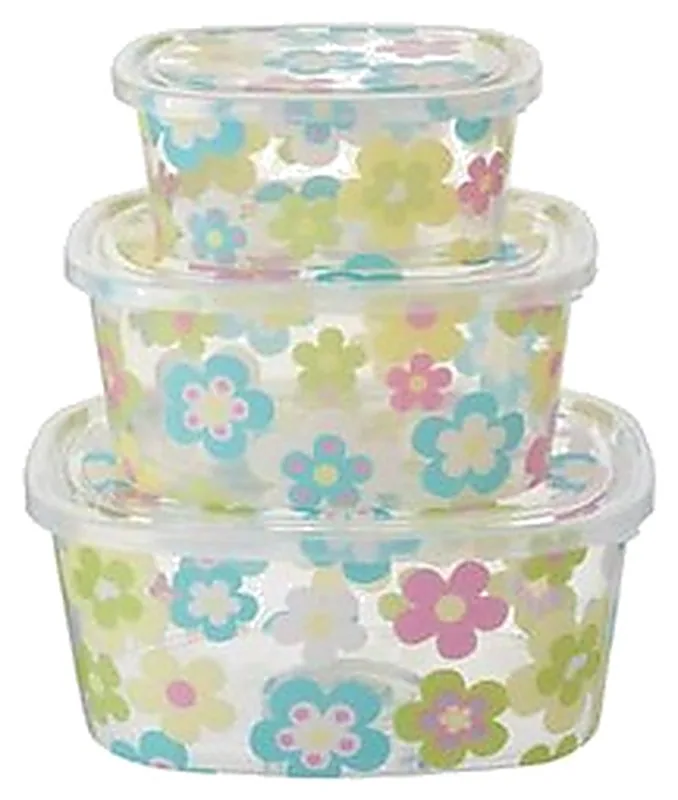
For the buying side of this item, including who it suits and how it compares with other bowls, read the TVD-10292 wholesale buying guide. For the wider line, see the line-wide compliance guide. Other pastel floral pieces are covered in the pastel floral nesting boxes compliance guide. When you are ready, send a quote request; how ordering works sets out the 30% deposit and 70% before release, and the sales tax by province guide explains tax on the delivered goods.