Certification guide ·
Pastel Floral Nesting Boxes (TVD-10291): Canadian Certification and Material Checklist
Pastel boxes with blue ceramic-look lidded bowls: no certification mark is on file, and the material of each piece decides which Canadian rules apply. Here is how to check.
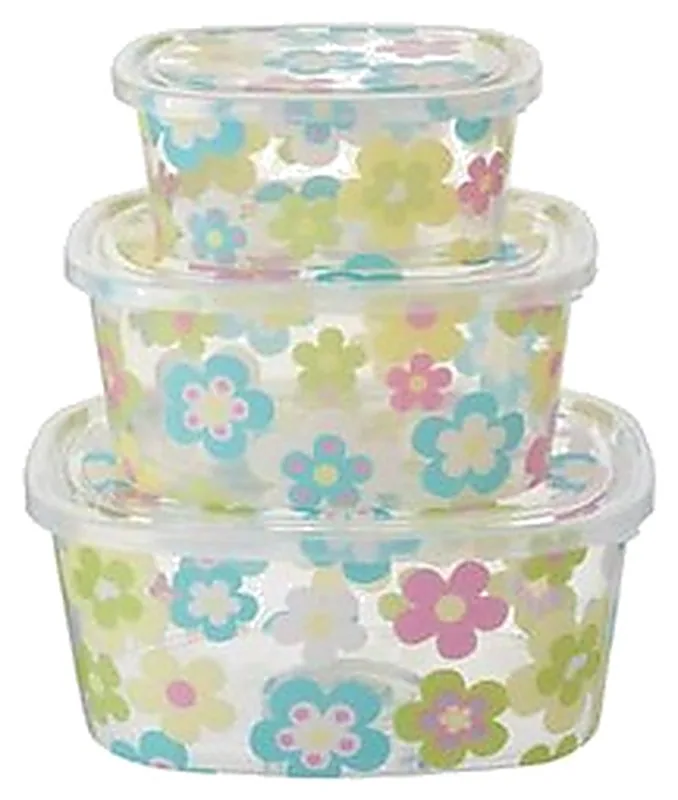
The Pastel Floral Nesting Boxes (TVD-10291) combines pastel-print boxes with blue ceramic-look lidded bowls in several sizes, and that mix raises an unusual question for a Canadian buyer: is a ceramic-look bowl a ceramic? Our listing says ceramic-look, which describes appearance, not material, so the answer decides which rules apply. No certification mark is on file for this product, so nothing here calls it certified. This guide shows how to settle the material question and what to collect afterwards.
Why the words ceramic-look matter
If the bowls are ceramic or glass, they fall under the Glazed Ceramics and Glassware Regulations, which set limits on lead and cadmium that can leach from glazed ceramics and glassware that touch food. Decorated rims and printed or metallic decoration near the lip are a known risk, and the regulations care about the surface the food or the mouth meets. If the bowls are a plastic made to look like ceramic, those regulations do not apply, but the food-contact and lead rules for kitchenware still do. We confirm the material of every piece on the quote, so ask the question in writing and keep the answer.
Rules that apply either way
- Food-contact materials. The Food and Drugs Act prohibits selling food in or with materials that may make it harmful. Health Canada does not pre-approve kitchenware. Buyers commonly ask for food-contact test reports such as FDA or EU migration tests.
- Lead in kitchen articles. The Consumer Products Containing Lead Regulations set lead limits that include kitchen utensils and products for young children.
- General consumer safety. The Canada Consumer Product Safety Act prohibits products that are a danger to human health or safety, requires incident reporting and allows recalls.
- Labelling. Prepackaged consumer products need bilingual English and French product identity and net quantity, plus the dealer's name and place of business. In Quebec, labels, instructions and warranty documents must be available in French.
The two parts of this product
| Part | What our listing says | What to confirm |
|---|---|---|
| Pastel-print boxes | Pastel print, nesting, several sizes shown | Material, how the print is applied, whether they are for food or for storage |
| Blue ceramic-look lidded bowls | Blue, lidded, several sizes shown | Material, lid seal, food use, microwave and dishwasher ratings |
The boxes and the bowls may be different materials with different documents. A food-contact test report for a bowl does not automatically cover a box. If you intend to store dry food in the boxes, ask for a food-contact report for them too. If you intend only to store crafts or linens, say so, and we will note the use on the quote.
Printed decoration
Pastel prints on a nesting box are decoration, and decoration near a rim is where lead and cadmium risk concentrates. Ask how the print is applied and whether it sits on a food-contact surface, and request a lead and cadmium test report. Do not rely on a pastel colour to suggest low risk; only a test report does that.
Heat, dishwasher and microwave
Our listing states no rating for the oven, microwave, freezer or dishwasher, and the words ceramic-look should not be read as oven-safe. If a customer might microwave a lidded bowl, the factory's written statement matters, because lids and glazes behave differently under heat. Without a written rating, say nothing on your packaging.
Nesting and breakage
Nesting boxes save container space, but breakage risk depends on the material. If the bowls are ceramic, ask how pieces are separated inside the carton and what the packaging standard is. If they are plastic, ask whether nested pieces can stick together or scuff. Ask for carton quantity and size, since nesting changes how many pieces fit in a container.
Document checklist
| Document | Why you want it | Who issues it |
|---|---|---|
| Material statement for boxes and bowls | Settles ceramic, glass or plastic and so which rules apply | Factory, confirmed through us |
| Food-contact test report | Supports sale of food-contact pieces under the Food and Drugs Act | Factory or independent laboratory |
| Lead and cadmium test report on bowls and decoration | Addresses glaze and decoration limits where ceramic or glass | Independent laboratory |
| Rating statement for heat and washing | Backs up any microwave or dishwasher claim | Factory |
| Bilingual packaging proof | Identity, net quantity, dealer details, French for Quebec | You and us |
| Written quote with certification status | States what is and is not on file | Thames Valley Distribution |
What happens if papers are missing
A retail chain's buyer may refuse to list a food-contact item without a test report. A Quebec retailer will ask for French packaging. If a safety concern is reported, the consumer safety rules allow recalls, and a seller who cannot trace the batch is exposed. A CE mark does not change any of this: Canada does not recognise it as proof of compliance for consumer products.
How we handle it
On your quote we state the material of each piece, the test reports that exist and any ratings, and we send the documents before you order. Samples are available on most items. For the commercial side of the bowl family, read the blue floral lidded bowls buying guide. Related compliance pages: blue floral lidded bowls with a gold handle, floral swing-lid bin and the storage and bins compliance guide. For a clear alternative, see the clear square storage canisters (TVD-2514), or browse the product line page.
Pricing is quoted in writing through the quote request; payment is 30% deposit and 70% before release, as described in how ordering works. Rules change, so confirm the current position with Health Canada, your provincial authority, your inspector or your customs broker. This is general information, not legal advice.