Product guide ·
Clear Glass Tubes (TVD-2792): Wholesale Buying Guide for Craft and Industrial Buyers
Clear glass tubing in several diameters and cut lengths serves craft makers, display designers and light industrial users. This guide shows how to specify TVD-2792 and what changes if it ever touches food.
What TVD-2792 is
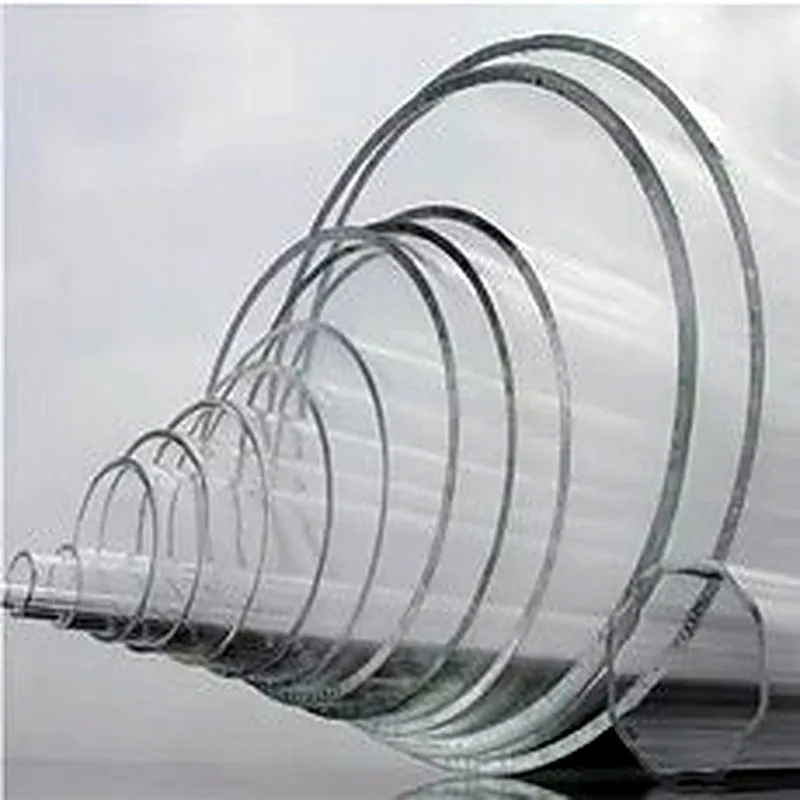
The Clear Glass Tubes (TVD-2792) are clear glass tubing sold in several diameters and in cut lengths, for craft or industrial use. That is everything the listed features say. Wall thickness, glass type, the exact diameters, tolerances and the lengths available are confirmed on your written quote. A free account on the product page shows the full specifications.
This is a different buying decision from the drinkware around it. A tube is a component or a material, not a finished serving piece. The buyer is deciding diameter, length and edge finish rather than shape and style, and the end use decides almost every compliance question.
Who buys glass tubes
- Craft retailers and online sellers sell tubes to makers for wind chimes, terrariums, candle and sand projects, jewellery and model making.
- Event planners and display designers use clear tubes as vases, light-pipe housings, table centrepieces and shelf displays, where uniform diameter looks good in a row.
- Light industrial and workshop buyers use cut tubing as sleeves, sight covers or housings. The listing says industrial use exists, though the factory must confirm the glass grade for any technical purpose.
- Caterers and cafés sometimes ask about tubes as dessert shooters or spice or sugar holders. Food use needs a different answer, covered below.
What the features mean in practice
Clear glass tubing. The material is transparent glass in tube form. The glass type is not stated in the listed features, so do not assume it is borosilicate or that it tolerates heat. If you plan to put a candle, a heater element or hot liquid near it, get the factory's written heat rating first.
Several diameters. Different diameters mean different codes of use: slim for jewellery and displays, wider for vases and housings. Ask for every available diameter with its tolerance, because craft projects that need tubes to fit end caps or corks depend on consistent outer and inner measurements.
Cut lengths, craft or industrial. The tubes are supplied cut. Ask what the cut edge is like: raw, ground or fire-polished. A raw edge can be sharp and can chip, which matters for staff handling and for anyone who buys the tube from a craft shop. Edge finish is also the first thing a retailer's compliance team will ask about.
How to specify it
- List each diameter you need, with inner and outer measurements and tolerance.
- List each cut length, and ask whether longer or uncut lengths are available.
- Ask for the wall thickness and the glass type.
- Ask about the edge finish and whether end caps or protective sleeves ship with the tubes.
- State the end use honestly. For display and craft use, ask about edge safety. For any industrial use, ask for the glass grade and heat rating.
- If any tube will touch food, say so on the request so we can ask for food-contact test reports and lead and cadmium results.
- Ask for carton type, quantity and dividers, plus minimum order per diameter, sample availability and lead time.
If the tubes will touch food
Nothing in the listed features says the tubes are made for food contact, so treat food use as unconfirmed. If you intend to fill them with candy, spices, sugar or dessert, the Food and Drugs Act prohibits selling food in or with materials that may make it harmful, and Health Canada does not approve kitchenware in advance. Buyers commonly ask the factory for food-contact test reports. The Glazed Ceramics and Glassware Regulations set lead and cadmium limits for glassware that contacts food, so ask for a report for glass that will hold food. No certification mark is on file for TVD-2792: we confirm certification status and supply the documents with the quote before you order. If the tube is sold as a craft material with no food use, say that on the label rather than implying food suitability. Rules change; confirm with the relevant authority, your inspector or a customs broker. This is not legal advice.
Handling, packing and freight
Long thin glass tubes break more easily than heavy tableware, so packing is the first cost to plan. Ask the factory for tube length per carton, divider type and how many tubes sit in a bundle. Winter freight adds risk, because a cold carton handled roughly is more likely to crack tubes, so let it warm before unpacking. Online sellers should plan shipping boxes that hold tubes straight without flexing, and many craft retailers sell with end caps for safety. Freight from Asia lands at Vancouver or Prince Rupert and continues by rail and truck, and the quote shows lead time and delivered cost to your address.
If you are a retailer selling tubes prepackaged to consumers, the Consumer Packaging and Labelling Act calls for bilingual English and French product identity and net quantity, plus the dealer's name and place of business. Quebec retailers will also ask for French on labels and instructions.
Compared with other pieces in the line
- Glass Oil & Vinegar Dispenser (TVD-2790) is a finished food-contact bottle, while the tubes are raw material.
- Double-Wall Glass Cups (TVD-2788) are drinkware, so a display designer may pair them with tubes on a table plan.
- Glass Storage Jars with Bamboo Lids (TVD-2787) offer a closed container if you need a lid, which tubes do not provide.
Ordering
Send diameters, lengths and quantities through the quote request. Our written quote covers price, specifications, certification status, packing, lead time and delivered cost. Samples are available on most items; the sample cost is usually credited to your first order. Payment is a 30% deposit and 70% before release, and delivery goes across Canada. See how ordering works, the glassware compliance guide for the wider rules, and the Glassware & Drinkware page.