Certification guide ·
Colour Plastic Kitchenware in Canada: import rules and documents, product by product
Coloured plastic bowls, jugs, baskets and lidded dishes look alike on a shelf but raise different questions. This guide shows which checks apply to which piece.
Our Colour Plastic Kitchenware line covers coloured plastic bowls, cups, jugs, baskets and kitchen sets. None of the products carries a certification mark on file, and we do not describe any of them as certified, approved or compliant. For every product, we confirm certification status and supply the documents with your written quote before you order. This guide is general information, not legal advice, and rules change: confirm with Health Canada, your health unit or your customs broker.
The rules that apply across the line
- Food and Drugs Act. It prohibits selling food in or with materials that may make it harmful.
- No pre-approval. Health Canada does not pre-approve kitchenware. It offers voluntary Letters of No Objection for food packaging materials. Buyers therefore ask the factory for food-contact migration test reports, such as FDA or EU tests.
- Consumer Products Containing Lead Regulations. Lead limits include kitchen utensils and products for young children.
- Canada Consumer Product Safety Act. It prohibits products that are a danger to health or safety, requires incident reporting and allows recalls.
- Consumer Packaging and Labelling Act. Prepackaged consumer products need bilingual English and French product identity and net quantity, plus the dealer's name and place of business.
- Quebec. Under the Charter of the French language, labels, instructions, manuals and warranty documents must be available in French.
- Duties and taxes. Import duty depends on tariff classification and origin, and GST, HST, PST or QST follow the province of delivery. Our customs broker confirms classification before we quote a delivered cost.
Where the products differ
The same plastic rules apply across the line, but the risk points move from piece to piece.
Lidded jugs and drinkware
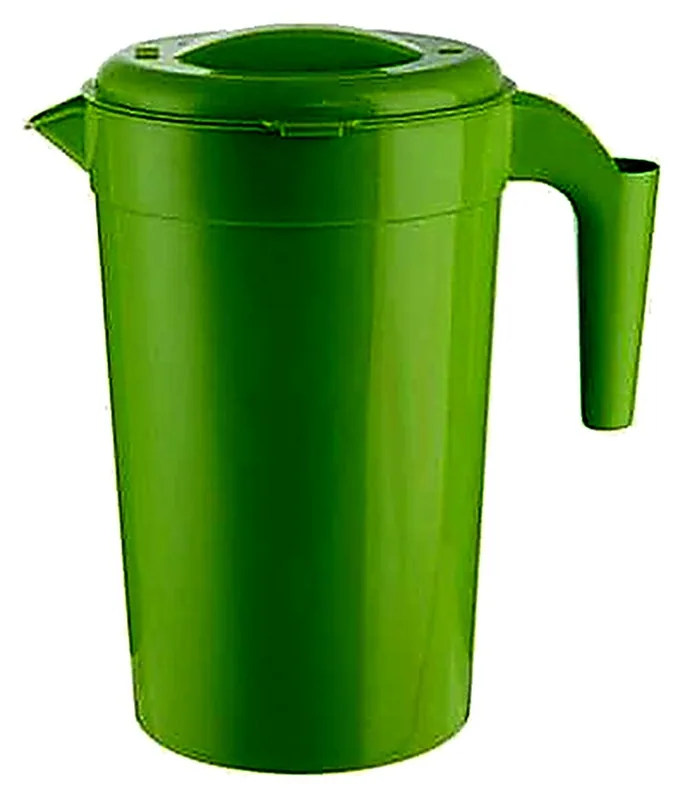
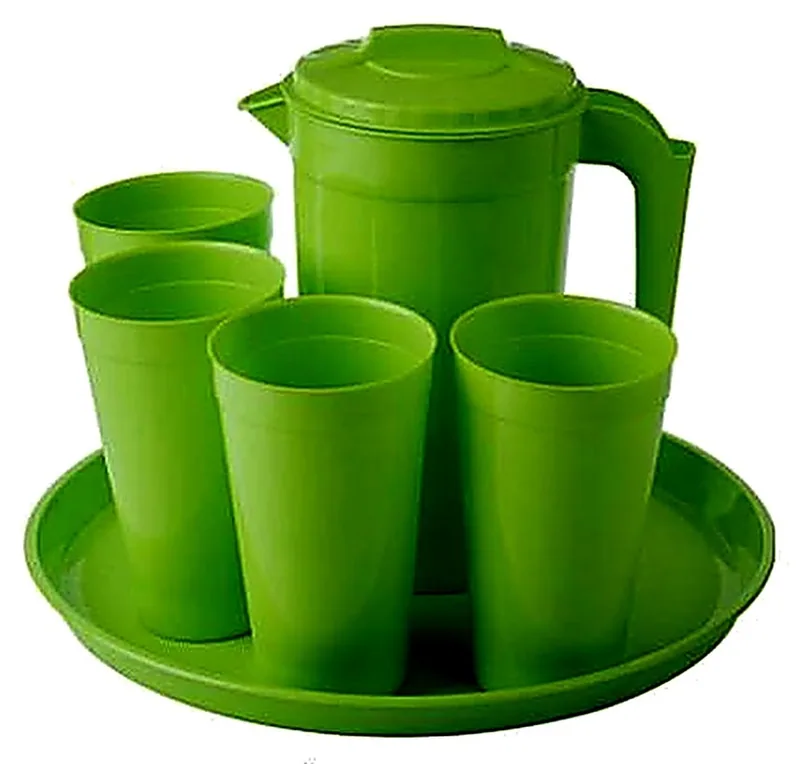
The Green Jug with Lid (TVD-2714) and Green Jug, Cups & Tray Set (TVD-10335) hold drinks, so the questions are heat limits and lid fit. Do not label for hot liquids or the dishwasher without the factory's written rating. See the jug collection guide.
Lidded pots, casseroles and storage
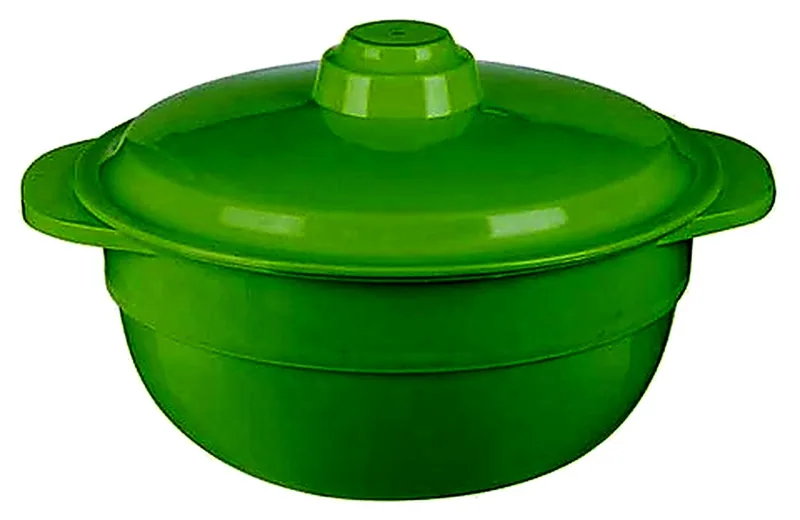
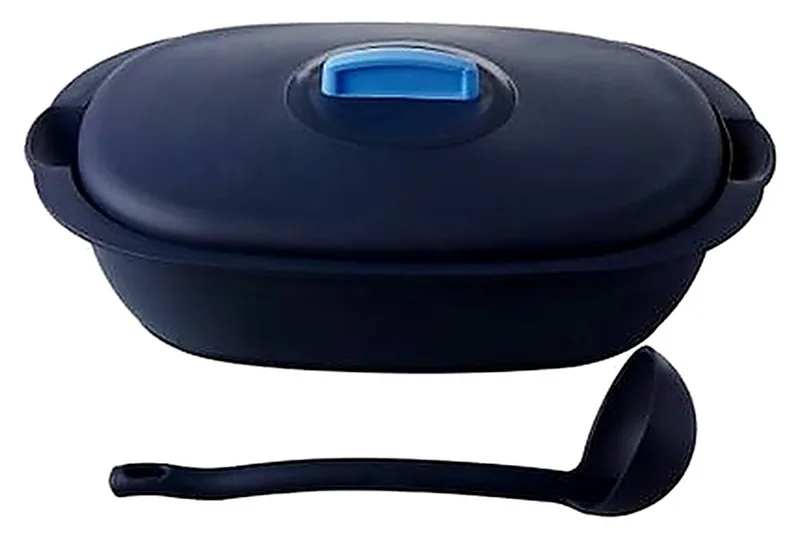
The Green Lidded Pot (TVD-2716) and Lidded Casserole with Ladle – Navy (TVD-2721) are for holding or serving food. A casserole with a ladle adds a utensil, and lead limits include kitchen utensils. Ask the factory about temperature limits before anyone reheats food in them; microwave or oven use must be confirmed in writing. Read the lidded pot guide and the casserole guide.
Perforated bowls, baskets and colanders
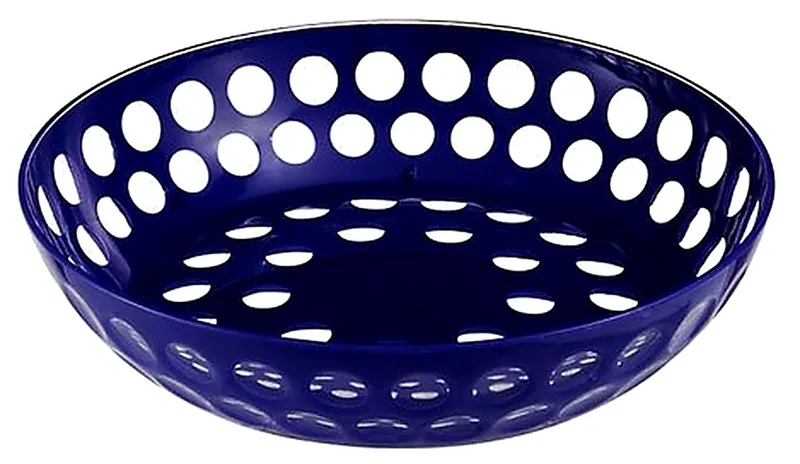
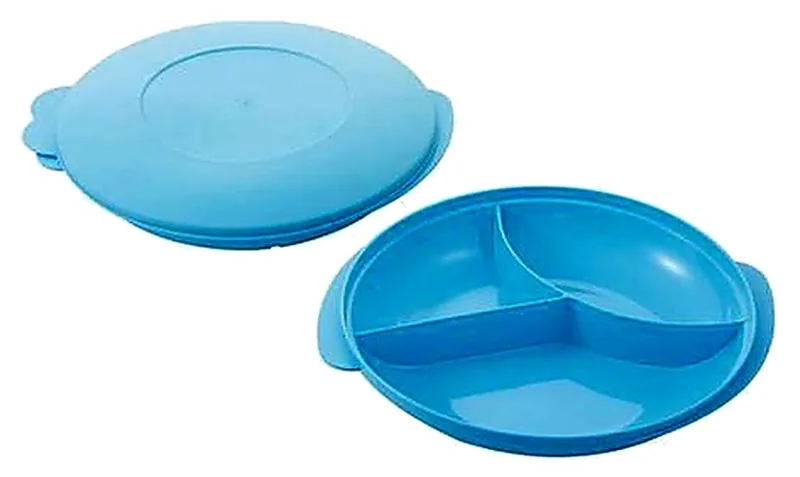
The Perforated Round Bowl – Navy (TVD-2715) and Divided Lidded Dish – Blue (TVD-2720) sit in groups that include open-weave baskets and colanders. Perforated pieces touch food briefly (washing fruit, draining), so the material report still matters, but cleaning is the main practical issue: holes trap residue. See the perforated bowl guide and the divided dish guide.
Bowl sets and decorated pieces
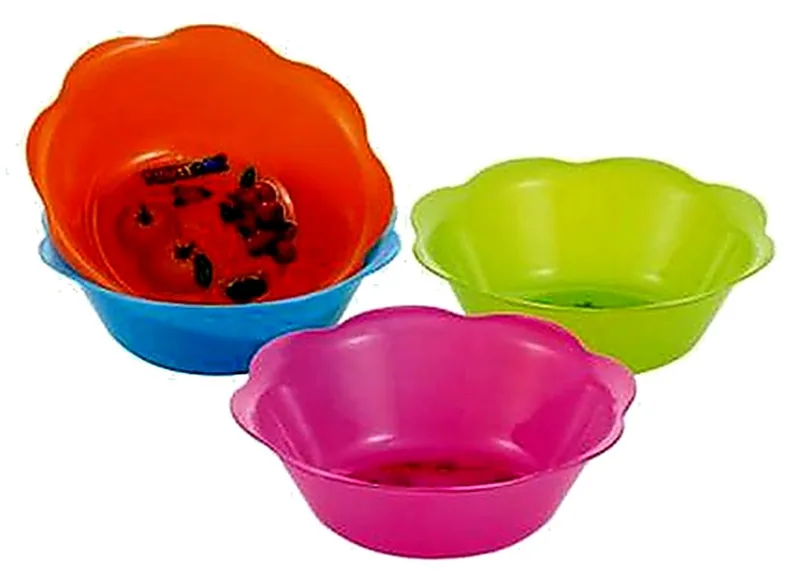
The Flower-Edge Bowls – Set of 3 (TVD-2718) are bright, wavy and round bowls; the Deep Bowl Set – Pink (TVD-10343) includes printed plates. Printed or decorated surfaces are where lead and cadmium reports are most requested, especially near the rim. If any piece in a set is glass or glazed ceramic, the Glazed Ceramics and Glassware Regulations limit lead and cadmium that can leach. Our flower-edge bowls guide and the Deep Bowl Set certification guide look at these in detail.
Cleaning tools and non-food items
The Hand-Shape Fly Swatters (TVD-2717) sit in a group with pails, baskets and a divided snack plate and tool box. A swatter does not touch food, so food-contact tests do not apply to it, but a divided snack plate does. If you mix items in one carton, separate the food-contact pieces from the non-food pieces in your documents. The fly swatters guide covers this group.
Mixed cartons and multi-product orders
Many buyers order across the line at once: jugs for drinkware, lidded pots for the kitchen aisle, bowl sets for gifting and a few non-food items. That works well, because products from several factories can share one consolidated container. The practical rule is to keep a document set for each product code, so that when a retailer asks about the printed plate, you can answer from that plate's report and not from a report on a different piece. Colours can often be assorted in one carton to suit retail displays; confirm that with the quote.
Quick comparison
| Piece type | Main extra question | Document to ask for |
|---|---|---|
| Jugs and cups | Heat and dishwasher limits; lid fit | Migration report, temperature rating |
| Lidded pots and casseroles | Reheating, utensil lead limits | Migration report, material statement |
| Perforated bowls, baskets | Cleaning, edge finish | Material statement, care instructions |
| Printed bowls and plates | Print and rim decoration | Lead and cadmium report on decoration |
| Non-food tools | Product safety only | Material statement, packaging labels |
Provincial and retail points
Quebec buyers should plan French labels, instructions and warranty documents from the start. Elsewhere, retailers still need bilingual identity and net quantity on prepackaged goods. Chains and online marketplaces often ask for test reports before listing, even when no law requires a mark, so having the reports early shortens listing time.
What happens if documents are missing
A missing report seldom stops a shipment at the border; it stops the sale. Retailers decline listings, a health inspector can question equipment in a food premises, and a hazardous product can be recalled under the Canada Consumer Product Safety Act.
How we handle it
Send a quote request. For each piece we confirm material, request the reports above and tell you what is available. Samples are available on most items and usually credited to the first order, and payment is 30% deposit and 70% before release. See how ordering works, the sales tax guide and the wholesale guide.