Certification guide ·
Deep Bowl Set – Pink (TVD-10343): Canadian food-contact and labelling checklist
Two-tone bowls, cups and printed plates in one coloured plastic set. This guide sets out which Canadian rules touch it and which documents to request before you commit.
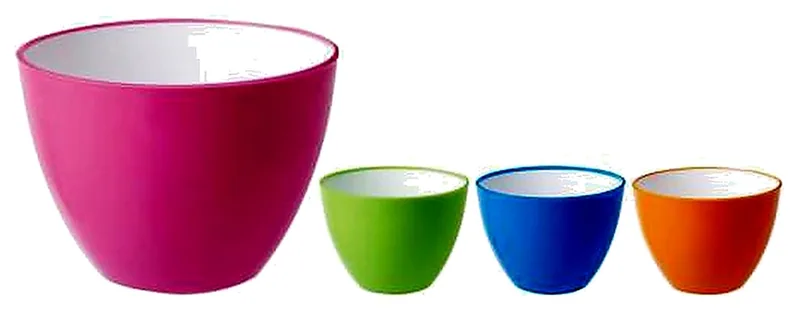
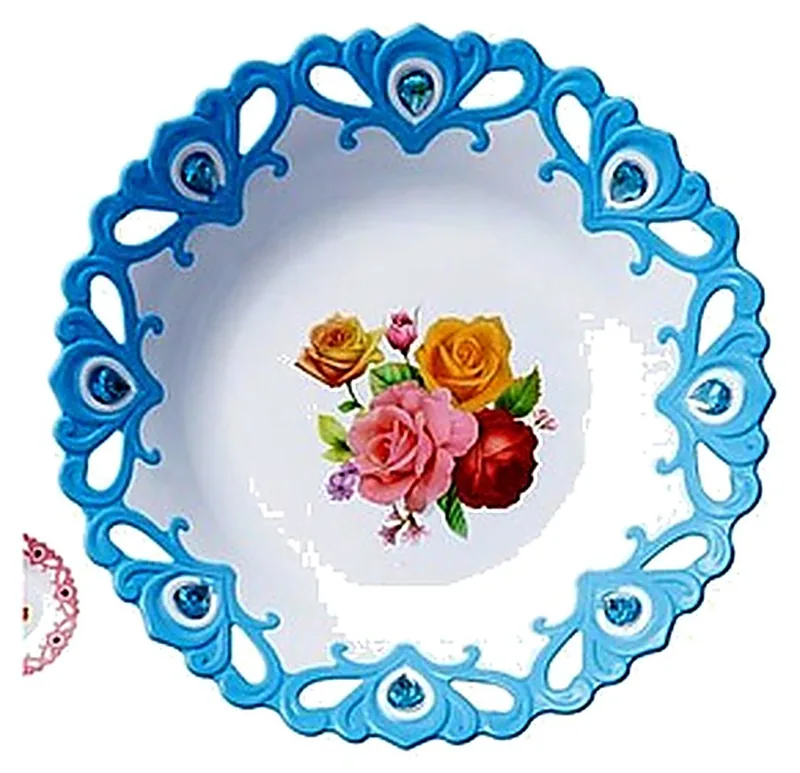
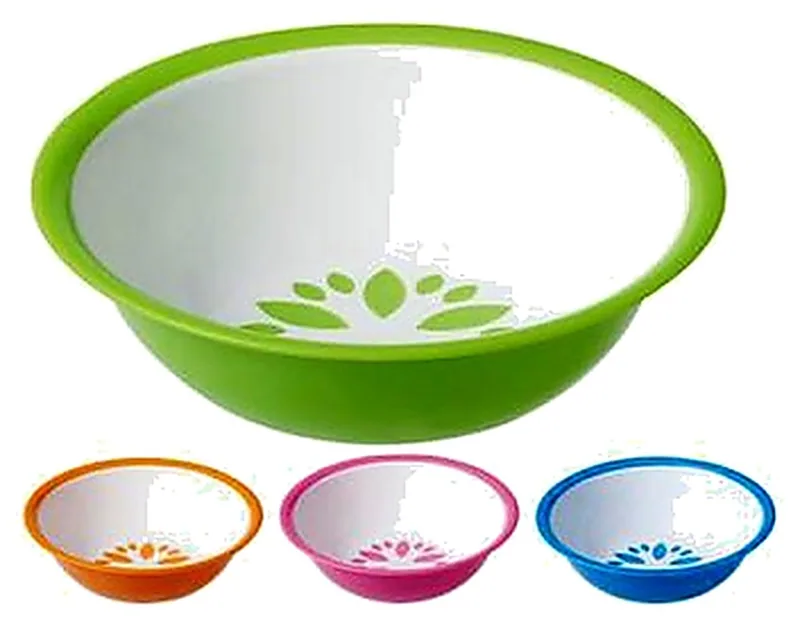
The Deep Bowl Set – Pink (TVD-10343) comes with two-tone bowls, cups and printed plates, shown in several sizes. It sits in our Colour Plastic Kitchenware line. Because the pieces hold food and drink, and because some carry printed decoration, the useful compliance questions are about food-contact materials, the printed surfaces and how the set is packed and labelled for sale. This is general guidance, not legal advice, and rules change: confirm with Health Canada, your health unit or your customs broker.
Certification status
No certification mark or test report is on file for this product. We make no claim that it is certified, approved or compliant with any standard. What we do is confirm certification status and supply the available documents with your written quote, before you order. If a document does not exist, the quote says so and you can decide whether to order with a test commissioned on a sample.
Which Canadian rules apply
- Food and Drugs Act. It prohibits selling food in or with materials that may make it harmful. A bowl or cup is food-contact by definition, so the plastic and any colourants or inks that can reach food are in scope.
- No pre-approval. Health Canada does not pre-approve kitchenware. It offers voluntary Letters of No Objection for food packaging materials, which is a different thing from approving a bowl. In practice, buyers ask the factory for food-contact migration test reports, such as FDA or EU tests, for the plastic and for the printed areas.
- Consumer Products Containing Lead Regulations. These set lead limits that include kitchen utensils and products for young children, which matters if the bowls and cups are sold for kids.
- Glazed Ceramics and Glassware Regulations. Under the Canada Consumer Product Safety Act, these limit the lead and cadmium that can leach from glazed ceramics and glassware that contact food. They apply if any piece in a set is glass or glazed ceramic rather than plastic; confirm the material of each piece on the quote.
- Consumer Packaging and Labelling Act. If the set is sold prepackaged to consumers, the product identity and net quantity must be bilingual (English and French), with the dealer's name and place of business.
- Quebec. Labels, instructions and warranty documents must be available in French under the Charter of the French language.
- Canada Consumer Product Safety Act. It prohibits products that are a danger to health or safety, requires incident reporting and allows recalls, with Health Canada enforcing it.
The printed plates: the point to push on
The set is described with printed plates. Printing is where a food-contact surface becomes more than plastic. Ask whether the print is on the food side or the underside, whether it is under or over a clear layer, and what ink system was used. Decorated rims and printed or metallic decoration near the lip are a known risk for lead and cadmium. For a plastic plate the same question applies in a different form: request a lead and cadmium report on the printed area, not just a migration report on the plain plastic. A test report on a pink bowl does not automatically cover a printed plate in the same set.
Document checklist
| Document | Why you want it | Who issues it |
|---|---|---|
| Food-contact migration test report (plastic) | Shows the material is suitable for contact with food for your use | Accredited test laboratory, requested through the factory |
| Lead and cadmium report on printed or decorated areas | Covers inks and colourants, especially near the rim | Test laboratory |
| Material declaration for each piece | Confirms plastic type and whether any piece is ceramic or glass | Factory, confirmed on our quote |
| Heat and dishwasher statement | Prevents misuse claims on the retail pack | Factory |
| Bilingual pack and label artwork | Meets English and French identity and net quantity rules; supports Quebec | You or your importer, with our packing details |
| Tariff classification and duty confirmation | Fixes landed cost before you commit | Our customs broker |
What happens if a document is missing
There is no federal pre-clearance for a bowl, but the consequences of a missing report land later: a retailer or chain will refuse to list the set, a health inspector or landlord can ask for evidence in a food premises, a franchisor may require a specific test, and a product found to be hazardous can be recalled under the Canada Consumer Product Safety Act. The best moment to fix a gap is before the order.
Retail and venue points
Cafés and daycares are the common non-retail buyers. Food premises regulations require durable equipment that is easy to clean, so ask about scratching and staining of bright colours, and about dishwasher use. Do not describe a set as microwave-safe or dishwasher-safe on a label unless the factory has confirmed it in writing. A pink two-tone bowl that warps in a dishwasher causes returns, not just a compliance problem.
How we handle it
Send a quote request with quantity and delivery address. We confirm the material of each piece, request the test reports above and show what is and is not available. Samples are available on most items and are usually credited to the first order. Payment is 30% deposit and 70% before release. See how ordering works for the full path, and the provincial sales tax guide for the tax line. For the bigger picture, read our colour plastic kitchenware compliance guide, the matching Floral Cut-Out Plate (TVD-10344) guide and the Salad Bowl Set – Green (TVD-2719) collection guide.