Product guide ·
Copper Openwork Bowl (TVD-2749) and Two Pewter Trays: Choosing Between Them
Three hollow-out metal pieces share one product description. Here is how the copper bowl and the two pewter trays differ, who each suits and what to confirm before you order.
Three copper and pewter openwork pieces, one shared specification
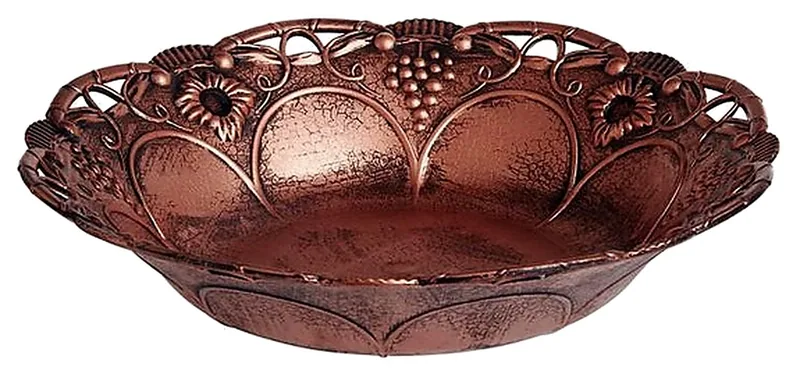
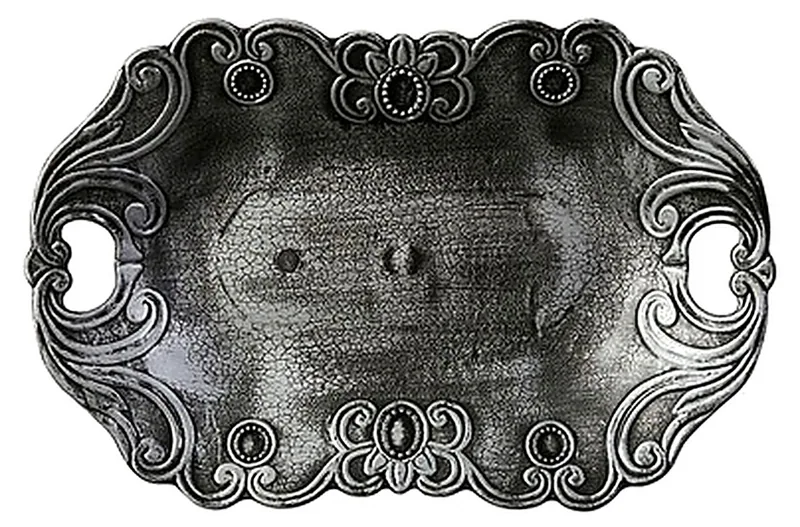
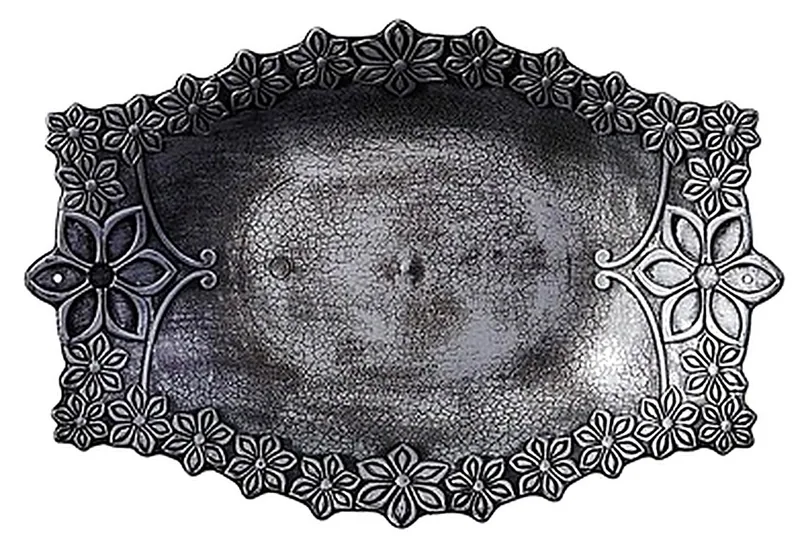
This guide covers three pieces that come with one product description: the Copper Openwork Bowl (TVD-2749), the Pewter Handle Tray (TVD-10353) and the Pewter Rectangular Tray (TVD-10354). Our product listing gives the same three facts for all of them: copper and pewter finishes, rectangular trays and round bowls, and a hollow-out decorative design. There is no separate specification for each code, so the honest summary is that they differ in name, in the form and finish their names point to, and in how you would use them, not in a published list of measurements.
All three sit inside our Silver & Copper Electroplated Trays line, which also includes silver pieces such as the Silver Scalloped Round Tray (TVD-2747) and the Silver Covered Tray on Feet (TVD-2748). If you want the silver look instead of copper or pewter, those two have their own buying guides: the TVD-2747 guide and the TVD-2748 guide.
What the shared listing means in practice
- Copper and pewter finishes. You are choosing a surface colour: a warm reddish metal tone or a cooler grey tone. The base material, the thickness of the plating and the coating that protects it are not stated in the listing, so they are confirmed on your written quote.
- Rectangular trays and round bowls. The range spans both shapes. Rectangular forms suit rows of items and shelf display; round bowls suit loose items such as fruit, bread rolls, sweets or potpourri.
- Hollow-out decorative design. The pattern is cut through the metal rather than printed on it. That gives a lace-like look and lets light through, but it also means small items can slip through the openings and crumbs lodge in the edges.
How the three codes differ
| Product | Finish named | Form it points to | Where it fits best |
|---|---|---|---|
| Copper Openwork Bowl, TVD-2749 | Copper | Bowl | Table centrepieces, counter display, gift sets |
| Pewter Handle Tray, TVD-10353 | Pewter | Tray, with handles in its name | Carrying and serving at a buffet or bar |
| Pewter Rectangular Tray, TVD-10354 | Pewter | Rectangular tray | Shelf, vanity or console display; lined presentation |
Because the listing is shared, ask for a sample of each before you commit to a mixed order. The sample shows you the real depth of the cut-out pattern, the edge finish and how the copper tone compares with the pewter tone in daylight and under shop lighting.
Which buyer should choose which
- Gift shops and homeware retailers. The copper bowl is the easiest to merchandise on its own; the two pewter trays work as a matched pair on a table display. Offering both finishes lets customers match a kitchen with copper accents or a darker, cooler interior.
- Event planners and florists. Openwork trays are decorative staging pieces for candles, place cards, favours and small arrangements. Check that the piece sits flat and does not rock on a table cloth.
- Caterers and hotels. Use them for presentation of wrapped items, sweets or bread rather than loose wet food, unless the quote confirms the plated surface is meant for direct food contact. Handles on the pewter handle tray help staff carry it across a room.
- Online sellers. Three codes with one shared listing make a tidy product family. Photograph each finish under the same light so buyers can see the colour difference.
- Households. A single bowl or tray as a catch-all for keys, a bathroom tray or a table decoration.
Mixing the three in one order
Products from several factories can travel in one consolidated container, and the three codes here can share one order and one carton plan. Quote them together so the minimums per item or colour are visible side by side. A sensible first order for a retailer is a trial quantity of each code, then a repeat weighted toward whichever finish sells faster. Ask whether cartons can be mixed or whether each code ships in its own carton, because that affects shelf-ready delivery.
Food contact, finishes and coatings
Metal trays and bowls with copper-look or pewter-look surfaces raise a practical question: will food touch them? The line's buying advice is to confirm the base material, the plating colour and the size, and to ask whether the piece is meant for direct food contact or for wrapped items and display. Do that for each code before you write product copy that says "serving". In Canada, the Food and Drugs Act prohibits selling food in or with materials that may make it harmful. Health Canada does not pre-approve kitchenware, so buyers commonly ask the factory for food-contact test reports. Our listing does not state any such report for these three pieces; we confirm what is available on your quote.
Lead limits can also matter. The Consumer Products Containing Lead Regulations set lead limits that include kitchen utensils, so if you sell any of these as kitchen items rather than decor, ask what testing exists for the metal and its coating. Provincial food premises rules and public health inspectors also expect food equipment to be durable and easy to clean, which is harder with a pierced surface.
Packing, breakage and retail labelling
Plated metal marks easily. Ask for tarnish and scratch protection in the packing, such as individual wrapping or separators, and ask how many pieces nest in a carton. If you sell prepackaged, the Consumer Packaging and Labelling Act requires bilingual English and French product identity and net quantity, plus the dealer's name and place of business. For Quebec retailers, labels, instructions and any warranty document must be available in French. Tell us which packaging and label language you need when you request the quote.
Canadian use notes
Pierced metal and a plated finish dislike prolonged damp. Coastal and Atlantic buyers should ask about tarnish protection for shelf life; Prairie and central buyers face cold, dry heated interiors that are kind to metal but hard on cardboard display sleeves. Winter transit is not a problem for metal itself, though condensation inside a cold carton can spot a surface, so ask about moisture protection if delivery lands in the coldest months. For import costs by province, see our sales tax guide and the landed cost calculator.
How ordering works
Every order is quoted in writing: price for the quantity, specifications, certification status and documents, packing, lead time and delivered cost to your address. Samples are available on most items, with the sample cost usually credited to the first order, and many lines have low trial minimums. Payment is 30% deposit and 70% before release. Read how ordering works, then send a quote request naming the codes and quantities. For the import rules that apply to the whole line, read the electroplated trays compliance guide; it explains what we confirm and what documents to expect. The wider home kitchen and tableware range for Canada shows what else can share the container. Rules change, so confirm the current requirements with the relevant authority, your inspector or your customs broker; this is general information, not legal advice.