Certification guide ·
Silver and Copper Electroplated Trays: Canadian Certification and Import Guide
No certification mark is on file for any piece in this decorative metalware line. This guide sets out the Canadian rules and the documents to request before ordering.
The silver and copper electroplated tray line covers nine pieces in three groups. None has a certification mark on file. This guide explains which Canadian rules a buyer should think about for the whole line, how the groups differ in use, and which documents to request before ordering. We confirm certification status and supply the documents with the quote before you order.
The three groups and nine products
| Group | Products | Shared description |
|---|---|---|
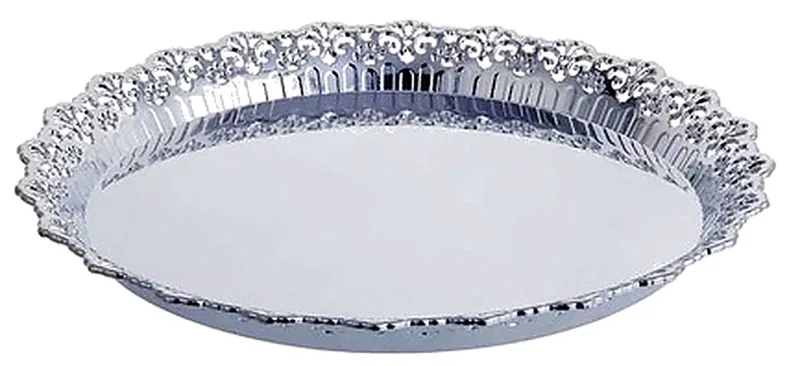
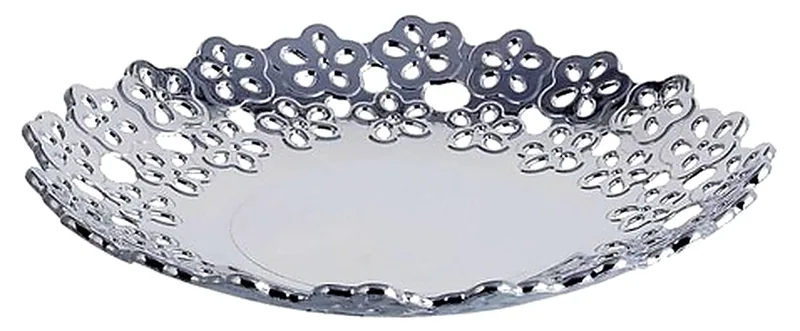
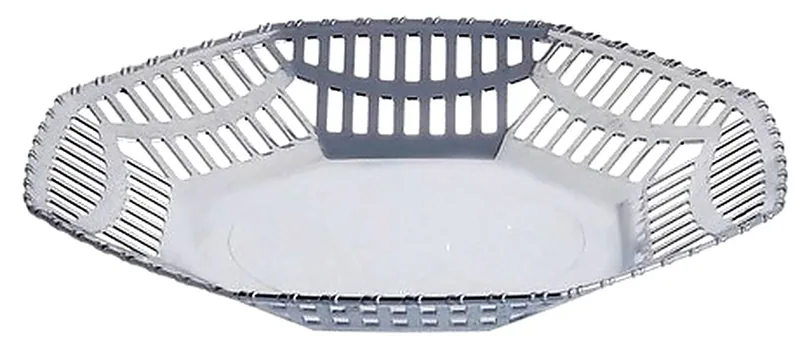
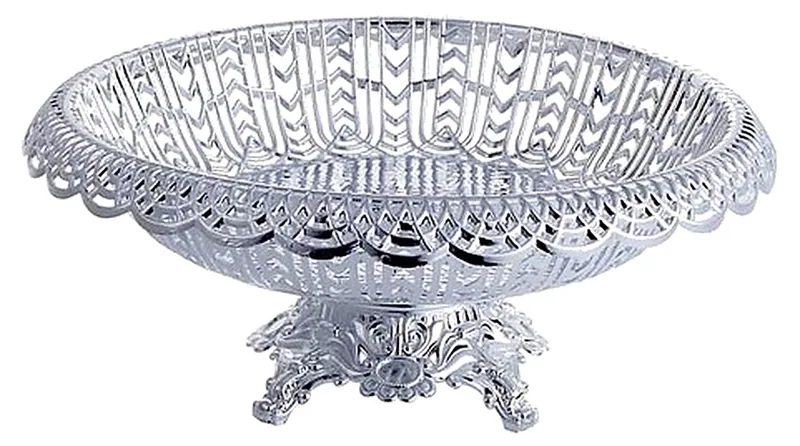
| Silver round and flat pieces | Silver Scalloped Round Tray (TVD-2747), Silver Flower-Edge Dish (TVD-10349), Silver Octagon Slotted Basket (TVD-10350) | Silver hollow-out design; bowls, trays, platters; round and rectangular shapes |
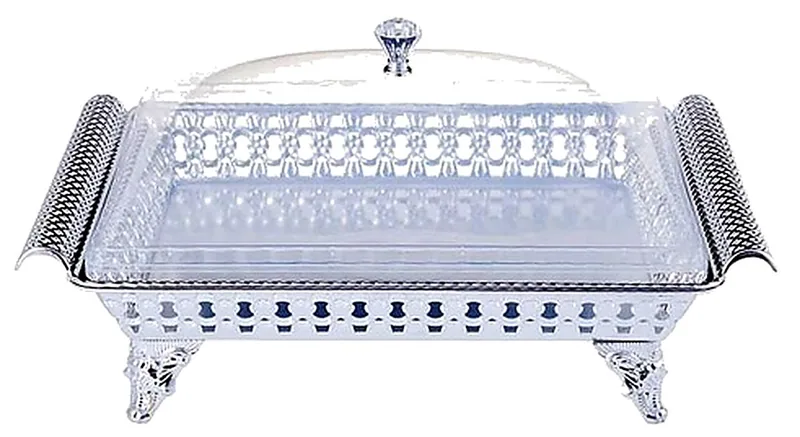
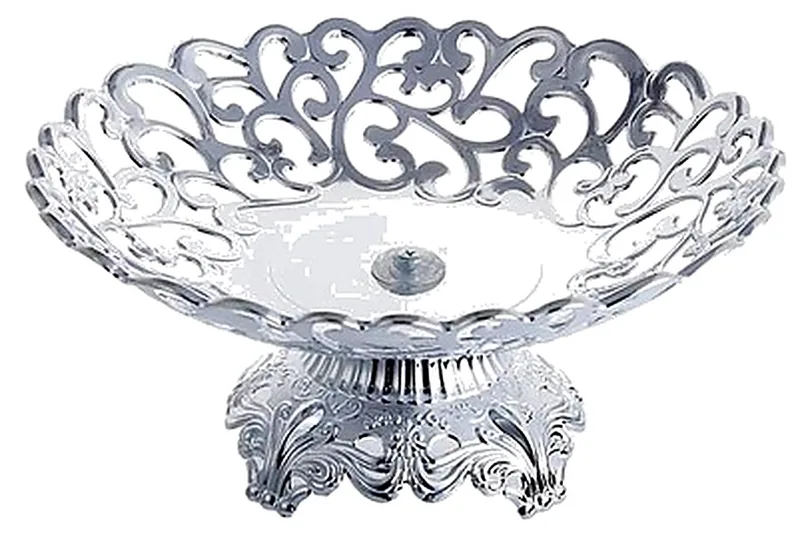
| Silver footed and covered pieces | Silver Covered Tray on Feet (TVD-2748), Silver Footed Openwork Bowl (TVD-10351), Silver Footed Cut-Out Bowl (TVD-10352) | Silver hollow-out design; footed bowls and stands; covered dishes shown |
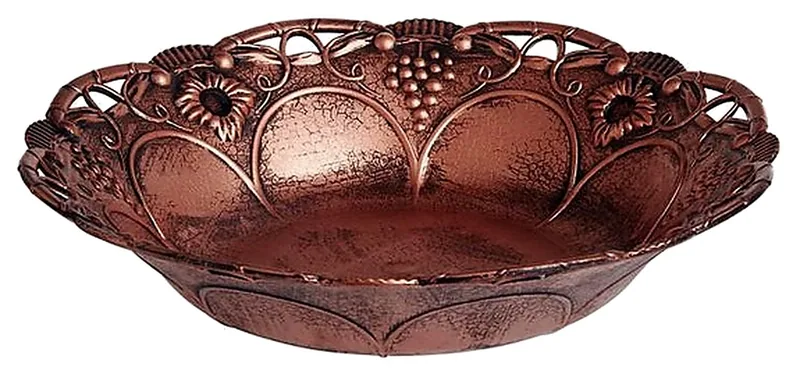
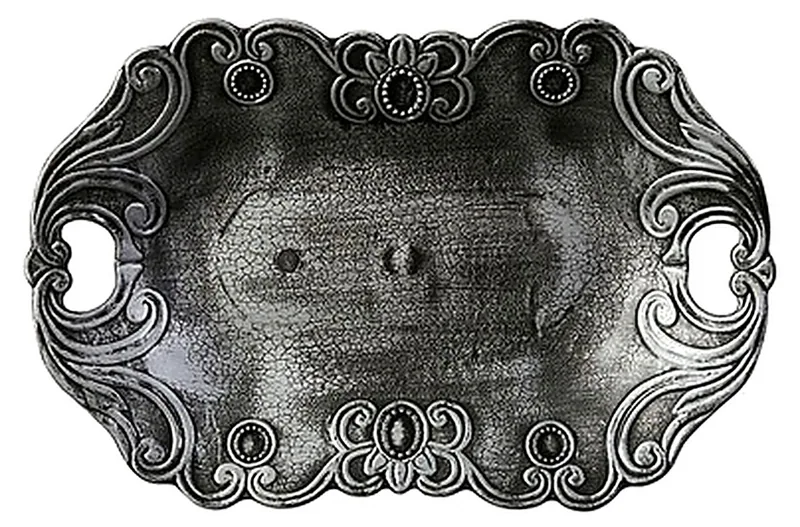
| Copper and pewter pieces | Copper Openwork Bowl (TVD-2749), Pewter Handle Tray (TVD-10353), Pewter Rectangular Tray (TVD-10354) | Copper and pewter finishes; rectangular trays, round bowls; hollow-out decorative design |
Inside each group the products share one specification and differ in name and outline, so the rules below apply to all of them alike. The buyer-focused guides are the round tray guide, the footed and covered guide and the copper and pewter guide.
No mark is on file, and what that means
Decorative metalware does not have a single mark that proves it is suitable for food. Health Canada does not pre-approve kitchenware, and no product in this line carries a certification in our records. We therefore make no certification claim. What we can do is name the rules and ask the factory for the evidence, so that you can decide before paying.
Rules that can apply
- Food and Drugs Act. It prohibits selling food in or with materials that may make it harmful. Buyers commonly ask for food-contact test reports, for example FDA or EU migration tests. Health Canada offers voluntary Letters of No Objection for food packaging materials only.
- Consumer Products Containing Lead Regulations. They set lead limits that include kitchen utensils. A lead test report is a reasonable request for any plated, copper or pewter surface a customer may touch or eat from.
- Canada Consumer Product Safety Act. It prohibits consumer products that are a danger to human health or safety, requires incident reporting and allows recalls. Health Canada enforces it.
- Provincial food premises rules. Public health inspectors look for equipment that is durable, easy to clean and sanitary. A hollow-out tray is harder to clean than a flat one, so caterers should ask the local health unit what it expects.
- Consumer Packaging and Labelling Act. Prepackaged consumer products need bilingual product identity and net quantity plus the dealer's name and place of business.
- Quebec. Labels, instructions and warranty documents must be available in French, with French at least as prominent.
Rules change, so confirm with the authority, your inspector or your customs broker. This is not legal advice.
Where the groups differ
The silver round and flat pieces are the simplest: a plate-style item whose openwork is the main food-contact question. The footed and covered group adds feet, stands and lids. A lid and a foot are separate parts and may be joined by solder or a fixing, so ask what joins them and whether any joined area can touch food. The copper and pewter group is the one where the finish itself matters, because copper and pewter are different materials from silver plating. We do not state their composition: the base metal and the finish are confirmed on the quote, and a buyer who plans direct food contact should ask specifically about the finish on the food side.
Document checklist
| Document | Why | Who issues it |
|---|---|---|
| Material and plating declaration | Names the base metal and finish for each piece | Factory, confirmed on our quote |
| Food-contact test report | Needed if the piece touches food | Independent laboratory via the factory |
| Lead test report | Covers plated, copper and pewter surfaces | Independent laboratory via the factory |
| Intended-use statement | Separates display and wrapped items from direct food contact | You, agreed on the quote |
| Bilingual label proof, French insert for Quebec | Retail sale in Canada | You, with our help |
| Packing specification | Tarnish and scratch protection, separators | Factory, on the quote |
Electrical marks and CE
Nothing in the line is powered, so CSA, cUL or cETL marks do not apply to the listed features. Our guide to those marks is worth reading if you add a lit or powered stand to a display. A CE mark is not accepted in Canada as proof of compliance for consumer products.
Provincial differences and tax
Federal rules apply everywhere. Quebec adds language requirements. Health unit expectations for food premises vary by province and by region. Sales tax depends on the province of delivery; see the sales tax guide.
If documents are missing
A retailer may decline a decorative metal tray without reports. A caterer may be asked by an inspector to show the piece is suitable for food. If a product is a danger, recalls fall on the importer. Waiting for documents costs far less than any of those outcomes.
How we handle it
Send a quote request naming the products and the intended use. We confirm material, finish and certification status in writing, ask for the reports above and say plainly what is missing. Payment is a 30% deposit and 70% before release; samples are usually credited to the first order; how ordering works explains the steps. Browse the silver and copper electroplated trays line, or use the landed cost calculator to plan delivered cost.