Certification guide ·
SPC, Engineered and Laminate Flooring: Which Canadian Documents Apply to Which Floor
Mixing constructions in one order changes the paperwork. This guide sorts the reports by floor type, starting with TVD-888, so you ask for the right ones.
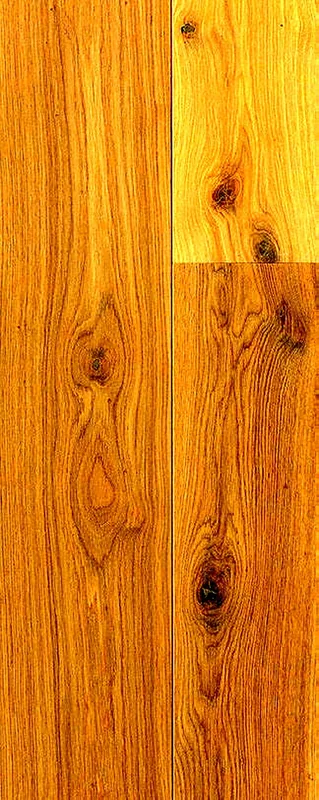
Most buyers who ask about Engineered Oak Flooring (TVD-888) are not buying one floor. They are building a container: engineered oak for the living areas, a rigid-core vinyl for basements, a laminate for rentals. Each construction raises different questions at the Canadian border and at the job site. This guide sorts the paperwork by construction, so you know which reports to request for a mixed order and which ones you can skip.
Where things stand
No certification or test report is on file for TVD-888 or for the other flooring products named here. We make no claim that any of them meets an emission, fire or slip standard. For each item we confirm what exists and supply the documents with the quote before you order.
What is in the line
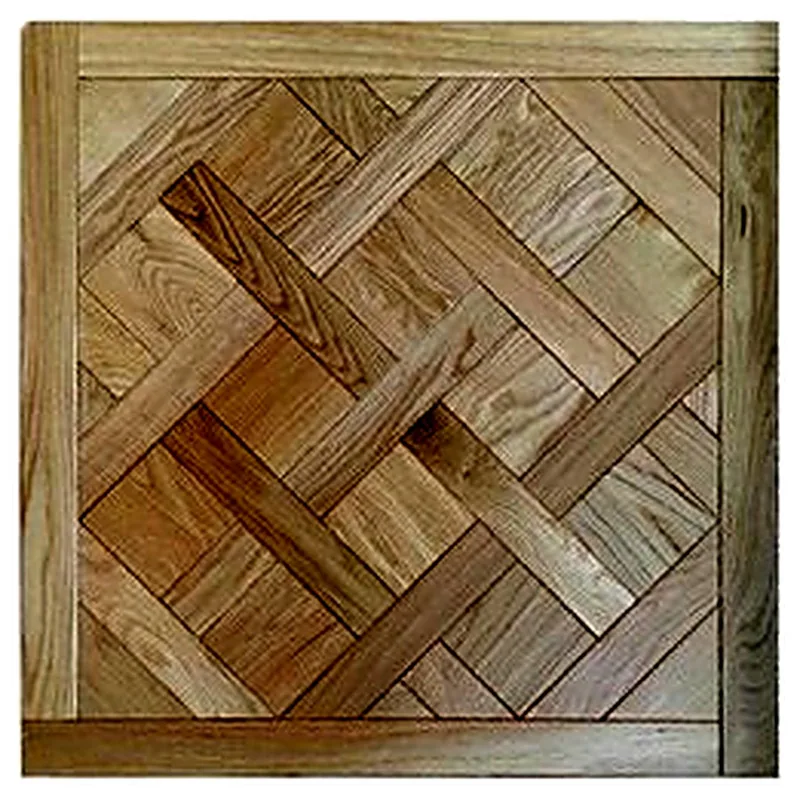
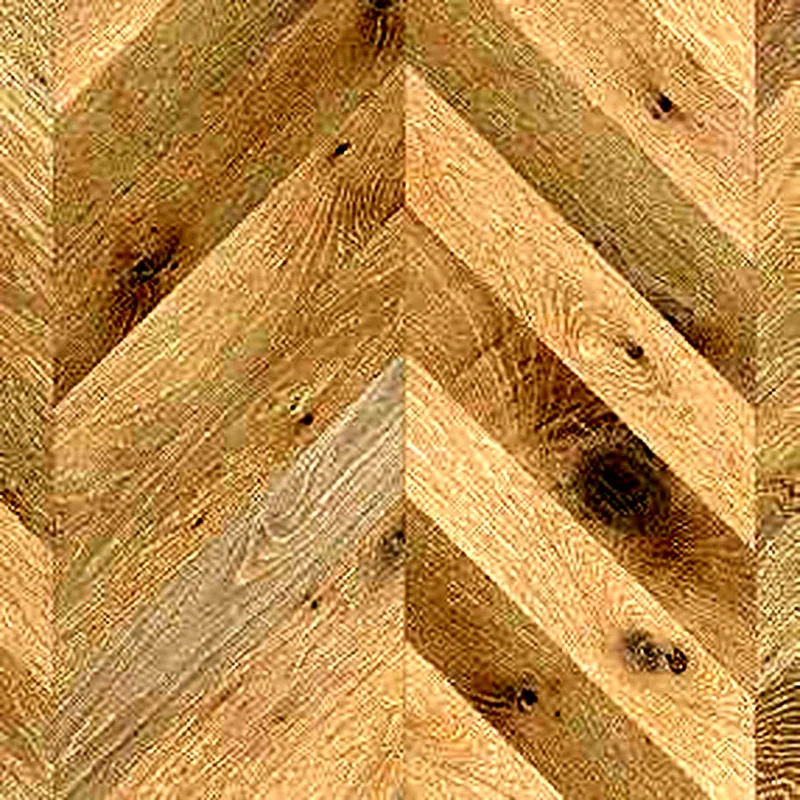
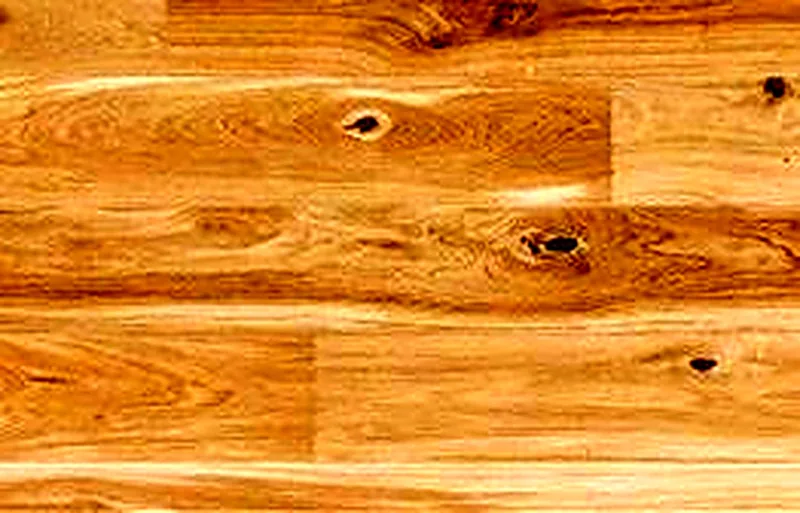
The hardwood, SPC and laminate flooring line mixes three constructions plus underfloor heating mats. The engineered products are Engineered Oak Flooring (TVD-888) (multi-layer engineered hardwood in European oak, red oak and ash), Parquet Flooring (TVD-889) parquet tiles, Chevron and Herringbone Flooring (TVD-890) and Wide-Plank Oak Flooring (TVD-891). The rigid-core products are SPC Rigid-Core Vinyl Flooring (TVD-892) and SPC Stone-Look Tile Flooring (TVD-893). The laminates include Waterproof Laminate Flooring (TVD-894), Laminate Flooring – Light Oak (TVD-1544) and Laminate Flooring – Grey & Taupe Oak (TVD-1545).
Which document matters for which construction
| Construction | Formaldehyde certificate | Flame-spread report | Other questions |
|---|---|---|---|
| Engineered hardwood (TVD-888, 889, 890, 891) | Yes: composite wood layers in the board | CAN/ULC-S102.2 where the building requires it | Wear layer, finish, acclimatisation, heat compatibility |
| SPC rigid core (TVD-892, 893) | Ask what the core contains; request the certificate if composite wood is used | CAN/ULC-S102.2 where required | Underlay, wear layer, slip report if the project asks |
| Laminate (TVD-894, 1544, 1545) | Yes: wood-fibre core | CAN/ULC-S102.2 where required | Water-resistance claims in writing, edge sealing, installation method |
This table is a starting list, not a statement about what each product has. The factory confirms the actual construction of each product, and we confirm it on the quote.
The rule behind the formaldehyde column
Canada's Formaldehyde Emissions from Composite Wood Products Regulations, in force since 2023, cover hardwood plywood, particleboard, MDF and laminated products. They require those products to meet emission limits, be certified by an approved third-party certifier and be labelled. They also matter for engineered and laminate flooring cores. The certificate to ask for is a TSCA Title VI or Canadian compliance certificate; the two are aligned. A rigid-core vinyl plank may or may not contain composite wood in its structure, which is why the question is worth asking rather than assuming.
The rule behind the flame-spread column
The National Building Code of Canada limits flame spread on floor coverings, tested to CAN/ULC-S102.2. Limits depend on building use and location, with exits and corridors strictest, and each province adopts the code with its own changes (Quebec, Ontario, BC and Alberta have their own). The US ASTM E84 test is different; Canadian officials usually prefer CAN/ULC-S102.2 or will review an E84 report case by case. Residential buyers can often ignore this column. Hotels, schools, retail and shared corridors should not.
The heating mat and the electrical rules
The line also includes an underfloor heating mat. It is electrical, so it is governed separately from the floors above it. Electrical products installed in Canada need a certification mark from an accredited body, such as CSA, cUL or cETL, or a field evaluation label, and a mark without the small "c" is not enough. No mark is on file for the mat today. Voltage and the matching thermostat need checking too, because equipment rated for 220 V and 50 Hz must be confirmed as built for Canadian voltage and 60 Hz. See our explainer on CSA, cUL and cETL marks for the detail.
Province points
- Quebec. Product labels, instructions and warranty documents must be available in French. Ask us for French versions.
- British Columbia. The humid coast and the Lower Mainland's high-rise projects shape the spec; our British Columbia flooring guide covers it.
- All provinces. Provincial building codes decide flame-spread limits and electrical safety authorities decide what is accepted on heating products.
What happens if a document is missing
A retailer may refuse to list the line. A building official may refuse a floor in a corridor. An electrical inspector can refuse an unmarked heating mat after it is under the tile. Cost lands on whoever installed it, which is usually the contractor. That is why we ask for the file before you pay a deposit.
How we handle it
We list the documents per product on the written quote, state plainly where none exist, and offer a sample on most items so you can test or show it to a building official; the sample cost is usually credited to the first order. Different products, including those from several factories, can share one container, and payment is 30% deposit and 70% before release. For the buying side of the lead product, read the product guide for TVD-888, see how ordering works and request a quote. Browse the flooring category in Canada or the wholesale guide.
Rules change. Confirm what applies with your building official, your inspector or your customs broker. This is general information, not legal advice. Duties and taxes depend on the tariff classification, origin and province of delivery; see sales tax by province and the Canada delivery hub.