Certification guide ·
Engineered Oak Flooring in Canada: Formaldehyde, Flame Spread and the Documents to Ask For
Flooring has no single Canadian mark. A buyer builds a file of reports instead. Here is what that file holds for TVD-1620, and what is on file today.
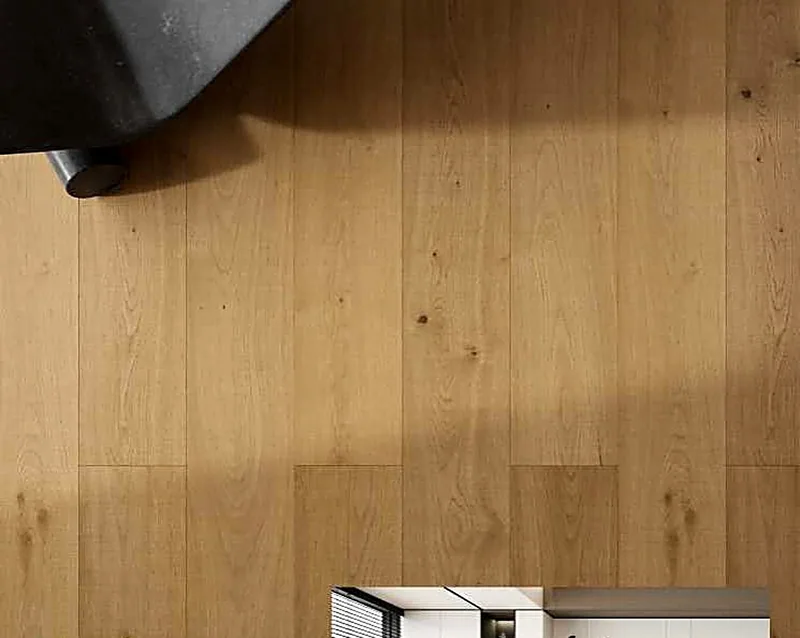
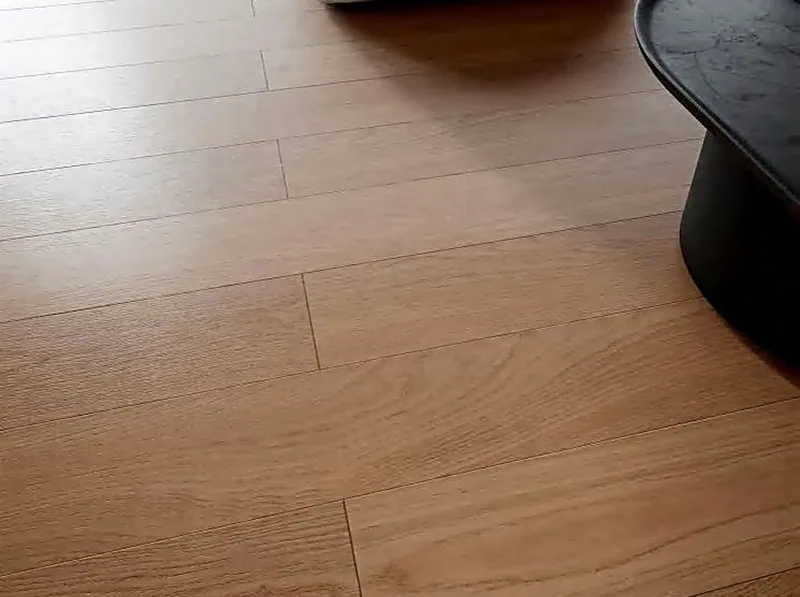
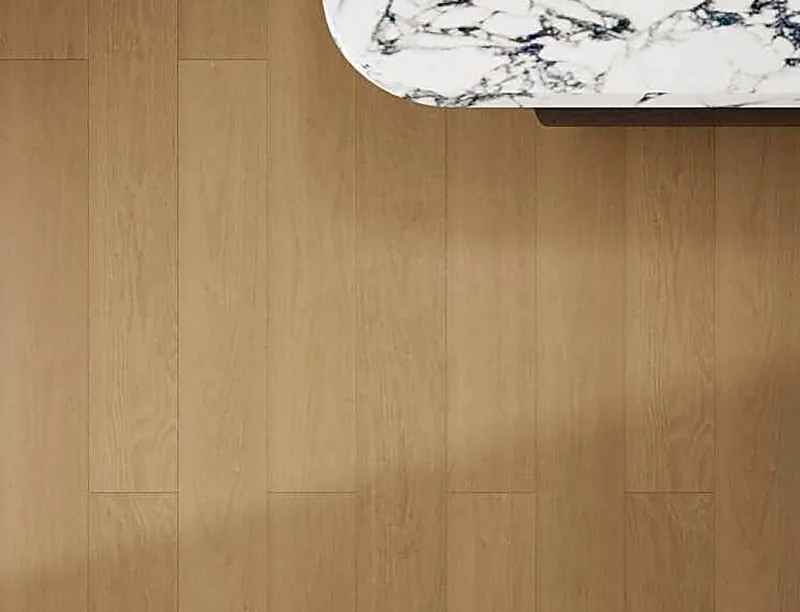
The Flagship Oak Engineered Flooring (TVD-1620) is a multi-layer engineered oak floor with a European white oak top layer, a UV lacquer finish and a click system. Flooring is not an electrical or gas product, so there is no single "Canadian mark" to look for. Instead a buyer assembles a small file of test reports and certificates. This guide lists what that file should contain for an engineered oak floor, where each item comes from, and where this product stands today.
Status: nothing is on file yet
No certification or test report is on file for this product. We do not describe it as meeting any emission, flame-spread or other standard. When you ask for a quote we confirm what documents exist, request them from the factory and supply them with the quote before you order. If a document does not exist, the quote says so.
The three questions a Canadian file has to answer
1. Formaldehyde from the composite wood core
A multi-layer engineered board contains composite wood: plywood layers or a similar core, bonded with adhesive. Canada's Formaldehyde Emissions from Composite Wood Products Regulations, in force since 2023, set emission limits for hardwood plywood, particleboard, MDF and laminated products, and require them to be certified by an approved third-party certifier and labelled. The rules also matter for engineered and laminate flooring cores. The practical request is the TSCA Title VI or Canadian compliance certificate, which are aligned, along with the labelling on the boards or cartons. Because we cannot yet say what exists for TVD-1620, we ask the factory for the certificate and the name of the certifier before quoting.
2. Flame spread for the building where it is going
The National Building Code of Canada, adopted with changes by each province (Quebec, Ontario, BC and Alberta have their own codes), limits the flame-spread rating of floor coverings, which are tested to CAN/ULC-S102.2. The limit depends on building use and location, and exits and corridors are the strictest. A US ASTM E84 report is not the Canadian test; designers and building officials usually want CAN/ULC-S102.2 results or will review an E84 report case by case. For a house this rarely comes up. For a hotel corridor, a school or a retail unit it very well might, so ask the designer or building official early.
3. Performance paperwork buyers ask for
The line's quote checklist includes slip and flammability test reports as your project requires, plus the formaldehyde report. None of those are issued by us. They come from the factory's test laboratories and, for the formaldehyde certificate, from a certifier.
Document checklist
| Document | Why you want it | Who issues it |
|---|---|---|
| Formaldehyde emission certificate (TSCA Title VI or Canadian equivalent) and label | Meets the composite wood regulations; retailers and inspectors ask for it | Third-party certifier approved for the purpose, arranged through the factory |
| CAN/ULC-S102.2 flame-spread report | Building officials may require it, depending on use and location | Testing laboratory, via the factory |
| ASTM E84 report (if offered instead) | US test; reviewed case by case in Canada | Testing laboratory |
| Slip test report | Specifiers sometimes ask for it on commercial projects | Testing laboratory |
| Specification sheet: wear layer, core, thickness, finish | Needed to compare like with like and for in-floor heating questions | Factory; confirmed on the quote |
| Installation and acclimatisation instructions | Protects the warranty and prevents movement and gaps | Factory; French version on request |
| Written quote with document status | Fixes what is and is not on file before you pay a deposit | Thames Valley Distribution |
Province and climate points
- Quebec. The Charter of the French language requires labels, instructions, manuals and warranty documents to be available in French. Installers and retailers there will ask for it.
- Dry and humid regions. Cold, dry heated interiors on the Prairies and in central Canada can move wood flooring; coastal BC and Atlantic Canada are humid. Acclimatise before install and follow the factory's guidance, which we confirm on the quote.
- In-floor heating. Ask whether this construction is suitable over heat, and under what conditions. We do not state compatibility beyond what is confirmed in writing.
What happens if it is missing
Without a formaldehyde certificate, a retailer or builder may refuse the goods, and a project may stall at the supply stage. Without a flame-spread report where the building requires one, a building official can refuse the floor after it has been laid. If flooring is installed and then found to be unsuitable, the cost is lifting and relaying it, not just the product.
How we handle it
We confirm certification status and document availability on the written quote, request test reports from the factory for your project, and tell you plainly where none exist. Our customs broker confirms the tariff classification before we quote a delivered cost. Samples are available on most items, with the sample cost usually credited to the first order, so you can have a sample tested or shown to your building official. Payment is a 30% deposit and 70% before release; see how ordering works.
To compare this floor with others in the range, look at Gratitude Series Engineered Flooring (TVD-1621), Mansion Series Wide-Plank Flooring (TVD-1626) for extra-large planks, Gratitude Herringbone & Chevron Flooring (TVD-1622) for patterns, or America Series Engineered Flooring (TVD-1627) with its American red oak top layer. The full engineered wood flooring line, the wholesale guide and the flooring category in Canada give more detail, and the CSA, cUL and cETL explainer is relevant if you also order heating mats or other electrical items. Request a quote with the building type and province.
Rules change. Confirm what applies with your building official, your inspector or your customs broker. This is general information, not legal advice. You can also read our sales tax by province guide and see the Canada delivery hub.