Certification guide ·
Glass Fruit Bowl – Scalloped (TVD-10273): Certification and Compliance in Canada
Glass, covered boxes, goblets and an ice bucket: the lead, cadmium, food-contact and labelling checks to make before you import this fruit bowl set.
A fruit bowl that arrives in a serving set
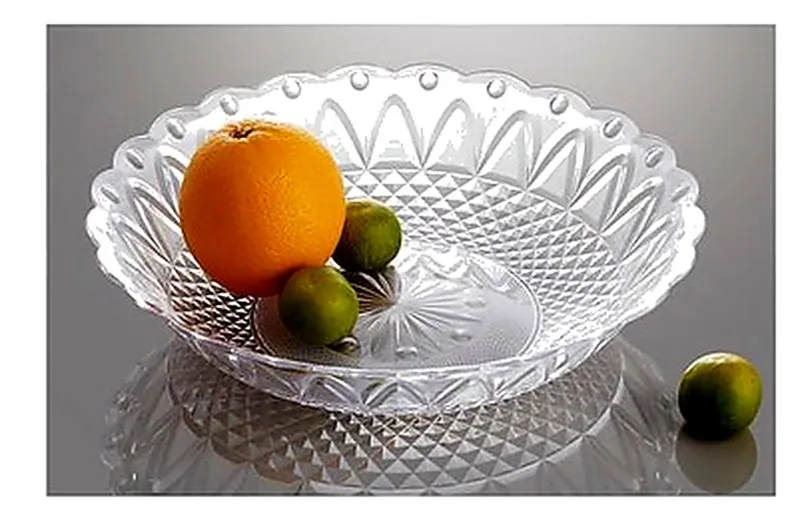
The Glass Fruit Bowl – Scalloped (TVD-10273) belongs to our acrylic serving trays and plates line, yet its name says glass and its listing is broader than one bowl: it describes clear divided boxes with covers, fruit bowls and platters, and an ice bucket and goblets shown with them. Before any compliance question can be answered, the quote has to say which pieces are in the set you are buying and what each one is made of. A scalloped glass fruit bowl, a covered divided box and a goblet can each follow different rules.
Status: no certification mark or test report is on file for TVD-10273 at the time of writing, so we make no claim that it is certified, approved or compliant. We confirm certification status and supply the documents with the quote before you order.
If any piece is glass: lead and cadmium
The Glazed Ceramics and Glassware Regulations, made under the Canada Consumer Product Safety Act, set limits on lead and cadmium that can leach from glazed ceramics and glassware that contact food. Decorated rims, and printed or metallic decoration near the lip, are the known risk because the mouth touches that area. A scalloped bowl has a shaped rim; a set with goblets has lips that people drink from. If the version you order has gold or coloured decoration on the rim, ask for a lead and cadmium test report that names that decoration and the piece. Do not accept a report for a plain clear sample as proof for a decorated one.
Where a piece is acrylic or another plastic instead of glass, the glass regulation is not the relevant test, and the factory's food-contact migration report becomes the key paper. The quote should say which, piece by piece.
Food contact and the covered boxes
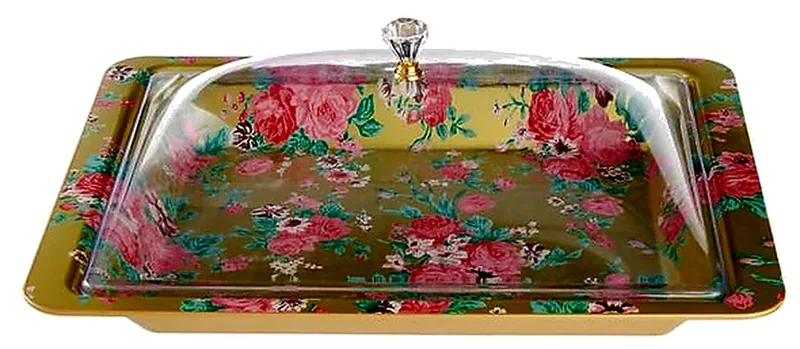
Covered divided boxes hold fruit, nuts or snacks. The Food and Drugs Act prohibits selling food in or with materials that may make it harmful. Health Canada does not pre-approve kitchenware; it offers voluntary Letters of No Objection for food packaging materials. Buyers therefore commonly ask for food-contact test reports, such as FDA or EU migration tests, for each material in the set. Ask also whether the cover seals or only rests on the box, since fresh-cut fruit under a loose cover is a hygiene question for a caterer.
Fruit contact is acidic, so ask the factory whether the test report conditions included acidic food simulants. We pass the answer on with the quote; we do not assume it.
The ice bucket and goblets
An ice bucket and goblets shown with the set raise two extra points. Thermal stress: glass can crack when hot water meets cold glass, so ask what temperature range the factory rates, and whether ice contact is covered. Lead: the Consumer Products Containing Lead Regulations set lead limits that include kitchen utensils, and drinkware has a lip contact area, so the lead and cadmium report matters. If the set is sold to a retailer, the quote also needs the number of pieces per set.
Document checklist for TVD-10273
| Document | Why it matters | Who issues it |
|---|---|---|
| Piece list with the material of each item | Different materials follow different rules | Our written quote, from the factory |
| Lead and cadmium test report on glass pieces and decorated rims | Supports the glassware limits for food-contact articles | Independent laboratory |
| Food-contact migration report for covers, boxes and any plastic parts | Evidence the materials are suitable for food | Factory or accredited laboratory |
| Thermal rating for the bowl, ice bucket and goblets | Prevents breakage and returns | Factory |
| Retail packaging artwork with bilingual wording | Prepackaged consumer products need English and French identity and net quantity | You, approved on our sample |
| Packing description for glass pieces | Protects a fragile set in sea and rail freight | Factory, confirmed on the quote |
Labelling and provinces
For sale prepackaged in Canada, product identity and net quantity must appear in English and French along with the dealer's name and place of business. In Quebec, the Charter of the French language requires product labels, instructions and warranty documents to be available in French, with French at least as prominent. A boxed set with an inner sheet counts, so confirm wording before the artwork is printed.
CE and other marks
The European CE mark does not prove compliance in Canada for consumer products. A glass fruit bowl set does not need a CSA, cUL or cETL mark unless it contains a powered part, which the listing does not show; those marks are explained in our certification marks guide.
What happens if the paperwork is missing
A retailer may refuse to list the set, an importer can face questions from Health Canada under the CCPSA, which prohibits products that are a danger to human health or safety and allows recalls, and a caterer can be asked by a health inspector to stop using untested serveware. Rules change; confirm with Health Canada, your health unit or your customs broker. This is not legal advice.
How we handle it
Request TVD-10273 through the quote form and ask for the piece list and the test reports. We confirm the status and documents with the factory and show them on the written quote. Duties depend on tariff classification and origin, which our customs broker confirms before we quote a delivered cost; the provincial tax guide covers GST, HST, PST and QST. Payment is 30% deposit and 70% before release, as described on how ordering works.
Also read the petal-edge glass fruit bowl guide, the Floral Cover Tray with Gold Rim guide and the TVD-10274 compliance guide, whose listing is similar.