Product guide ·
Glass Fruit Bowls: Petal Edge (TVD-2710) and Scalloped (TVD-10273)
Two clear glass serving sets that share one specification and differ in name and rim shape. This guide helps hotels, caterers and retailers choose between them and covers the Canadian glassware rules to plan for.
One glass serving range, two rim names
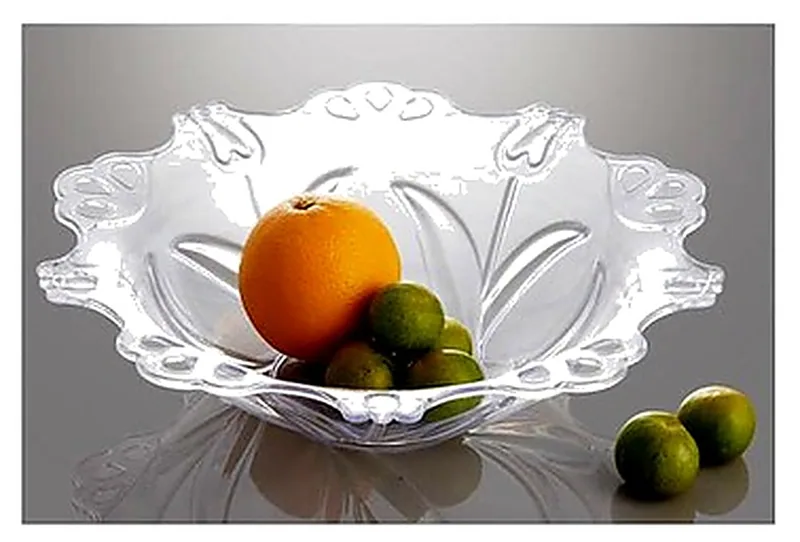
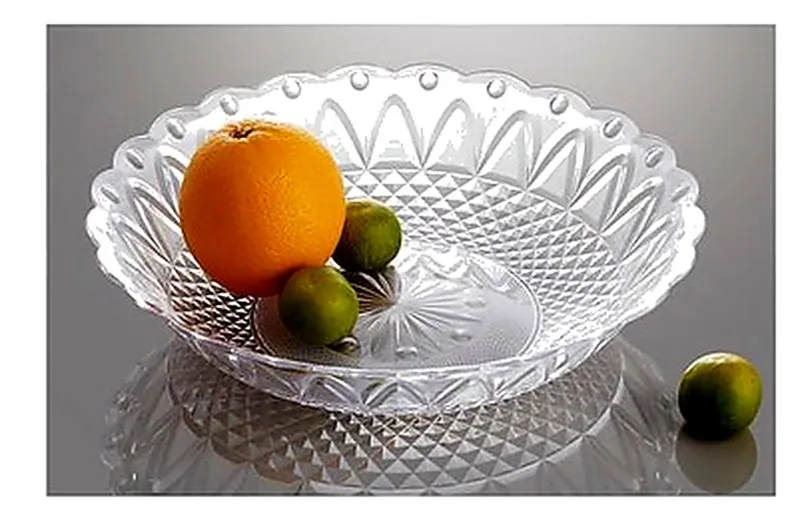
The Glass Fruit Bowl – Petal Edge (TVD-2710) and the Glass Fruit Bowl – Scalloped (TVD-10273) carry the same listed features: clear divided boxes with covers, fruit bowls and platters, and an ice bucket and goblets shown with them. Nothing in our listing separates the two apart from the name. The name tells you the intended difference, a petal-shaped rim on one and a scalloped rim on the other. We will not describe differences we have not been given; the exact rim profile, dimensions, glass thickness and what is included in each set are confirmed on your written quote.
Both sit in our serving trays and plates range alongside the acrylic trays, but glass behaves differently from acrylic, as the sections below explain.
What the shared specification includes
- Clear divided boxes with covers. A compartmented lidded box is a classic presentation for dried fruit, nuts, sweets and snacks, especially at holidays. The cover keeps items fresh on a table and protects them in transport.
- Fruit bowls and platters. The main serving pieces for fresh fruit, desserts and salads.
- Ice bucket and goblets shown. The listing shows these pieces with the bowls. Whether they are sold with each set or as extras is confirmed on the quote, so do not assume a set includes them.
Choosing between petal edge and scalloped
| Product | Name hints at | Suits |
|---|---|---|
| TVD-2710 Glass Fruit Bowl – Petal Edge | Rounded, flower-like rim | Floral or garden-style tables, gift retail |
| TVD-10273 Glass Fruit Bowl – Scalloped | Repeating curved rim | Traditional or formal tables, hotel breakfast service |
If your customers are deciding on looks alone, either works. Order both if you want to test which one sells; the shared specification means the rest of your paperwork is identical. For a retailer, a pair of names also gives you a "two styles" display without doubling the range complexity.
Which buyer each one suits
- Hotels and banquet halls can use the covered divided boxes for breakfast buffets, minibar-style snack service and amenity trays. Ask about stacking and whether covers fit both sizes.
- Caterers value clear glass because it looks higher-end than plastic and cleans without staining. Weight is the trade-off: glass is heavier to carry than acrylic, so factor labour in.
- Homewares and gift retailers sell them as seasonal hostess sets, especially in autumn and at year end.
- Cafes can use the bowls for dessert presentation and the goblets for drinks.
Glass is different: what Canadian buyers should plan for
No certification is on file for either product, so we make no certification claim. We confirm certification status and supply documents with the quote before you order. The rules that matter for glass serving ware:
- The Glazed Ceramics and Glassware Regulations under the Canada Consumer Product Safety Act set limits on lead and cadmium that can leach from glassware that contacts food. Decorated rims and printed or metallic decoration near the lip are a known risk, so if the version you order has gilt, coloured or printed decoration, ask for a lead and cadmium test report. Plain clear glass raises fewer questions, but ask anyway.
- The Food and Drugs Act prohibits selling food in or with materials that may make it harmful. Health Canada does not pre-approve kitchenware.
- Prepackaged consumer sales need bilingual product identity and net quantity and the dealer's name and place of business. In Quebec, instructions and labels must be available in French.
Rules change; confirm with the authority, your inspector or your customs broker. This is not legal advice. Our certification guides explain the document list for each product: petal edge fruit bowl compliance and scalloped fruit bowl compliance.
Mixing the two in one order
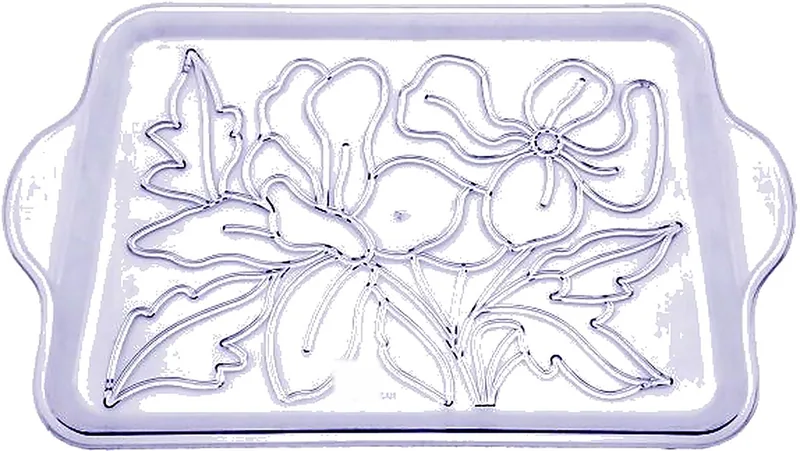
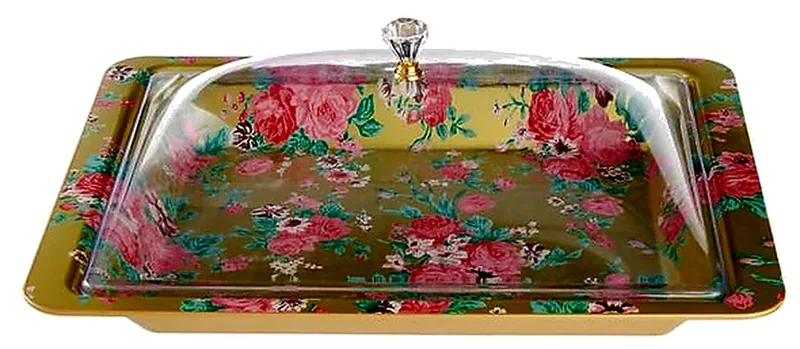
Ask for the quote to list each code on its own line, with quantities, set contents and carton counts. Glass breaks in transit, so ask how pieces are separated and whether inner dividers or foam are used, and ask for the breakage allowance in writing. Because both items share a specification, they can sit in one carton run or share a pallet with other goods from our range, such as the Floral-Engraved Handle Tray (TVD-2469) in acrylic. Our floral-engraved handle tray guide covers that option, and the floral cover tray guide covers a covered serving style in acrylic with a gold rim.
Canadian use notes
Glass is heavy and fragile, so freight and handling are more important than for plastic. Glass can crack from thermal shock; ask the factory whether pieces can go from fridge to hot water or the dishwasher, and put the answer on your care label. In winter, cartons that travel by rail and truck can arrive very cold, so let them warm before unpacking.
How ordering works
Every order is quoted in writing for your quantity and delivery address, with specifications, certification status, packing, lead time and delivered cost. Samples are available on most items, with the cost usually credited to the first order, and many lines have low trial minimums. Payment is a 30% deposit and 70% before release. We deliver across Canada. Sales tax depends on the delivery province; use our sales tax guide and landed cost calculator, then request a quote or read how ordering works.