Certification guide ·
Glass Oil & Vinegar Dispenser (TVD-2790): Canadian Compliance and Document Checklist
A glass bottle that holds oil and vinegar touches food for hours at a time, and its stopper may be the weakest link. This guide sets out what Canadian buyers should ask for before importing TVD-2790.
Certification status of TVD-2790
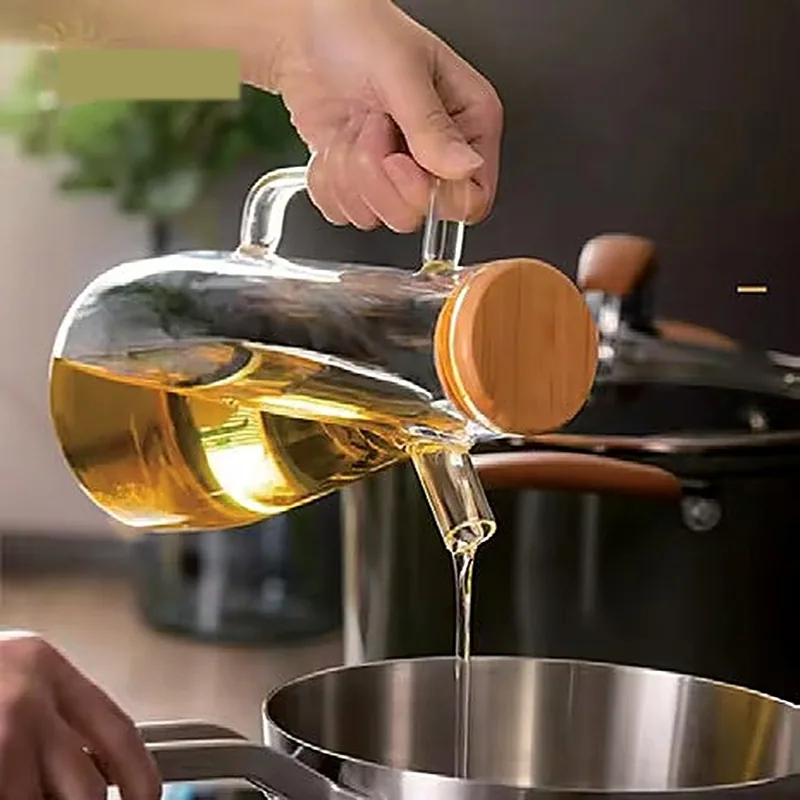
The Glass Oil & Vinegar Dispenser (TVD-2790) is a clear glass bottle with a bamboo-style stopper and a pour spout. No certification mark is on file for it. Plain food-contact glassware does not usually carry a certification mark in any case, so what matters is test evidence. We confirm certification status and supply the documents with the quote before you order. Full specifications show to signed-in buyers with a free account on the product page.
Read this as a buyer's checklist. The product has no motor, heater, plug or battery among its listed features, so electrical certification does not apply. It also has no padding or upholstery, so furniture and bedding rules are irrelevant. What remains is food contact, the glass itself, the stopper and general consumer safety.
Rules that apply to an oil and vinegar bottle
Rules change, and this is not legal advice. Confirm the current position with the relevant authority, your health inspector or a customs broker.
- Food and Drugs Act. It prohibits selling food in or with materials that may make it harmful. A bottle that holds salad dressing ingredients must not pass anything harmful into the oil or vinegar. Health Canada does not pre-approve kitchenware; buyers ask the factory for food-contact test reports instead, often to FDA or EU migration methods.
- Glazed Ceramics and Glassware Regulations. Under the Canada Consumer Product Safety Act these set limits on lead and cadmium that can leach from glassware that contacts food. A clear plain bottle is the simplest case, but a printed label, a painted band or a metallic rim near the pouring spout raises the question again.
- Consumer Products Containing Lead Regulations. Lead limits that include kitchen utensils. Ask whether any metal part, such as a spout insert, was tested.
- Canada Consumer Product Safety Act. It prohibits products that are a danger to human health or safety, requires incident reporting and allows recalls.
- Bamboo and wood rules. Bamboo and wood items need food-contact tests on finishes and glues. A melamine-bamboo blend is not for microwave use.
The stopper is where the paperwork gets interesting
The listed stopper is bamboo-style, a natural look that may or may not be solid bamboo. The question is what actually sits in the bottle neck. Ask the factory in writing:
- What the stopper is made of, and whether any part is melamine, resin, rubber or silicone.
- What finish, lacquer or wax is on it, and whether it touches the contents.
- Whether the test reports cover the stopper after contact with acidic liquid, because vinegar is the harsher test for a coating.
- Whether the stopper may be washed in a machine, which affects both life and what a health inspector sees on a wet-looking cracked stopper.
A stopper that peels or cracks after repeated vinegar contact is not just a cosmetic fault. Pieces of coating in a dressing become a food-safety complaint, and a restaurant owner will ask the buyer who supplied it.
Document checklist
| Document | Why it matters | Who issues it |
|---|---|---|
| Food-contact test report for the glass bottle | Evidence that the glass is suitable for food contact | Accredited test lab, through the factory |
| Food-contact report for the stopper and any collar or seal | The stopper is a separate material in contact with oil and vinegar | Accredited test lab, through the factory |
| Lead and cadmium report for glass and any decoration | Glassware limits, with attention to print near the spout | Accredited test lab, through the factory |
| Finish and glue statement for the bamboo-style part | Finishes and glues are what touch the contents | Factory, confirmed on our quote |
| Bilingual label and packaging proof | Consumer Packaging and Labelling Act for prepackaged goods | You and us, before print |
| Certification status statement | Says plainly that no mark is on file and what documents replace it | Thames Valley Distribution, with the quote |
Labelling and Quebec
Prepackaged consumer products need bilingual English and French product identity and net quantity, plus the dealer's name and place of business, under the Consumer Packaging and Labelling Act. A retailer in Quebec will ask for labels, instructions and any warranty papers in French, with French at least as prominent, under the Charter of the French language. Gift shops and online sellers are the usual buyers who ask for this, so settle the label text before print.
Provincial and customs points
There is no national certification mark to chase here, but provincial public health inspectors check food premises for equipment that is durable, easy to clean and sanitary. A restaurant that puts the bottle on a table is unlikely to be asked for the paperwork, whereas a food retailer, a franchisor or a landlord may ask for it. Import duty depends on the tariff classification and origin, and GST, HST, PST or QST follow the delivery province. Our customs broker confirms classification before we quote a delivered cost; see the sales tax guide. The marks guide at CSA, cUL and cETL marks explained is useful background for buyers who expect a mark and want to know why a glass bottle does not carry one.
What happens when something is missing
- An inspector or franchisor asks for evidence that table accessories are food safe, and an unsupported item is removed from service.
- A retail chain declines the product because the supplier file lacks a food-contact report.
- A recall or complaint follows a stopper that sheds finish, and the buyer cannot show what the finish was.
- A shipment is delayed because the description given to customs does not match the goods.
How we handle it
Use the quote request with your quantity and address. We ask the factory for the glass, stopper and lead and cadmium reports, and we put certification status and the documents in the written quote. Samples are available on most items; the sample cost is usually credited to your first order. Payment is a 30% deposit with 70% before release, and delivery goes to your site, store or warehouse across Canada. The TVD-2790 wholesale guide covers specification and buyers, and the Clear Glass Tubes (TVD-2792) guide shows how the same line handles a non-drinkware glass item. The British Columbia restaurant glassware guide adds freight and tax detail for the coast.