Product guide ·
Glass Tumblers with a Coloured Base (TVD-1981): Wholesale Guide for Retailers and Cafés
Single-wall tumblers with a two-tone colour base in several colour options. See how to plan an assortment and what to confirm about the colour.
Single-wall tumblers with a two-tone colour base
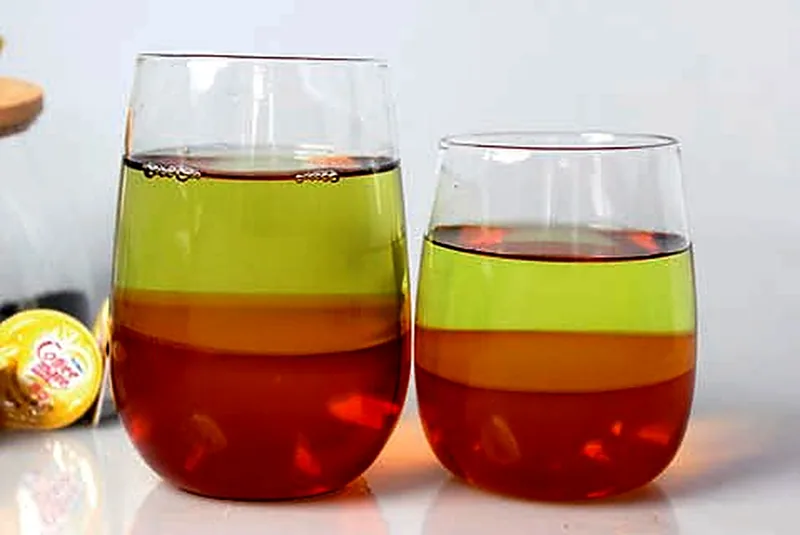
The Glass Tumblers – Coloured Base (TVD-1981) is described in our product listing as a single-wall glass tumbler with a two-tone colour base, offered in several colour options. The body reads as glass and the base carries the colour, so a shelf of mixed tumblers looks like a coordinated range with one clear shape. Capacity, glass thickness and exactly which colours are available are confirmed on your written quote.
Who buys it
- Online sellers and marketplace stores. Several colour options are a ready-made variant list. Sell a set of mixed colours or single colours, and test which sells before you re-order.
- Homeware and gift retailers. Coloured bases look good on a shelf under shop lighting and make a four-pack or six-pack with each glass a different colour a natural gift set.
- Cafés and juice bars. Base colour can be a cue for staff: one colour for water, another for juice, another for a small serving. It saves printing and makes service quicker.
- Restaurants and hotels. A mixed-colour stock on a breakfast buffet or a kids' juice table adds colour without decorated rims.
- Households. Everyday glasses where each family member has a colour.
What the listed features mean in practice
Two-tone colour base. The colour sits low on the glass, away from the rim, which is the better place for it from a lead and cadmium point of view, since the Canadian glassware limits focus on decoration near the lip. That is a design point, not a test result. Still ask how the base colour is made: is it moulded into the glass, or is it a coating applied to the surface? Coloured coatings wear faster in dishwashers, and the line's buying advice says to confirm exactly this.
Several colour options. The listing does not name the colours. Ask for the colour list, the minimum per colour and whether you can order a mixed carton. Colour consistency from batch to batch matters for repeat orders, so ask how the factory controls it.
Single-wall glass. One layer of glass with no insulation. Cold drinks sweat and hot drinks heat the outside, so treat these as cold-drink tumblers unless the quote confirms a heat rating in writing.
How to specify it: checklist
- Capacity, height and the number of pieces per carton.
- Colour list, and how the base colour is applied.
- Dishwasher rating from the factory, and whether the base colour is tested for wash durability.
- Food-contact reports for your market, and lead and cadmium results for the coloured base.
- How colours are packed: by colour carton or mixed.
- Retail packaging, label language, barcode and carton quantity.
- Minimum order per colour, sample availability and lead time.
Comparing it with three other tumblers in the line
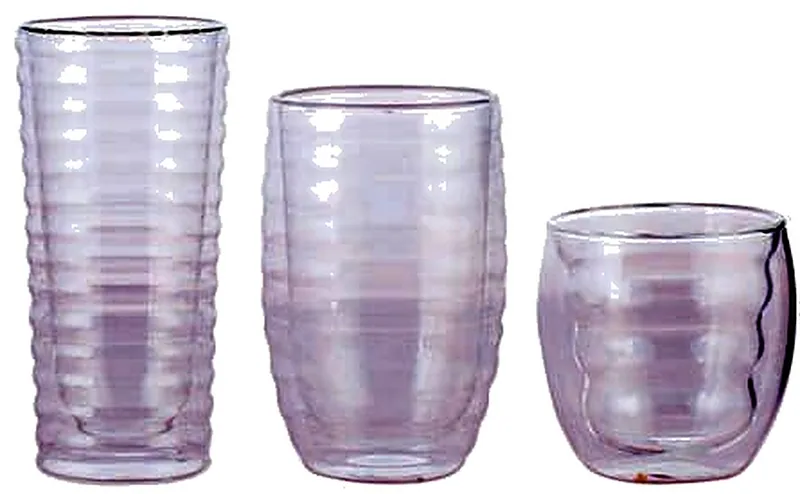
- Ribbed Glass Tumbler Set (TVD-1966): clear ribbed glass in several sizes; choose it if you want texture and no applied colour. See the TVD-1966 guide.
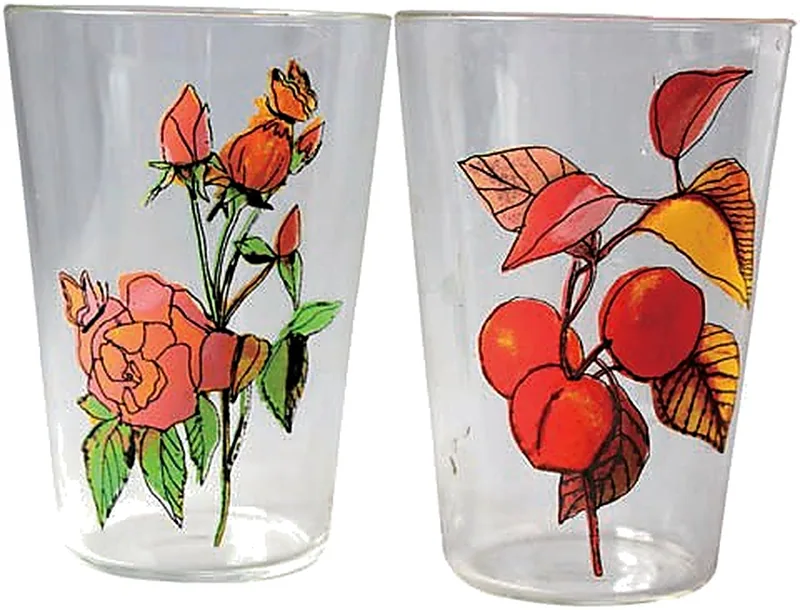
- Printed Glass Tumblers (TVD-1982): floral and animal prints applied as decals, where the decoration is on the body. See the TVD-1982 guide.
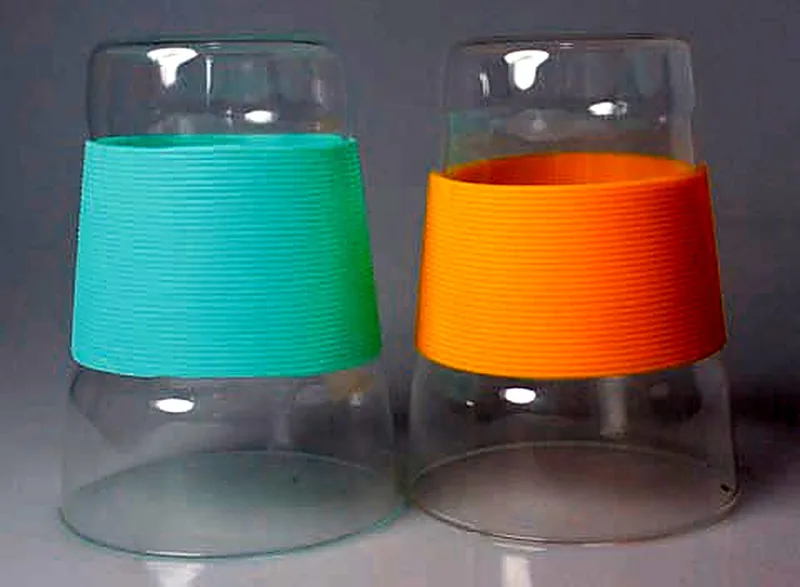
- Glass Tumbler – Silicone Sleeve (TVD-1983): a coloured silicone sleeve instead of a coloured base, giving grip and some protection against knocks.
Building an assortment
Retail and online buyers usually do better with a planned colour mix than with an even split. Start with a trial order across all colours, track sales for a season, then weight the repeat order toward the leaders. Because minimums are set per item or colour, quote your assortment as separate lines so you can see each minimum. If you want all the colour options, ask whether a mixed-colour carton exists, since it lets a small shop stock the whole range without carrying a large quantity of each.
Canadian use notes
Coloured glass looks different under different lights, so judge samples under the lighting you will actually use, whether that is shop LEDs or a café's warm bulbs. Glass in winter freight needs strong cartons and dividers. In Canada, glassware that contacts food falls under the Glazed Ceramics and Glassware Regulations, which limit lead and cadmium that can leach from glassware, and buyers commonly ask for food-contact reports under the Food and Drugs Act; Health Canada does not pre-approve kitchenware. Prepackaged sets need bilingual product identity and net quantity under the Consumer Packaging and Labelling Act, and Quebec retailers expect French on labels and instructions. See the line-wide compliance guide. Rules change, so confirm the current requirements with the relevant authority, your inspector or your customs broker; this is general information, not legal advice.
Certification status
No certification is on file for this tumbler. We confirm certification status and supply the documents with the quote before you order.
How ordering works
Every order is quoted in writing for the quantity and delivery address: specifications, documents, packing, lead time and delivered cost. Samples are available on most items, and the sample cost is usually credited to the first order. Payment is 30% deposit and 70% before release. Read how ordering works and send a quote request. The sales tax guide explains GST, HST, PST and QST by province, and the full glass line shows what can share your order.