Certification guide ·
Single-Wall Glass Cups and Tumblers: Canadian Compliance and Import Checklist
No certification mark is on file for these glass pieces, so the evidence is test reports and clear labels. Here is what to request, piece by piece.
What "compliance" means for drinking glass
Drinking glasses, mugs and tumblers are simple objects, but they sit at the intersection of several Canadian rules: consumer product safety, food-contact materials, limits on lead and cadmium in glassware, bilingual labelling and, for Quebec, French-language requirements. None of the seven pieces covered here has a certification mark on file with us, and none needs an electrical mark because the listed features show no powered part. Instead of a mark, the evidence you need is test reports and clear labels. This guide walks through what to ask for, product by product. Rules change, so confirm the current requirements with the relevant authority, your inspector or your customs broker; this is general information, not legal advice.
The pieces in the line
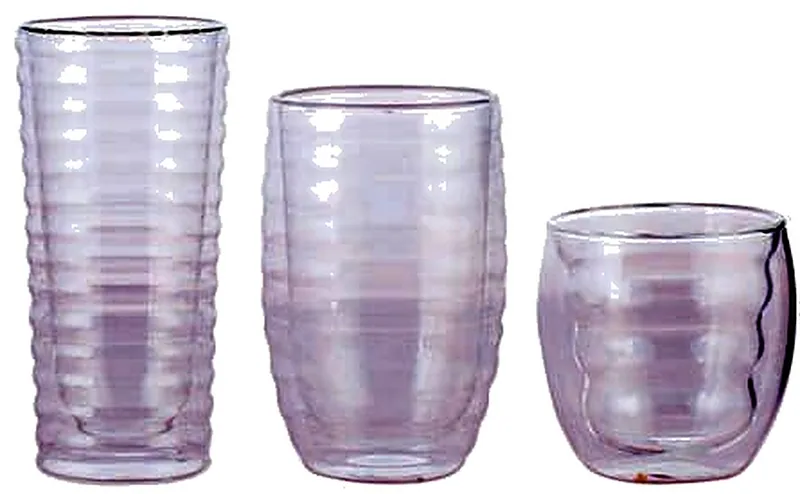
- Ribbed Glass Tumbler Set (TVD-1966): horizontal ribbed glass in several sizes for water and juice. Read the TVD-1966 guide.
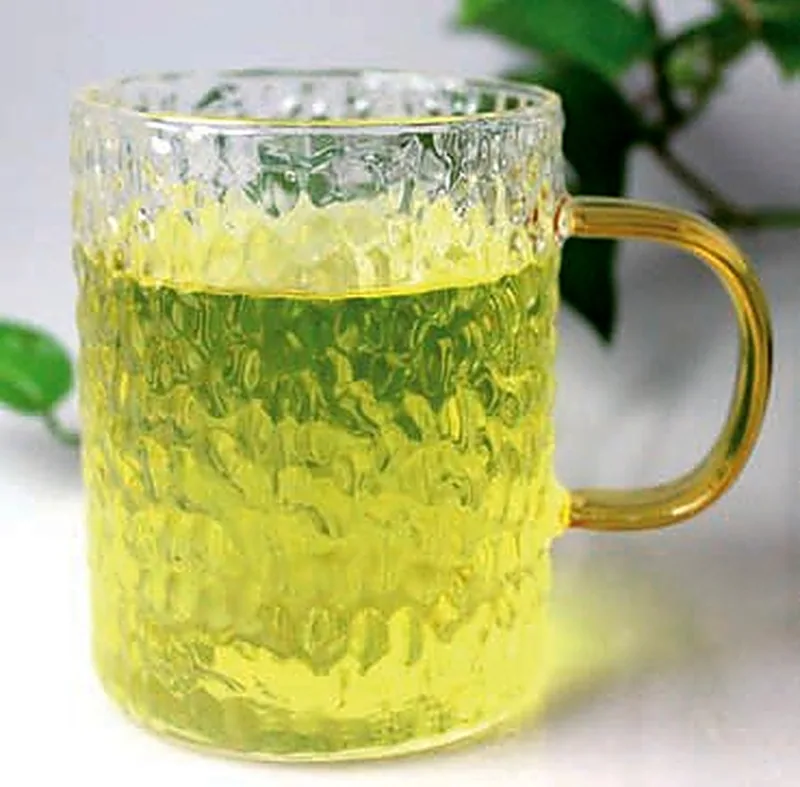
- Textured Glass Mug (TVD-1976): single-wall heat-resistant glass with a hammered texture and a coloured or clear handle. See the TVD-1976 guide.
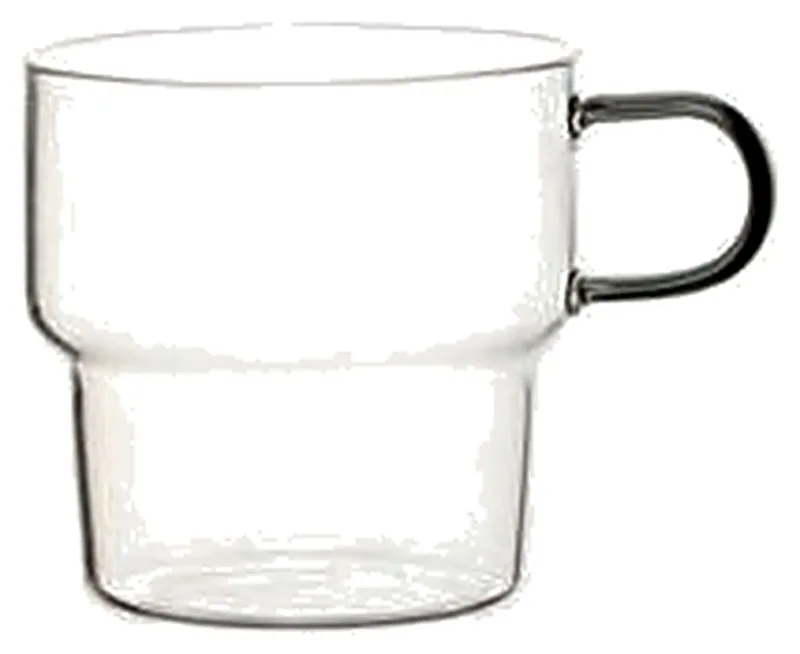
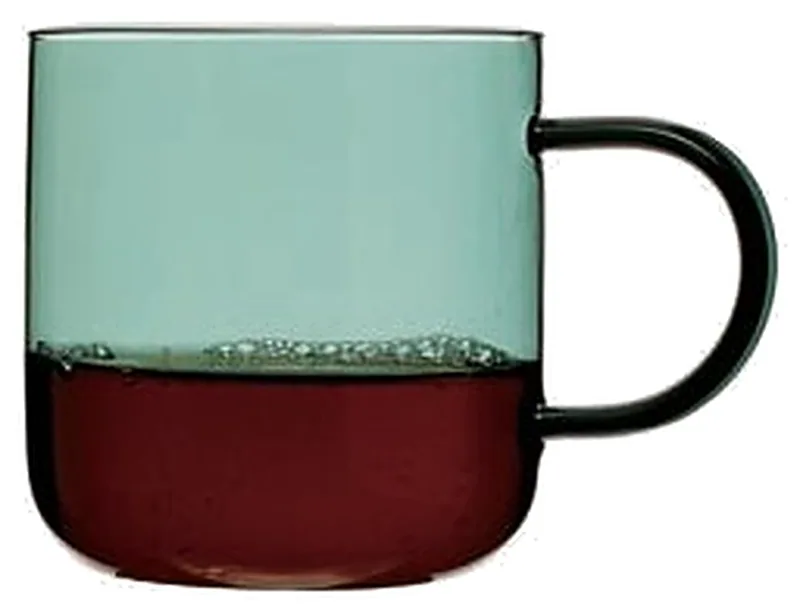
- Stackable Glass Mug – Coloured Handle (TVD-1977) and Round Glass Mug – Coloured Handle (TVD-1978): heat-resistant glass mugs with coloured handles, covered together in the stackable and round mug guide.
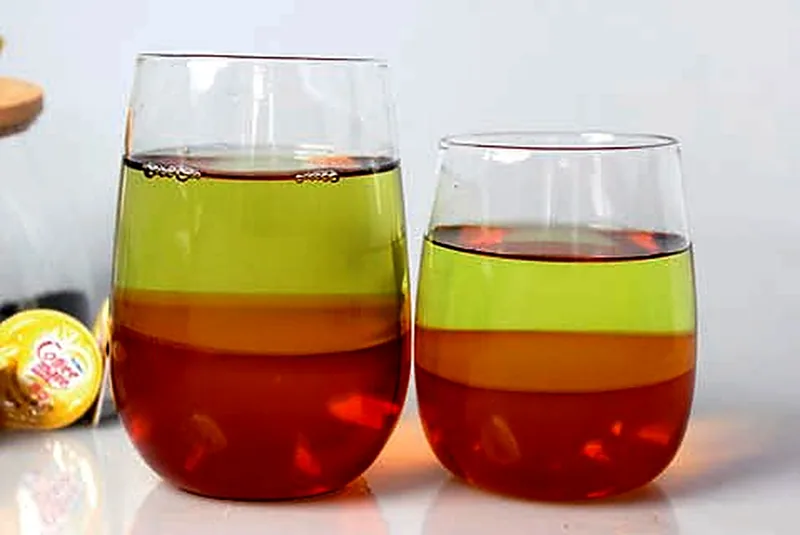
- Stemless Glass – Tinted & Clear (TVD-1980): stemless wine-style glass in clear, green and orange tints. See the TVD-1980 guide.
- Glass Tumblers – Coloured Base (TVD-1981): two-tone colour base, several colours. See the TVD-1981 guide.
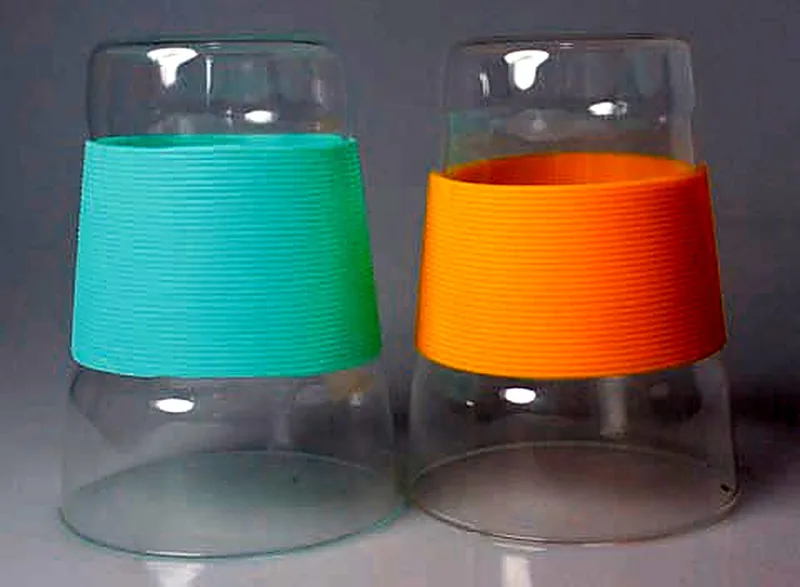
- Glass Tumbler – Silicone Sleeve (TVD-1983): a coloured silicone grip sleeve in teal, yellow, brown and grey. See the TVD-1983 guide.
The line also includes the Glass Tea Cup & Saucer (TVD-1979), which has its own certification and compliance guide, and the Printed Glass Tumblers (TVD-1982).
Rules that apply to the whole line
- Food and Drugs Act. It prohibits selling food in or with materials that may make it harmful. Health Canada does not pre-approve kitchenware. It offers voluntary Letters of No Objection for food packaging materials, and buyers commonly ask the factory for food-contact test reports, such as FDA or EU migration tests.
- Glazed Ceramics and Glassware Regulations. They set limits on lead and cadmium that can leach from glassware that contacts food. Decorated rims and printed or metallic decorations near the lip are a known risk, so ask for a lead and cadmium test report on any coloured or decorated piece.
- Canada Consumer Product Safety Act. It prohibits products that are a danger to human health or safety, requires incident reporting and allows recalls. Health Canada enforces it.
- Consumer Packaging and Labelling Act. Prepackaged consumer products need bilingual English and French product identity and net quantity, plus the dealer's name and place of business.
- Quebec Charter of the French language. Labels, instructions and warranty documents must be available in French, and Quebec retailers will ask for it.
The European CE mark is not proof of compliance in Canada for consumer products. A CE-marked glass still needs to meet the Canadian requirements above. Electrical marks such as CSA, cUL and cETL, explained in our certification marks guide, apply to powered products and do not enter into a plain glass tumbler.
Where the pieces differ
| Piece | What is different | What to ask for |
|---|---|---|
| TVD-1966 ribbed set | Moulded ribbing, several sizes | Food-contact and lead and cadmium report; confirm any decoration is absent |
| TVD-1976 textured mug | Hammered texture, coloured or clear handle | Heat rating in writing; whether handle colour is in the glass or applied |
| TVD-1977 and TVD-1978 mugs | Coloured handles; 1978 has green, aqua, orange and amber tints | Whether colour is in the glass or sprayed; heat rating |
| TVD-1980 stemless glass | Clear, green and orange tints | Tint method and lead and cadmium result for coloured glass |
| TVD-1981 coloured base | Two-tone base colour | How the base colour is applied; dishwasher rating |
| TVD-1983 silicone sleeve | Coloured silicone grip sleeve | Silicone food-contact report, even if the sleeve does not touch the drink; whether the sleeve is removable for washing |
The practical split is between pieces whose colour is inside the glass and pieces whose colour is applied to its surface. Applied colour and decals are what make a lead and cadmium report essential; plain clear glass is the lower-risk case. The line's own buying advice says to confirm whether tinted colour is in the glass or sprayed on, because sprayed colour wears faster in dishwashers.
Document checklist
| Document | Why you want it | Who issues it |
|---|---|---|
| Food-contact test report | Shows the glass and any coating or sleeve suit food contact in your market | Factory or an independent laboratory |
| Lead and cadmium test report | Supports the glassware limits, especially for coloured or decorated pieces | Independent laboratory |
| Product specification sheet | Capacity, glass thickness, heat and dishwasher ratings stated by the factory | Factory, confirmed on our quote |
| Bilingual label proofs | Consumer Packaging and Labelling Act; French for Quebec | You and us, agreed before print |
| Commercial invoice and tariff classification | Duty and taxes by province of delivery | Our customs broker confirms before we quote |
What happens if a document is missing
A large retailer or a franchisor may refuse to list a glass without a test report. A health unit that finds drinkware it cannot trace to safe materials can ask you to stop using it. A product found to be a danger can be the subject of a recall under the Canada Consumer Product Safety Act, and you carry reporting duties as the seller. A missing French label can stop a Quebec shelf listing. None of this is expensive to prevent if the documents are requested at the quote stage.
How we handle it
We do not claim a certification for any of these products. We confirm certification status and supply the documents with the quote before you order. Samples are available on most items so you can test wash and heat behaviour yourself. Import duty depends on the tariff classification and origin, and GST, HST, PST or QST apply by the province of delivery; our broker confirms classification before we quote a delivered cost. See our sales tax guide and the landed cost calculator. To start, read how ordering works and send a quote request listing the codes you need, or browse the full line.