Product guide ·
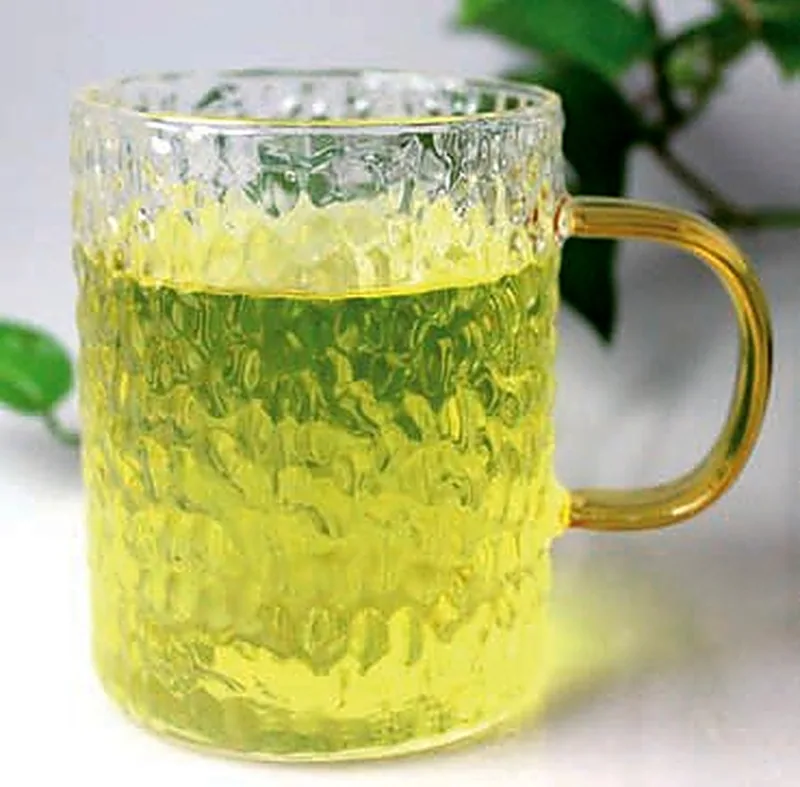
Ribbed Glass Tumbler Set (TVD-1966): Buying Guide for Water and Juice Service
A moulded-ribbed glass in several sizes for water and juice. See who buys it, how to specify it and how it compares with other tumblers in the line.
A ribbed tumbler set for water and juice service
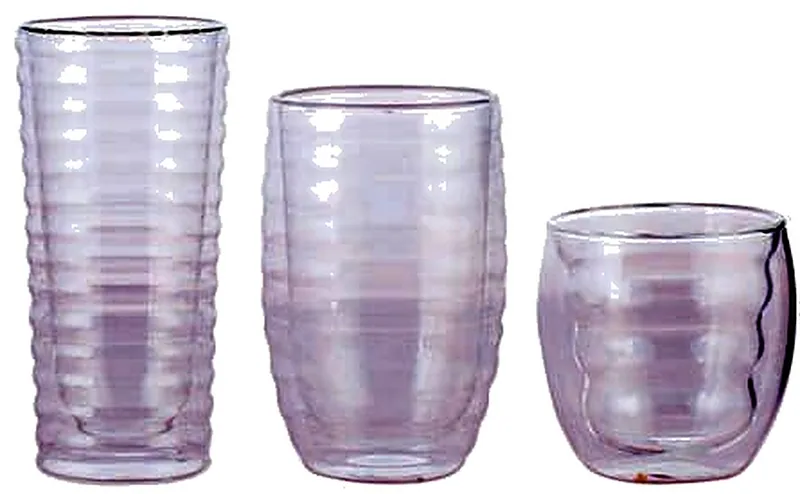
The Ribbed Glass Tumbler Set (TVD-1966) is described in our product listing as horizontal ribbed glass in several sizes, tall to short, for water and juice. That wording tells a buyer three useful things. The ribbing is a moulded surface pattern rather than a print. The set covers more than one capacity, so one product can serve water, juice and perhaps a short pour. And the intended use is everyday cold drinks, not hot beverages or cocktails. Exact capacities, glass thickness and piece counts per set are confirmed on your written quote.
Who buys a ribbed tumbler set
- Cafés and restaurants. Ribbed glass hides fingerprints and light scratches better than smooth glass, which matters on a busy water station. Ask how the glass handles repeated commercial washing before you commit to a large quantity.
- Hotels and breakfast rooms. Tall tumblers for water and shorter ones for juice give a buffet a matched look without two different suppliers.
- Homeware retailers. A set with graduated sizes is easy to merchandise as a boxed gift or a shelf block. Retail packaging, barcode and carton quantity are all points to confirm on the quote.
- Online sellers. Ribbing photographs well because the lines catch light; one clear glass type with several sizes also keeps your variant list simple.
- Households. Everyday glasses with a little texture for grip.
What the listed features mean in practice
Horizontal ribbing. Rings of raised glass run around the body. They add grip when a hand is wet or when a glass has condensation, and they add visual interest without any decoration applied to the surface. For a buyer worried about decoration on drinkware, that is a point in the glass's favour: a moulded pattern is part of the glass itself. If the version you order includes any printed, painted or metallic decoration, especially near the rim, ask for lead and cadmium test results.
Several sizes, tall to short. A tall tumbler is a water or soft drink glass; a short one is a juice glass. The practical question is how the sizes are sold: as one mixed set, or as separate quantities of each size. That changes your carton planning and the way your staff stack the dish room. Ask which, and ask for each size's capacity.
Water and juice glasses. This describes cold service. Do not specify these for hot drinks unless the written quote confirms the glass is rated for it; heat-resistant glass is described on other products in the line such as the Textured Glass Mug (TVD-1976), not on this set.
How to specify it: a checklist
- Capacity of each size and the piece count in a set.
- Material and grade of the glass, and wall thickness.
- Whether the factory rates it for dishwasher use; do not assume it.
- Food-contact test reports for your market, and lead and cadmium results if any decoration is present.
- Whether sizes nest or stack safely in the carton, and how they are separated to prevent chipping.
- Retail packaging type, label language, barcode and carton quantity.
- Minimum order per size, sample availability and lead time.
Comparing it with three other tumblers in the line
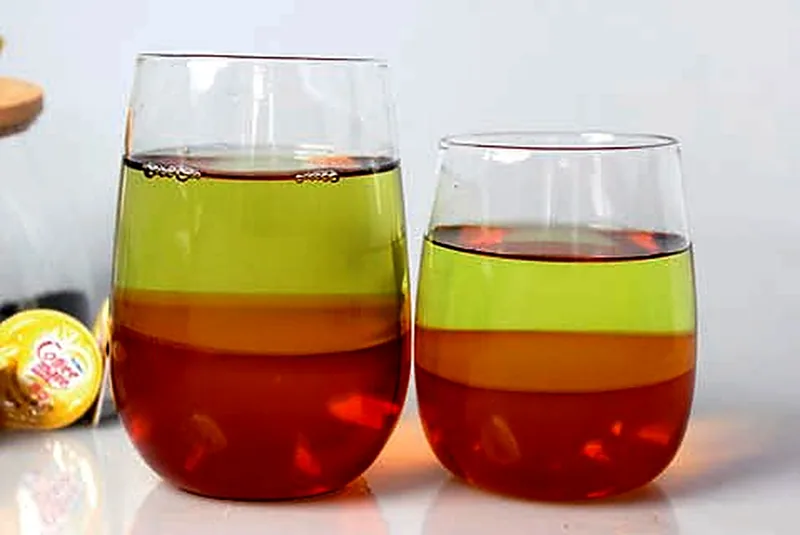
- Glass Tumblers – Coloured Base (TVD-1981): a single-wall tumbler with a two-tone colour base. Choose it when you want colour; choose the ribbed set when you want clear glass with texture. Read the TVD-1981 guide.
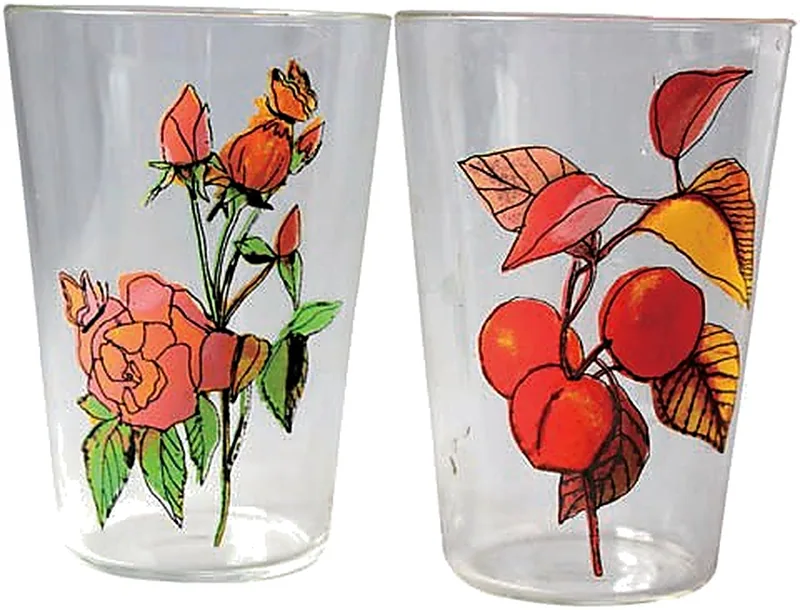
- Printed Glass Tumblers (TVD-1982): floral and animal prints applied as decals. These carry the decoration questions that the ribbed set mostly avoids. See the TVD-1982 guide.
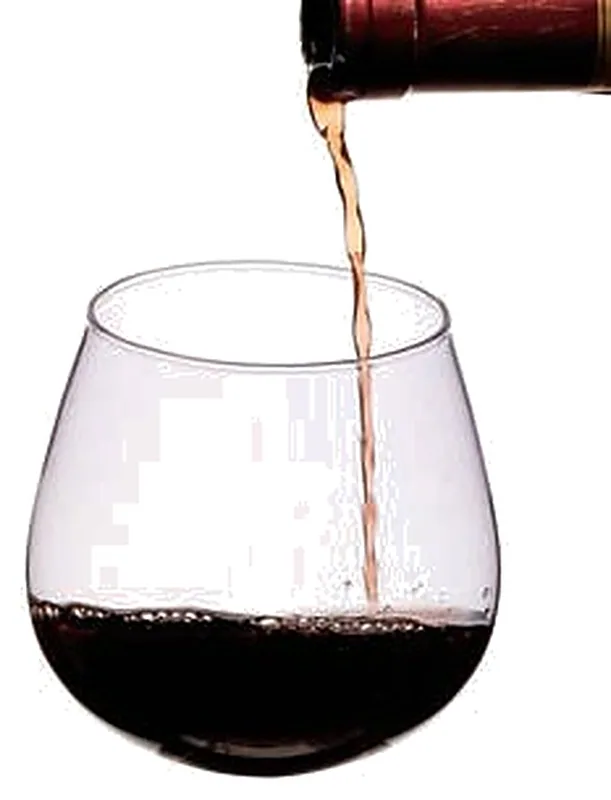
- Stemless Glass – Tinted & Clear (TVD-1980): a wine-style glass, the better fit for a bar or restaurant that serves wine and cocktails. See the TVD-1980 guide.
Canadian use notes
Glass that goes from a warm dishwasher to a cold winter delivery truck is exposed to temperature swings, so ask how it is packed for winter transit. Breakage allowance and carton strength matter more with glass than with most housewares, so ask about both. In Canada, glassware that contacts food falls under the Glazed Ceramics and Glassware Regulations, which limit lead and cadmium that can leach from glassware; plain clear glass is a lower-risk case than decorated glass, but ask for the test report anyway. The Food and Drugs Act also applies to any material that touches food, and Health Canada does not pre-approve kitchenware. If you sell the set prepackaged, the Consumer Packaging and Labelling Act requires bilingual product identity and net quantity plus the dealer's name and place of business, and Quebec retailers expect French on labels and instructions.
Certification and compliance
We do not hold a certification on file for this product. We confirm certification status and supply the documents with the quote before you order. The compliance picture for the whole line is in our single-wall glass compliance guide. Rules change, so confirm the current requirements with the relevant authority, your inspector or your customs broker; this is general information, not legal advice.
How ordering works
Every order is quoted in writing for your quantity and delivery address, with specifications, documents, packing, lead time and delivered cost. Samples are available on most items and the sample cost is usually credited to the first order. Payment is 30% deposit, 70% before release. Start with how ordering works and send a quote request. Use the landed cost calculator to plan freight and duty, and browse the full glass cups and tumblers line to see what can share the container.