Certification guide ·
Melamine Resilient Plank Flooring TVD-1441: Certification and Compliance for Canada
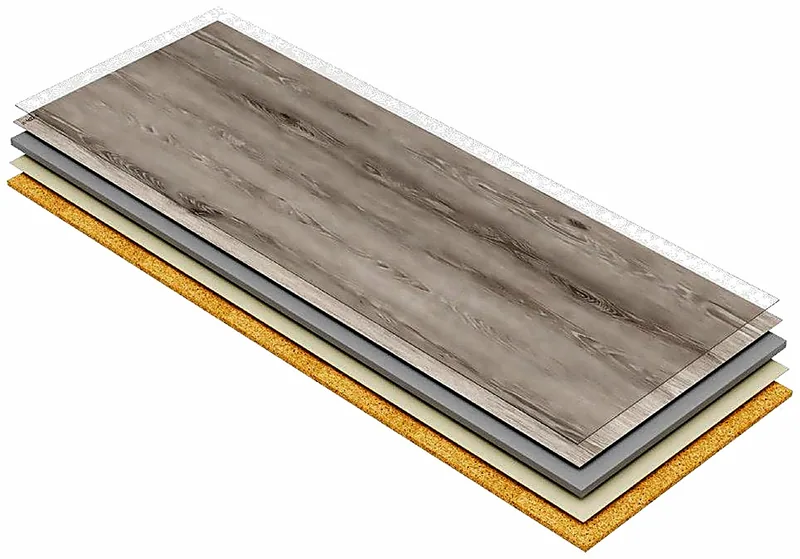
A wood-look melamine surface on a rigid core with cork or foam backing. The mix of materials is the reason its paperwork needs a closer look.
The listing for Melamine Resilient Plank Flooring (TVD-1441) has three lines: a wood-look melamine surface layer, a rigid core with cork or foam backing, and scratch-resistant, pet-friendly. For what the floor is and how to use it, see the TVD-1441 buying guide. This page covers certification and the documents a Canadian buyer should require.
Where TVD-1441 stands
No certificate is on file for TVD-1441. We make no claim that it is certified, approved or compliant with any Canadian standard, and "scratch-resistant" and "pet-friendly" are product descriptions from the listing, not test results we can show. We ask the factory for documents, tell you what exists in writing and send the paperwork before you order.
Material by material
Melamine surface layer. Melamine is a resin used to seal a printed wood-look layer. It is the reason the surface resists scratches. For Canada, the surface is a coating-like layer on a consumer product, so the general safety prohibition in the Canada Consumer Product Safety Act applies, and buyers serving schools or daycares sometimes ask for coating test reports for lead and mercury as a precaution.
Rigid core. The listing does not say what the core is made of. If it contains composite wood, then Canada's formaldehyde emission rules apply: emission limits, certification by an approved third-party certifier and labelling. If it is a mineral-plastic core, the rules differ. This is the first question for the factory, because the answer decides which certificate you need.
Cork or foam backing. A backing layer is an attached underlay in effect. Ask what it is, what thickness it has and whether it is suitable under the building's use, for example in a multi-storey building where sound transmission is checked. Adhesives used to bond layers are another thing to ask about.
Flame spread and the building code
The National Building Code of Canada, adopted with changes by each province, limits flame spread on interior floor coverings, tested to CAN/ULC-S102.2. The limit depends on the building use and location; corridors and exits are the strictest. An ASTM E84 report is the US test, and Canadian officials may review it case by case. A private home rarely raises the question, while a commercial or multi-unit corridor may.
Pet-friendly: what the phrase can and cannot carry
"Pet-friendly" is a marketing description. It suggests the surface resists claws and cleans easily. No Canadian standard certifies a floor as pet-friendly, so ask for abrasion and scratch test data and a stain and cleaning guide. If a landlord or property manager will rely on the claim, put the test results in the file.
Document checklist
| Document | Why you need it | Who issues it |
|---|---|---|
| Core and backing description with material names | Decides whether composite wood rules apply | Factory; confirmed on our quote |
| Formaldehyde certificate, if the core has composite wood | Composite wood emission regulations | Approved third-party certifier |
| Flame-spread report (CAN/ULC-S102.2, or E84 for review) | Building officials check floor coverings | Accredited test laboratory |
| Abrasion and scratch test data | Supports surface claims | Test laboratory |
| Bilingual carton labels | Consumer Packaging and Labelling Act; Quebec French rules | Factory artwork approved by you |
| Installation and care instructions in English and French | Warranty; Quebec language rules | Factory |
Questions to ask the factory first
Four questions will move this file further than any other. What is the rigid core made of, in material names and not trade descriptions? What is the cork or foam backing, and how thick is it? Which test reports exist for flame spread, abrasion and scratch resistance, and when were they issued? And does the factory have a formaldehyde certificate that names this model? Written answers to these let us write a quote that states what exists and what does not.
Provincial differences
Building codes are adopted with changes by each province, and Quebec, Ontario, British Columbia and Alberta have their own, so the applicable flame-spread limit and the inspecting authority differ. In Quebec, the Charter of the French language expects French on labels, instructions and warranty papers. Rules for the product itself, such as formaldehyde, are federal.
What happens if something is missing
An inspector can refuse a floor that has no flame-spread report where one is required. A retailer may decline cartons with non-bilingual labels. A missing formaldehyde certificate, where it applies, can stop stock being sold. A landlord relying on a "pet-friendly" claim without test data can face a dispute with a tenant.
How we handle it
Each quote is written and states certification status, the documents to follow, packing, lead time and delivered cost. We confirm tariff classification with our customs broker before quoting delivered cost, and sales tax follows the province of delivery. Payment is 30% deposit and 70% before release, so you will know the document position before the second payment. For the whole range, read the resilient and click flooring compliance guide. For colour options, see Oak-Look Plank Flooring: Grey (TVD-1444) and its collection guide; for tile, Stone-Look Tile Flooring (TVD-1450); for a harder core, SPC Click Vinyl Plank Flooring (TVD-1455). Send a quote request to begin. Rules change, so confirm with your inspector or customs broker. This is not legal advice.