Certification guide ·
Printed Glass Tumblers TVD-1982: Certification and Compliance in Canada
Decal-printed floral and animal tumblers sell well, but decoration on glass is exactly where Canadian food-contact rules look hardest. Here is what to ask for before TVD-1982 lands on your shelf or bar.
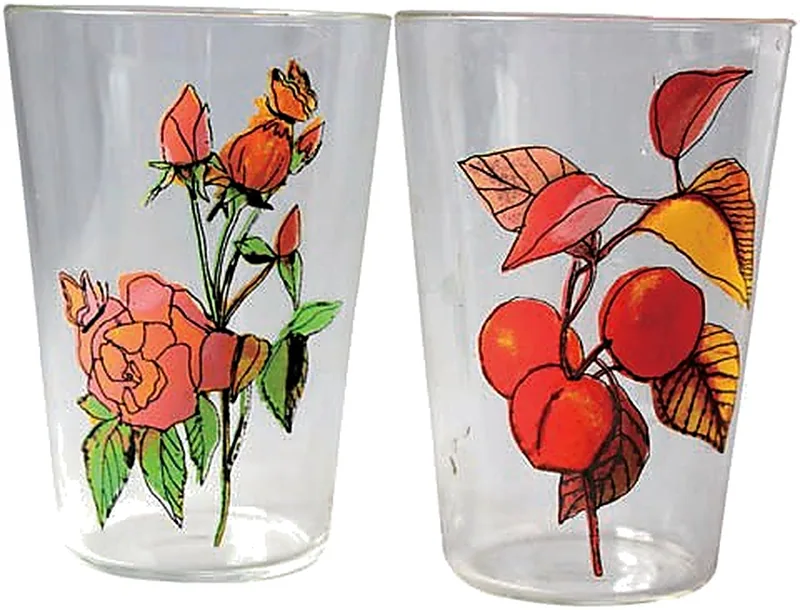
The Printed Glass Tumblers (TVD-1982) are single-wall glass tumblers carrying floral and animal prints applied as decals. That short description tells a Canadian importer three things: the piece touches drinks, it is made of glass, and it is decorated. Each of those triggers a different question, and this guide walks through them in the order an inspector, a retail buyer or a customs broker is likely to raise them. For the commercial side (who buys it and how to specify it), read the companion wholesale buying guide for TVD-1982.
Is a certification mark on file for TVD-1982?
No. We hold no certification mark or test report for this tumbler at the time of writing, so we do not describe it as certified, approved or compliant with anything. What we do is confirm the certification status and supply the documents with the quote, before you order. If a report exists for the version you are buying, it will be named on the quote with its date and the lab that issued it.
It is also worth saying what is not needed. A plain drinking glass has no plug, no battery and no gas connection, so the electrical and gas marks explained in our CSA, cUL and cETL guide do not apply to it. The rules that matter here are about materials, decoration and labelling.
Which Canadian rules apply to a decorated glass tumbler
- Glazed Ceramics and Glassware Regulations (under the Canada Consumer Product Safety Act). These set limits on lead and cadmium that can leach from glassware that contacts food. Decorated rims and printed or metallic decoration close to the lip are the known risk area, which is why printed glass attracts more scrutiny than plain glass.
- Food and Drugs Act. It prohibits selling food in or with materials that may make it harmful. Health Canada does not pre-approve kitchenware, so the practical proof is a food-contact test report from the factory or a lab.
- Canada Consumer Product Safety Act. It prohibits consumer products that are a danger to health or safety, requires incident reporting and allows recalls. A tumbler with a chipped or cracked rim is a safety complaint waiting to happen, so packing and breakage tolerance matter too.
- Consumer Packaging and Labelling Act. If the tumblers are sold prepackaged to consumers (a boxed set, for example), the label needs bilingual English and French product identity and net quantity, plus the dealer's name and place of business.
- Quebec Charter of the French language. Labels, instructions and warranty documents sold in Quebec must be available in French, with French at least as prominent.
Rules change, and this is not legal advice. Confirm the current requirements with Health Canada, your provincial authority or your customs broker before you commit to an order.
Why decal printing is the question to settle first
Our product listing says the designs are decal-printed. A decal is a transfer that is fixed to the glass surface, and the inks or enamels in it can contain metals. Where the print sits matters: a design on the lower body of a tumbler is a different risk from a print that reaches the drinking edge. Ask the factory, in writing, for the following:
- Where the decoration stops relative to the rim of the tumbler, and whether any print sits within the lip area.
- A lead and cadmium test report on the finished, decorated piece, not only on the plain glass blank.
- Whether the decal is fired onto the glass or applied cold, because that decides how well it survives repeated washing.
- Whether the same report covers every print design in your order, or only one of them.
Dishwasher, microwave or freezer suitability is not stated in our product listing, so we make no claim about it. Confirm it on the quote if your customers will wash these in a commercial dishwasher, and get it in writing before calling the print wash-proof.
Document checklist for TVD-1982
| Document | Why you want it | Who issues it |
|---|---|---|
| Lead and cadmium test report on decorated pieces | Shows the printed glass meets the Canadian limits for leaching | Accredited testing laboratory, arranged through the factory |
| Food-contact migration report (FDA or EU style) | Supports the Food and Drugs Act duty not to sell food in harmful materials | Testing laboratory |
| Print placement drawing or photo with rim clearance | Lets you check that decoration stays away from the lip | Factory |
| Bilingual retail packaging proof | Needed if the tumblers are sold prepackaged to consumers | You, with our packing team, before production |
| French-language label or insert | Quebec retailers will ask for it | You or us, agreed on the quote |
| Written quote with certification status | Records what is and is not on file for the version you order | Thames Valley Distribution |
What happens if the paperwork is missing
Because Health Canada does not pre-approve kitchenware, there is rarely a gate at the border that stops a glass tumbler. The risk arrives later. A large retailer's compliance team can refuse to list a decorated glass product without a lead and cadmium report. A restaurant group or hotel can ask for the same file during procurement. If a consumer complaint or an unsafe-product finding follows, the Canada Consumer Product Safety Act allows recalls, and the cost of a recall of decorated glassware (returns, destruction, lost shelf space) is far larger than the cost of testing at the start.
Other tumblers in the line, if the print is the problem
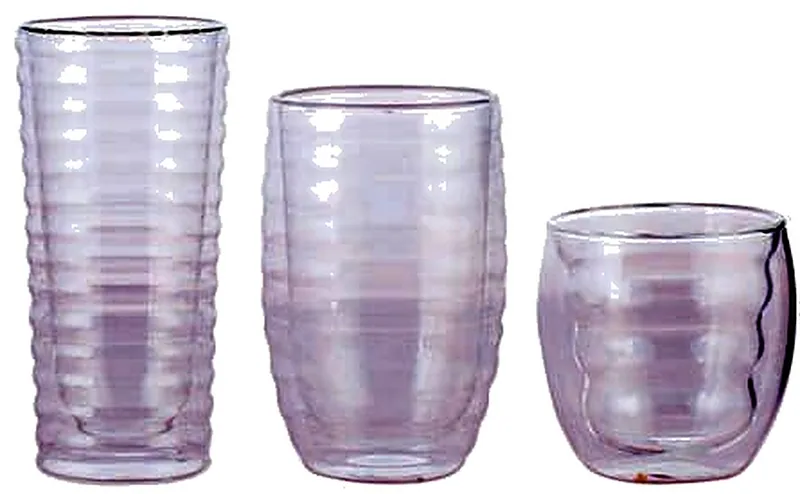
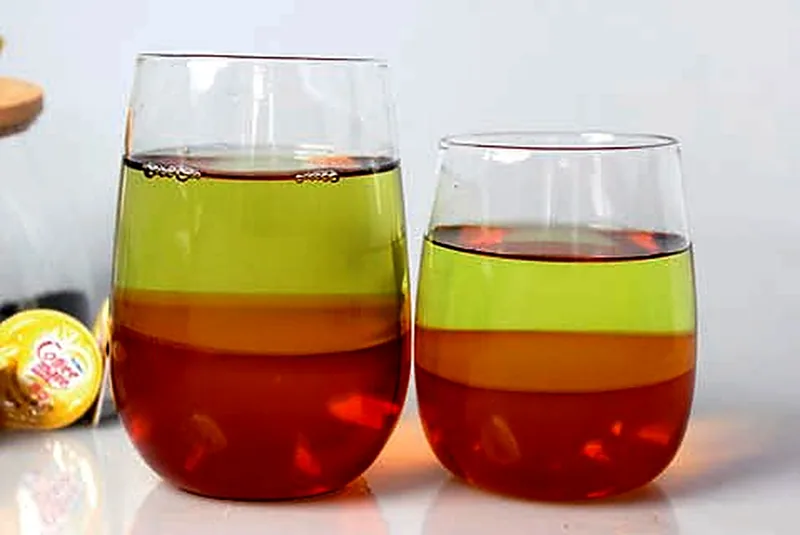
If a decorated surface is more paperwork than your channel wants, the same line includes undecorated options. The Ribbed Glass Tumbler Set (TVD-1966) has horizontal ribbing instead of printed decoration, and the Glass Tumblers with a Coloured Base (TVD-1981) use a two-tone base. Both still need food-contact documents, but the decoration question is simpler. For the rules shared by the whole range, see the single-wall glass cups and tumblers line and the line-wide compliance guide.
How we handle it, and how ordering works
Every order is quoted in writing. The quote states the specification, the certification status and documents, packing, lead time and delivered cost to your address, and duties and taxes follow the province of delivery, as explained in the sales tax by province guide. Many lines have low trial minimum order quantities, samples are available on most items with the sample cost usually credited to the first order, and payment is a 30% deposit with the 70% balance before release. Start from the quote request and mention that you need the decoration reports; the ordering guide explains each step.