Certification guide ·
Carpet-Look Self-Adhesive Floor Stickers TVD-1542: Certification and Compliance in Canada
A vinyl floor that imitates a textile prompts a question the plain wood looks do not: which rulebook is it under?
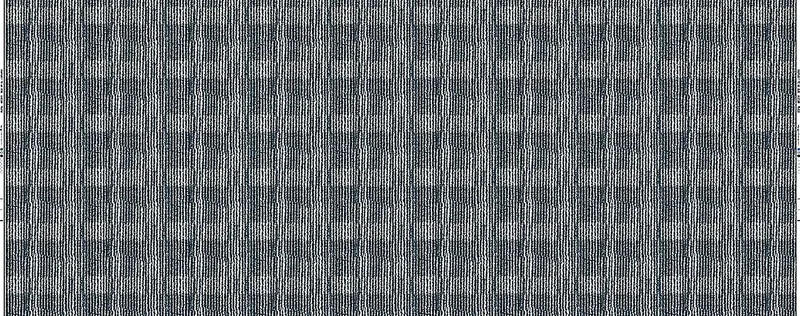
The listing for Self-Adhesive Floor Stickers: Carpet Look (TVD-1542) reads self-adhesive peel-and-stick vinyl, woven carpet-look patterns, blue, grey and brown colourways. It is a vinyl floor that looks like a woven mat. For what it is and where to use it, read the TVD-1542 buying guide. This page is for the paperwork, and it starts with a question: textile rules or flooring rules?
Where TVD-1542 stands
No certificate is on file for TVD-1542. We do not describe it as certified, approved or compliant with any Canadian standard. Our listing is a plain description. Before an order is placed we ask the factory for documents, tell you in writing what exists and send what we have. If you need a specific report, put it in the quote request.
Question 1: textile or vinyl?
Canada's Textile Labelling Act covers consumer textile articles, such as bedding, mats and upholstery fabrics sold as textiles, and requires fibre-content and dealer identity labelling. A floor sticker whose surface is printed vinyl does not look like a textile article in the ordinary sense: the carpet pattern is a picture, not a fabric. But the point is a fact question, not an assumption. We ask the factory to state in writing what the product is made of, including any fabric or flocked layer. If any component is a textile, labelling under that Act enters the discussion. If it is vinyl throughout, it follows the vinyl route. Ask your customs broker or the authority if your own use is unusual.
Question 2: flame spread for floor coverings
The National Building Code of Canada, adopted with changes by each province, limits flame spread on interior floor coverings, tested to CAN/ULC-S102.2. The limit depends on the building use and location: exits and corridors are strictest. A rental bedroom seldom raises the issue; a commercial or multi-unit corridor may. An ASTM E84 report is the US test, which Canadian officials may review case by case. A decorative carpet-look piece is often used in entries and small public spaces, so ask for the report where your use is not a private home.
Question 3: the adhesive
The adhesive layer is part of the product. We ask the factory what the adhesive is, for the safety data sheet and for any emission data, and we pass on what exists. A floor laid in an occupied suite or a shop is one that people live and work beside, so it is a reasonable thing for a landlord or a store owner to ask about.
Question 4: what the listing does not claim
The wood and stone designs in this line list waterproof, scratch and skid resistant construction. This listing does not. So we do not repeat those claims for TVD-1542. If a buyer needs the piece to resist water or slipping, ask the factory for the facts and test reports, and decide on that evidence. No Canadian regulation certifies a floor as waterproof or skid resistant, so a claim you repeat becomes yours.
Question 5: electrical?
A peel-and-stick floor is not an electrical product, and no electrical certification applies to it. The only electrical question comes up if a customer wants to lay it over underfloor heating: then the floor must be rated for use over heat, and the heating equipment needs Canadian electrical marks or a field evaluation. Ask the factory for a written statement. See CSA, cUL and cETL marks explained for the heating side.
Document checklist
| Document | Why you need it | Who issues it |
|---|---|---|
| Written construction statement: vinyl only, or with a fabric layer | Decides whether textile labelling applies | Factory; confirmed on our quote |
| Flame-spread report, CAN/ULC-S102.2 (or E84 for review) | Building officials check floor coverings | Accredited test laboratory |
| Adhesive description and safety data sheet | Installer and occupant safety | Factory |
| Over-heat suitability statement, if needed | Warranty and safety | Factory |
| Installation instructions in English and French | Warranty; Quebec language rules | Factory |
| Bilingual carton labels | Consumer Packaging and Labelling Act | Factory artwork approved by you |
Provincial differences
Building codes differ by province, and Quebec, Ontario, British Columbia and Alberta have their own. Quebec buyers should expect French on labels, instructions and warranty papers under the Charter of the French language. Rules for labelling and product safety are federal.
What happens if something is missing
An inspector may refuse a floor without a flame-spread report where one is required. A retailer can decline cartons with non-bilingual labels. A label that gets the product's nature wrong, textile or vinyl, invites a complaint. A repeated waterproof claim with no report behind it becomes the seller's problem.
How we handle it
Every quote is written and states certification status, documents to follow, packing, lead time and delivered cost. Our customs broker confirms tariff classification before we quote delivered cost, and tax follows the province of delivery; see the sales tax guide. Payment is 30% deposit and 70% before release. The wider rules for the line are in the self-adhesive vinyl compliance guide. For related products, see Grey Wood (TVD-1535), the sticker collection guide and the 24-piece pack guide. Start with a quote request. Rules change, so confirm with your inspector or customs broker. This is not legal advice.