Product guide ·
Silicone Flower, Heart and Assorted Flower Mould Trays: A Wholesale Guide
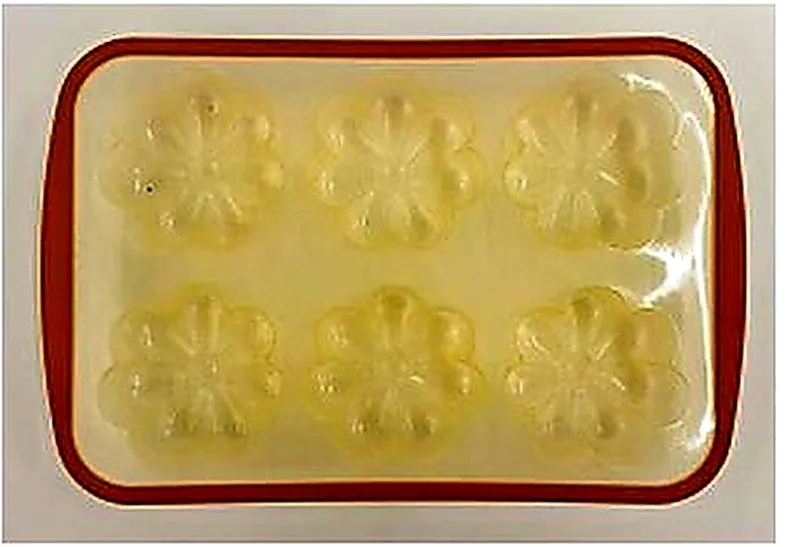
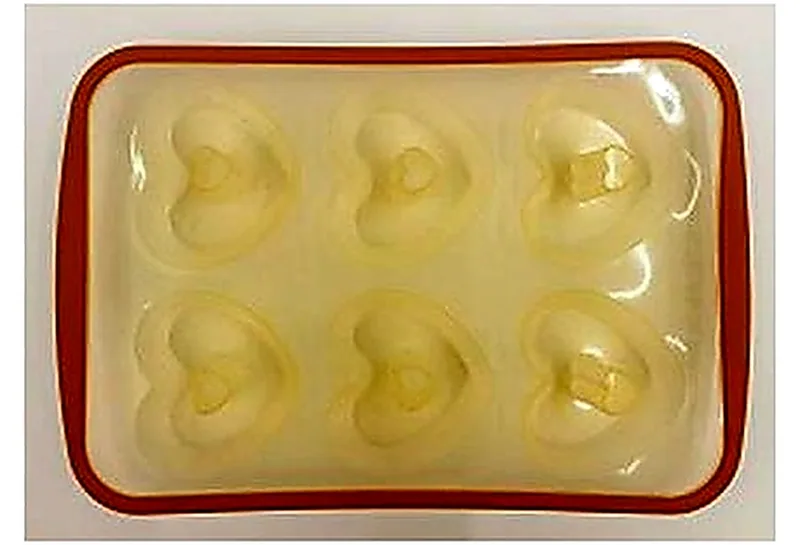
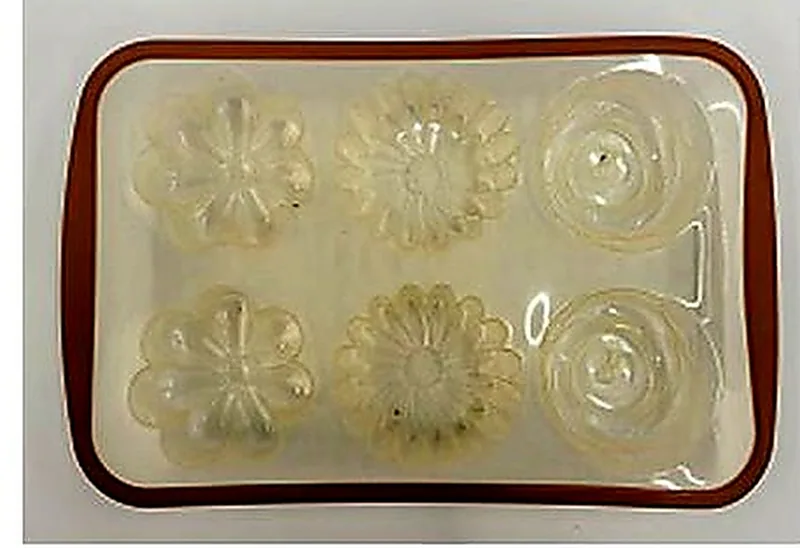
TVD-2849, TVD-10742 and TVD-10743 are cream silicone mould trays with a terracotta rim, all listed at 28.8 x 19 cm. Here is how the flower, heart and assorted trays differ and how to stock them.
A tray format you can plan around
The three products in this guide share a footprint, which is unusual in mould ranges where every shape has its own size. Silicone Flower Mold Tray (TVD-2849), Silicone Heart Mold Tray (TVD-10742) and Silicone Assorted Flower Mold Tray (TVD-10743) are all listed as 28.8 x 19 cm trays in cream silicone with a terracotta rim, and each comes in several styles. Because the outside dimensions match, one carton layout, one shelf peg or one display tray can hold any of the three, and a buyer can swap shapes between seasons without redesigning the fixture.
What differs is the pattern pressed into the tray. The flower tray carries one flower design, the heart tray carries hearts, and the assorted flower tray mixes flower shapes in a single tray. The cavity depths, counts and volumes are not in the summary we publish, so they are confirmed on your written quote.
Flower, heart or assorted: how to choose
| Tray | Code | Pattern | Best for |
|---|---|---|---|
| Silicone Flower Mold Tray | TVD-2849 | Flower design | Spring and garden displays, Mother's Day, everyday baking shelves |
| Silicone Heart Mold Tray | TVD-10742 | Heart design | February and wedding-season shelves, gift baskets |
| Silicone Assorted Flower Mold Tray | TVD-10743 | Mixed flower shapes in one tray | Shoppers who want variety without buying several trays |
If you can stock only one, the assorted flower tray gives the most variety per piece, while the heart tray has the strongest seasonal pull. Many retailers take a flower tray for the year-round shelf and add the heart tray in the weeks before Valentine's Day.
Who buys 28.8 x 19 cm trays
- Gift shops pair a tray with cocoa, candy melts or a baking mix and sell it as a ready-made present. The cream colour with a terracotta rim photographs warmly and suits a craft or gift display.
- Cafés and small bakeries that make their own treats can use trays as a repeatable shape for a signature item. Ask for the factory's temperature range before you plan hot bakes, and confirm the trays suit your oven shelf.
- Home-goods retailers will find the trays a low-bulk addition beside round and loaf moulds; see our round cake pan and muffin mould family for matching shapes.
- Online sellers benefit from a flat, uniform parcel size; the matching footprint makes box and postage planning simple.
Flat trays and freight
A flat tray is easier to pack than a deep mould, but flexible silicone does not stack evenly if the carton is loose. Ask for the carton quantity and size for each code and whether trays are individually bagged or sleeved. Ocean freight from Asia typically lands at Vancouver or Prince Rupert and moves on by rail or truck, so plan lead time into your seasonal calendar: a heart tray ordered in January will not be on shelves in February. Winter delivery matters too, because cartons left on an unheated dock can arrive damp; mention your receiving conditions when you request a quote.
Colour, rim and what to ask the factory
All three trays are cream with a terracotta rim, so the question is how the two colours are produced. Ask whether the rim is a separate coloured section or a single pour, and ask that any test report covers both colours. Printed or metallic decorations near the edge of food-contact items are a known risk area for lead and cadmium in glazed ceramics and glassware, and although these trays are silicone, it is still reasonable to ask for a lead result on the coloured parts. If a tray has any printed or applied decoration beyond the listed colours, ask for it to be declared in writing.
The Food and Drugs Act prohibits selling food in or with materials that may make it harmful, and Health Canada does not pre-approve kitchenware. Retailers therefore ask the factory for food-contact reports, such as FDA or EU migration tests. No certification is on file for these trays; we confirm which reports exist and supply the documents with the quote before you order. Rules change, so check with Health Canada or your compliance team. This is not legal advice. Our bakeware compliance guide for decorated and coloured pieces covers the questions in more depth.
Specifying the order
- Choose styles for each code and agree what happens if the factory has to substitute a similar style.
- Confirm cavity count, depth and the stated oven, freezer and dishwasher ratings.
- Decide on the retail wrap: a sleeve, a header card or an open tray, plus barcode placement.
- Ask for bilingual labelling. Prepackaged consumer goods need English and French identity and net quantity, and Quebec buyers will ask for French on instructions.
- Confirm carton quantity, minimum order per item and colour, sample availability and lead time.
Ordering and delivery in Canada
Every order is quoted in writing for your quantity, specifications, packing, lead time and delivered cost to your address. Samples are available on most items and the sample cost is usually credited to your first order. Payment is a 30% deposit and 70% before release, and trays can ride in a consolidated container with products from other factories. See how ordering works for each step, use the landed cost calculator to plan your budget, and check the provincial sales tax guide for the tax that applies at your delivery address. A free account on the product pages shows the full specifications.
To compare other shapes, look at the heart-shape cake mould range and the marble crown and animal moulds, or browse the whole bakeware and ice moulds line. When you are ready, send a quote request.