Product guide ·
Silicone Round Cake Pan, Muffin Mould and Loaf Mould: Buying the TVD-2848 Family
Three silicone moulds with a terracotta-colour rim share one specification: a round cake pan, a 4-cup muffin mould and a 6-cavity loaf mould. This guide shows how they differ and how a retailer can order them together.
One specification, three shapes
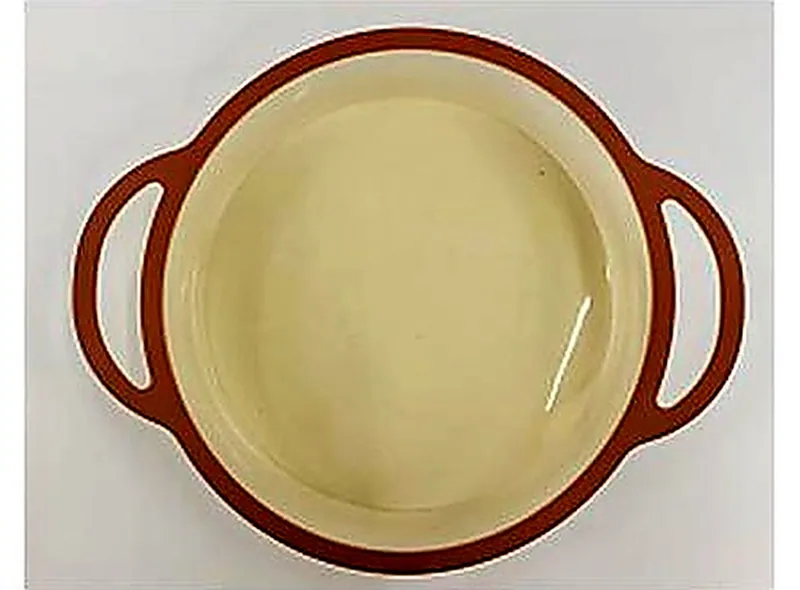
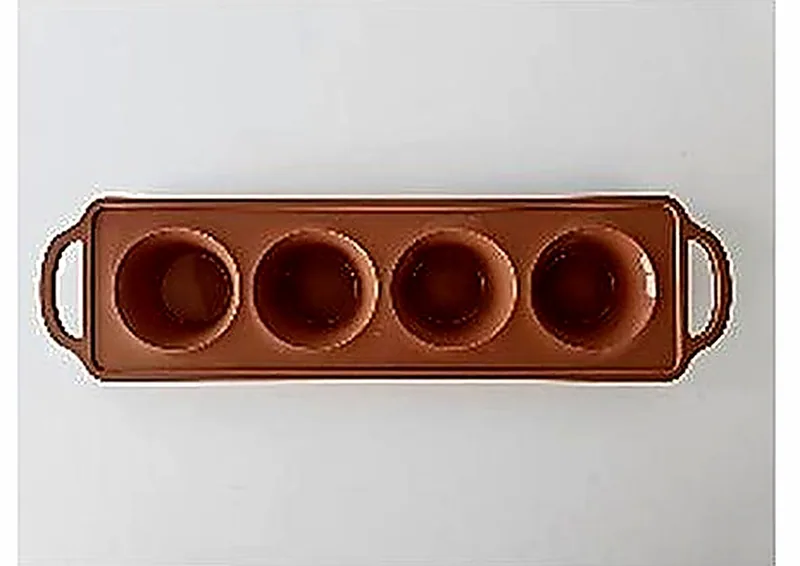
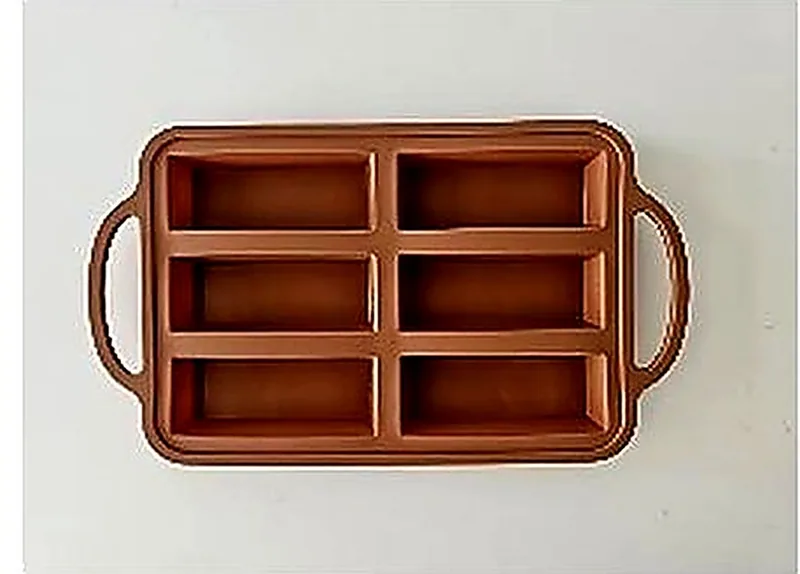
Silicone Round Cake Pan (TVD-2848), Silicone Muffin Mold, 4-Cup (TVD-10740) and Silicone Loaf Mold, 6-Cavity (TVD-10741) share the same specification in our product listing: round cake, 4-cavity and loaf forms in silicone, finished with a terracotta-colour silicone rim. They are not three different materials or three quality levels. They are three names for one family, and what changes on the shelf is the shape of the cavity and how many cavities the mould has. Each code also comes in several styles, so the exact style you receive is confirmed on your written quote.
That shared specification shapes how you buy. A shop that stocks only the round pan misses the shopper who wants muffins; a buyer who orders all three builds a small bakeware bay where the terracotta-colour rim ties the pieces together at a glance, even though the bakes are different.
The three moulds side by side
| Product | Code | Form | What it adds to a bakeware bay |
|---|---|---|---|
| Silicone Round Cake Pan | TVD-2848 | Round cake form | The anchor piece: the mould most shoppers associate with a birthday or Sunday cake |
| Silicone Muffin Mold, 4-Cup | TVD-10740 | 4-cavity muffin form | Small-batch baking and portion control; a natural add-on to the round pan |
| Silicone Loaf Mold, 6-Cavity | TVD-10741 | Loaf form (the name states six cavities) | Mini loaves and banana-bread style bakes; the busiest looking mould of the three |
Exact diameters, cavity volumes, depths and weights are not part of the summary we publish, so they are confirmed on your written quote. If you need to plan shelf facings or carton counts, ask for the dimensions of each code before you commit to a mix.
Which one suits which retailer
- Kitchenware and department stores usually want the full trio so the bakeware wall reads as a range. Start with the round pan as the largest facing and place the muffin and loaf moulds beside it.
- Discount and variety chains tend to sort by simple, recognisable shapes. The round cake pan and the 4-cup muffin mould are easy to explain on a shelf strip; the loaf mould suits a slightly more premium shelf position.
- Gift and seasonal shops can pair a mould with a bag of baking mix or a recipe card to create a gift bundle, using the terracotta-colour rim as the colour cue.
- Online sellers can list the three as a variation set under one product page, which keeps reviews together and makes bundle offers simple.
The terracotta-colour rim: questions to ask
The coloured rim is the most visible feature of this family and the part a buyer should ask about. Ask whether the colour is mixed through the silicone or applied as a separate coloured part, and ask that any food-contact test report covers the coloured portion as well as the main body. Canada's lead limits for consumer products include kitchen utensils and products for young children, so also ask whether the report covers lead in coloured components. A factory that tests only the plain body has not tested the part that ships with the strongest colour.
Food-contact paperwork for silicone bakeware
The Food and Drugs Act prohibits selling food in or with materials that may make it harmful. Health Canada does not pre-approve kitchenware, so nobody issues a stamp for these moulds in advance. Buyers instead ask the factory for food-contact test reports, for example migration tests to US FDA or EU methods, and large retailers often keep those reports on file. Health Canada does offer voluntary Letters of No Objection for food packaging materials, but that is a different route from bakeware.
No certification is on file for any of these three codes. We confirm the test reports that exist, the stated oven and freezer temperature range, and whether the factory rates the moulds for dishwasher use, and supply the documents with the quote before you order. Rules change, so confirm requirements with Health Canada or your own compliance team; this is not legal advice. For the wider picture across bakeware and ice moulds, read our guide to bakeware compliance for coloured and decorated pieces.
Checklist before you request a quote
- Which of the several styles you want for each code, and the colour range you will accept.
- Dimensions and capacity of each mould, and whether the 4-cavity and 6-cavity counts match your packaging copy.
- Oven, freezer and dishwasher ratings as stated by the factory.
- Food-contact test reports and whether they cover the terracotta-colour rim.
- Retail packaging: sleeve, label or header card, barcode, and carton quantity and size.
- Minimum order per item or colour, sample availability and lead time.
Packaging and labels for the Canadian shelf
If you sell the moulds prepackaged, the Consumer Packaging and Labelling Act requires bilingual English and French product identity and net quantity, plus the dealer's name and place of business. In Quebec, instructions and any warranty text must also be available in French under the Charter of the French language, and Quebec retailers will ask for it. Tell us at the quote stage which sleeves or labels you want so the artwork is right before production.
Mixing the three in one order
Because the three codes share a specification, they pack and ship together without surprises. Many lines carry low trial minimums, samples are available on most items and the sample cost is usually credited to your first order. These moulds can also travel in a consolidated container with other products from other factories, which helps when you are not ready to fill a whole container with silicone. Payment is a 30% deposit with the balance due before release, and delivery goes to your store, warehouse or site anywhere in Canada. The steps are on our how ordering works page, and you can see the whole range on the bakeware and ice moulds line page. A free account shows the full specifications on each product page.
Delivery, duties and neighbouring products
Pricing is quoted in writing for your quantity and delivery address, and GST, HST, PST or QST apply according to the province of delivery; our sales tax guide explains how, and the landed cost calculator helps you plan. Duty depends on tariff classification and origin, which our customs broker confirms before we quote a delivered cost. If you want a shape that departs from round, loaf and muffin, compare the flower and heart mould trays, the heart-shape cake mould family or the popsicle mould range, then send everything in one quote request.