Certification guide ·
Stainless Steel Apple Slicer (TVD-10736): Canadian Compliance Checklist for Importers
A hand gadget in carded packs needs no electrical mark, but it still raises food-contact, lead, labelling and safety questions. This is the checklist a Canadian retailer or importer should work through.
Where the Stainless Steel Apple Slicer stands
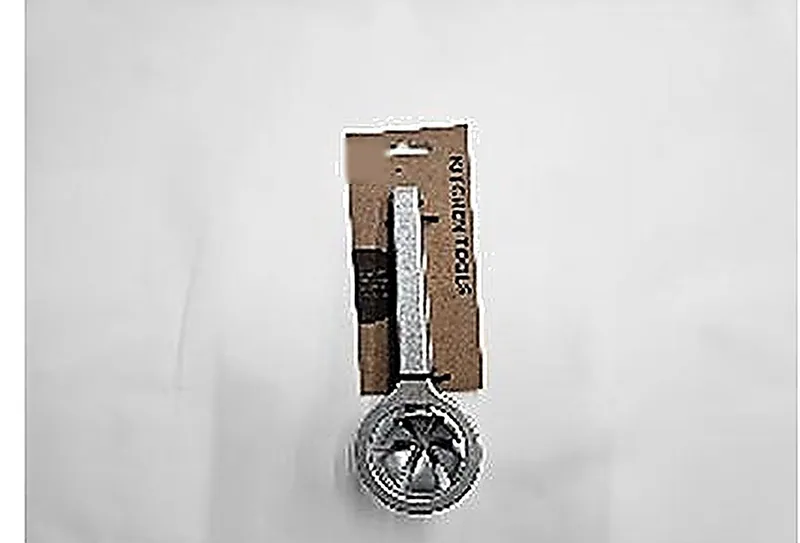
The Stainless Steel Apple Slicer (TVD-10736) comes in carded packs and several styles, and our product listing for the code also mentions a black sink strainer. No certification or test report is on file for this code, and we make no claim that it is certified, approved or compliant with any standard. What follows is the list of requirements a Canadian buyer should expect to meet for a stainless steel kitchen gadget, and the documents to ask for. We confirm certification status and supply the documents with the quote before you order. The commercial side is in our wholesale buying guide for TVD-10736.
Does any electrical or gas rule apply?
As described, the item is a manual gadget with no powered, battery or heated part, so the Canadian electrical rules, which require a certification mark from a body accredited by the Standards Council of Canada on electrical products, would not apply to it. If a style you order includes a motor, battery or electric part, that changes. A US-only mark or a CE mark would not be enough in that case, because Canada does not recognise the CE mark as proof of compliance for electrical, gas or consumer products. Our explanation of CSA, cUL and cETL marks covers what Canadian marks look like. Tell us at the quote stage if any version has an electric component.
Food contact: the main question
A slicer touches apples, so the central rule is the Food and Drugs Act, which prohibits selling food in or with materials that may make it harmful. Health Canada does not pre-approve kitchenware, so there is no certificate to buy from the government. Instead, importers commonly ask the factory for food-contact test reports, such as FDA or EU food-contact migration tests, covering the metal and any plastic or coating on the item. Ask these specific questions:
- Which stainless steel grade is used, and does it apply to every part that touches food?
- Is any handle, grip or guard made of plastic, silicone or a coated material, and do reports exist for that material?
- Is there any coating or colour finish on the blade or frame, such as the black finish suggested by some listed styles?
Public health inspectors and some franchisors also ask for NSF/ANSI or equivalent sanitation certification on commercial food equipment. A small retail gadget is not usually specified that way, but a café or caterer buying the slicer for staff use should check what its health unit expects.
Lead and the Consumer Products Containing Lead Regulations
The Consumer Products Containing Lead Regulations set lead limits that include kitchen utensils. A stainless steel gadget with painted, plated or coloured parts is where a lead question is most likely, because paints and platings can carry lead if they are not controlled. Ask for lead test results for any coloured or coated part. If a style has a black coating, treat the coating as its own item to document.
Consumer product safety, sharp edges and small parts
The Canada Consumer Product Safety Act prohibits consumer products that are a danger to human health or safety, requires incident reporting and allows recalls, and Health Canada enforces it. For a gadget with a cutting edge, the practical questions are whether the edges are finished safely, whether the pack warns about sharpness and whether any small part could detach. If the item is sold for use around children, ask us to confirm the points above with the factory. Rules change, so verify them with Health Canada or your customs broker; this is not legal advice.
Document checklist
| Document | Why you need it | Who issues it |
|---|---|---|
| Food-contact test report for each material | Shows the metal and any plastic do not release harmful substances into food | Accredited test laboratory, via the factory |
| Material statement with stainless steel grade | Lets you describe the item accurately and judge rust resistance | Factory |
| Lead test result for coloured or coated parts | Supports your position under the lead regulations for kitchen utensils | Accredited test laboratory |
| Packaging proof with bilingual identity and net quantity | Required for prepackaged consumer products | You, with our artwork support |
| Commercial invoice and tariff classification | Duty depends on classification and origin | Our customs broker |
| Written statement of which style or item ships | Prevents mix-ups between the slicer and other styles under the same code | Us, on the quote |
Labelling: bilingual and Quebec rules
Prepackaged consumer products need bilingual English and French product identity and net quantity, plus the dealer's name and place of business, under the Consumer Packaging and Labelling Act. A carded pack is prepackaged, so the card artwork carries this load. In Quebec, the Charter of the French language also requires labels, instructions and warranty documents to be available in French, with French at least as prominent. Retailers in Quebec will ask for this. Decide on the card language before the artwork is approved; changing it after production is expensive.
What happens if documents are missing
Gadgets rarely face an inspector at the border, but a retailer's buying team, a chain's compliance desk or a marketplace can ask for the same paperwork, and a missing food-contact report is a common reason a listing is refused or removed. If a safety problem arises later, the Canada Consumer Product Safety Act allows recalls and requires incident reporting, and a seller without documents is badly placed. Ask for the documents up front rather than after the stock lands.
Duty, tax and freight
Import duty depends on the tariff classification and origin, and GST, HST, PST or QST apply by the province of delivery. Our customs broker confirms classification before we quote a delivered cost. Use the landed cost calculator for an estimate and the sales tax by province guide for the tax side.
How we handle it
For this code we confirm certification status and supply the documents with the quote before you order. Every order is quoted in writing; samples are available on most items, payment is 30% deposit and 70% before release, and our ordering page sets out each step. You can compare this code with the compliance checklist for the multi-function vegetable dicer, or send a quote request.