Certification guide ·
Strawberry Ceramic Jar with Lid (TVD-2817): What Canadian Buyers Need Before Importing
A red glazed ceramic jar with a lid holds sugar, jam or biscuits, so it needs food-contact paperwork and a lead and cadmium answer. This is the checklist and how we handle it.
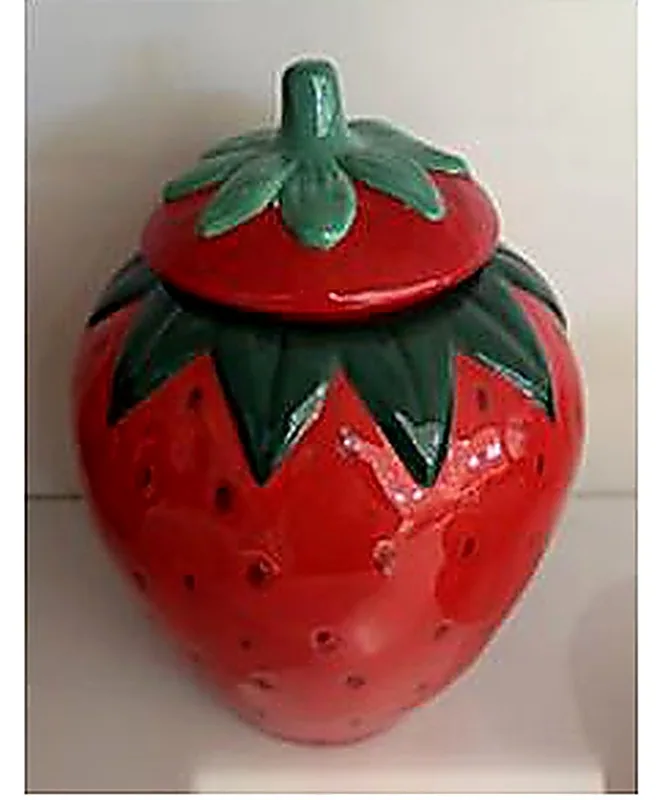
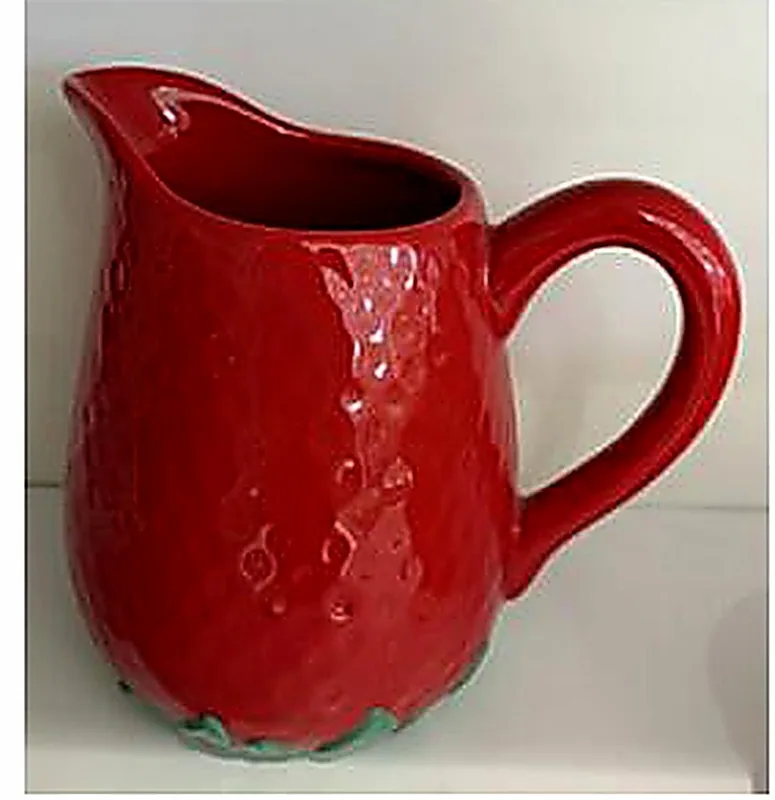
The Strawberry Ceramic Jar with Lid (TVD-2817) is red glazed ceramic. Our product listing describes it with a lidded jar and a handled pitcher, which is the shared description of this jar and its companion, the pitcher. If you are comparing the two for sale, start with the jar and pitcher collection guide. This page is about the rules.
Is a mark on file?
No. No certification mark, test report or approval is on file for TVD-2817 at the moment, so we do not call it certified, approved or compliant. We confirm certification status and supply the documents with the quote before you order. The full specifications are on the product page for signed-in buyers with a free account.
A jar with a lid is a storage vessel, which changes the test
A jar can hold food for days, not minutes. A cup or plate sees food briefly; a lidded jar sees sugar, honey, jam, cookies or loose tea for long stretches, and acidic contents such as jam are harder on a glaze than dry sugar. Under the Food and Drugs Act, food may not be sold in or with materials that may make it harmful. Health Canada does not pre-approve kitchenware, so buyers ask the factory for food-contact test reports. For a storage jar, ask whether the test conditions reflect long contact or short contact, and ask that the report cover the inside surface and the lid underside.
Glaze: lead and cadmium
The Glazed Ceramics and Glassware Regulations under the Canada Consumer Product Safety Act set limits on lead and cadmium that can leach from glazed ceramics that contact food. Red glaze is a colour where you should ask directly, since coloured glazes and decoration are where leaching questions sit. Decorated rims and printed or metallic decoration near the lip are a known risk. If the strawberry motif is printed or painted, or the lid and rim carry metallic trim, say so on your enquiry and ask for the report to cover those areas. The Consumer Products Containing Lead Regulations also include kitchen utensils, so ask the factory for a general lead statement.
The lid and any seal
If the lid has a rubber or silicone ring, that is a separate material and a separate food-contact question. Our listing does not say whether it does, so we confirm the lid construction on your quote. If there is a ring, add it to the test report request. A wooden or bamboo knob, if one is present, raises a finish and glue question; bamboo and wood items follow their own advice, and melamine-bamboo blends are not for microwave use.
Document checklist for TVD-2817
| Document | Why you want it | Who issues it |
|---|---|---|
| Lead and cadmium report for the red glaze, inside and rim | Limits apply to glazed ceramics that contact food | Accredited laboratory, via the factory |
| Food-contact test report | Shows no harmful migration into food | Accredited laboratory, via the factory |
| Lid and seal material statement | Identifies any rubber, silicone or wood part | Factory, confirmed on our quote |
| Care and temperature rating | Dishwasher, microwave, freezer and oven use as the factory rates it | Factory, confirmed on our quote |
| Retail pack artwork | Bilingual identity, net quantity and dealer details | You, with our carton guidance |
| Customs classification | Sets duty and delivered cost | Our customs broker |
Retail labelling and Quebec
A prepackaged consumer jar needs bilingual product identity and net quantity under the Consumer Packaging and Labelling Act, plus the dealer's name and place of business. Gift boxes carry that text. In Quebec, the Charter of the French language requires labels, instructions and any warranty text to be available in French, with French at least as prominent, and Quebec retailers will ask for it. Tell us your province on the quote request.
Commercial buyers and inspectors
A café that uses the jar at the counter operates under provincial food premises rules, and public health inspectors expect tableware that is durable, easy to clean and sanitary. A jar with a narrow neck and a crevice at the lid is harder to clean, which an inspector may notice. Some inspectors, landlords and franchisors also ask for NSF or equivalent sanitation certification on commercial food equipment, so check what your health unit and landlord expect.
Electrical, textile and children's rules
This product has no powered or battery part as described, so electrical certification does not come into it, and it is not a textile item. If you plan to sell it in a children's range, tell us: children's product rules would then be considered. Otherwise those sections do not apply. Our guide to CSA, cUL and cETL marks is for powered items.
What happens if papers are missing
- A retailer, marketplace or franchisor can refuse the product.
- A product that proves dangerous can be recalled under the Canada Consumer Product Safety Act, and incident reporting is required.
- A food premises inspector can ask where the jar came from.
- A customs hold can follow if classification and description do not match.
How we handle it
We request the reports from the factory and put the status in your written quote before you order. Samples are available on most items and the sample cost is usually credited to the first order, so you can check the lid fit and the red finish in hand. Payment is 30% deposit and 70% before release, delivered across Canada to your site, store or warehouse. Read how ordering works and request a quote. The pitcher side of the same description is covered in the Strawberry Ceramic Pitcher compliance guide. Rules change, so confirm with Health Canada, your health unit or your customs broker. This is general information, not legal advice. More products are in the tableware and placemats line.