Product guide ·
Strawberry Ceramic Jar with Lid and Handled Pitcher: Choosing Between TVD-2817 and TVD-10689
A lidded jar and a handled pitcher in red glazed ceramic share one description. Here is how to choose between them, what to pair them with, and what to confirm before ordering.
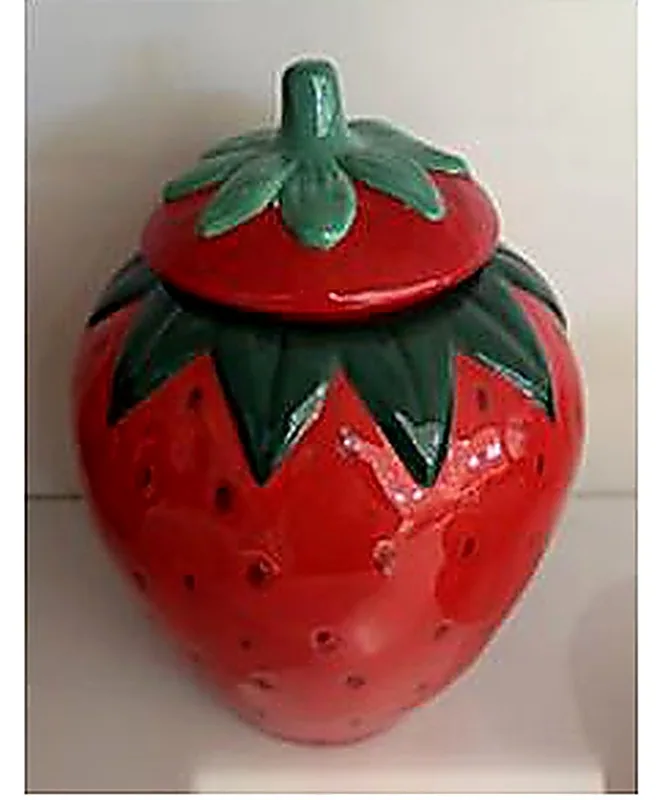
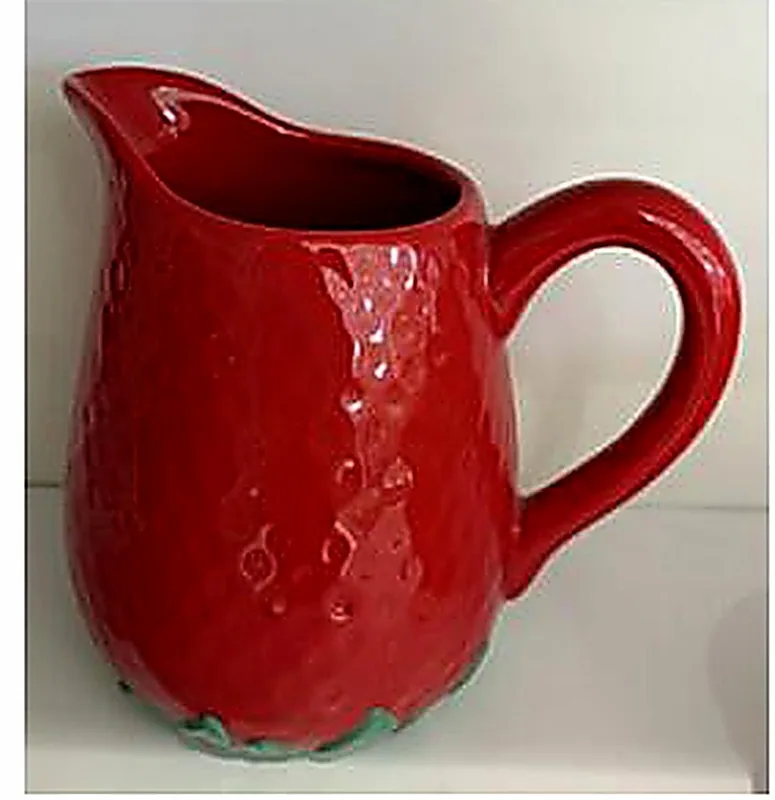
Two products make up this collection: the Strawberry Ceramic Jar with Lid (TVD-2817) and the Strawberry Ceramic Pitcher (TVD-10689). Our product listing gives them one shared description, red glazed ceramic, a lidded jar and a handled pitcher. They differ in name and in the job each one does. Capacities and dimensions are not in that description, so they are confirmed on your written quote. A free account shows the full specifications on each product page.
What the two share
- Red glazed ceramic, so jar and pitcher match on a shelf or on a table.
- A strawberry theme, which suits kitchen shops, tea rooms and gift displays.
- Both are storage or serving pieces, not place-setting pieces. They belong in the middle of the table or on the counter.
Jar with lid or pitcher: which is right for you
The jar with lid (TVD-2817). A lidded jar is flexible: it holds sugar, jam, honey, cookies or loose tea, and it works as a decorative canister on a counter. Retailers like it because the lid makes it look finished in a window. A café can use it for sugar or biscuits at the counter. Ask how well the lid fits, and whether a gasket or seal is part of the piece; the listing does not say. Counter use is the typical café case, where the lid keeps sugar dry and the red glaze doubles as decoration.
The pitcher (TVD-10689). A handled pitcher pours water, milk, juice or syrup. It suits restaurants, brunch cafés and caterers who want something with character on the table. It also works as a vase in a gift shop display. The handle is the weak point in transit, so ask about packing and approve a sample. The compliance angle is covered in the Strawberry Ceramic Pitcher compliance guide.
| Question | Jar with Lid TVD-2817 | Pitcher TVD-10689 |
|---|---|---|
| Job | Storage and counter display | Pouring and table service |
| Typical buyer | Kitchen shops, gift retailers, cafés | Restaurants, caterers, homeware sellers |
| Fragile point | Lid edge and knob | Handle and spout |
| Quote question | Lid fit, capacity | Capacity, pouring, handle strength |
Using both in one order
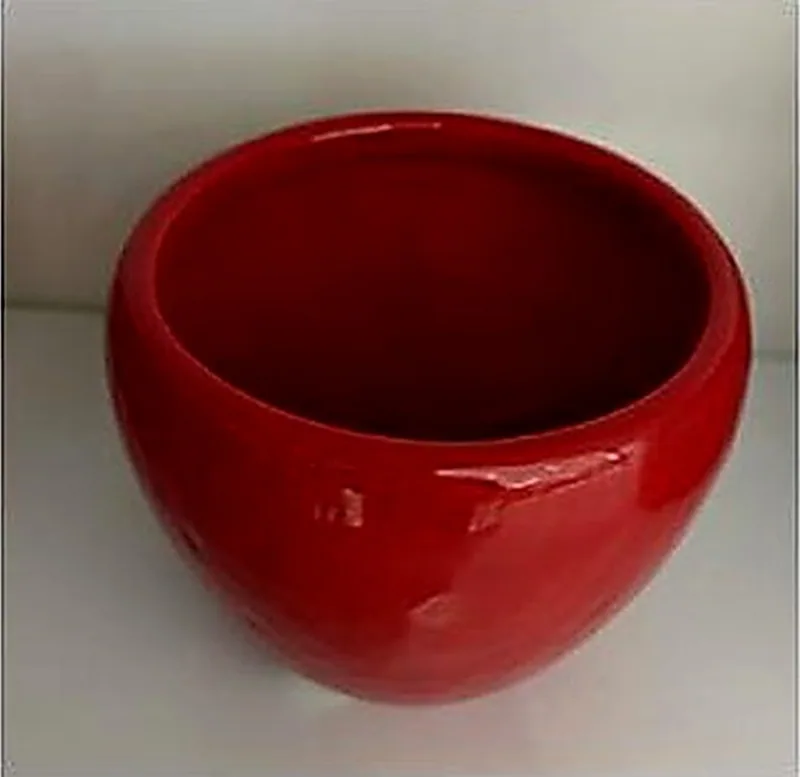
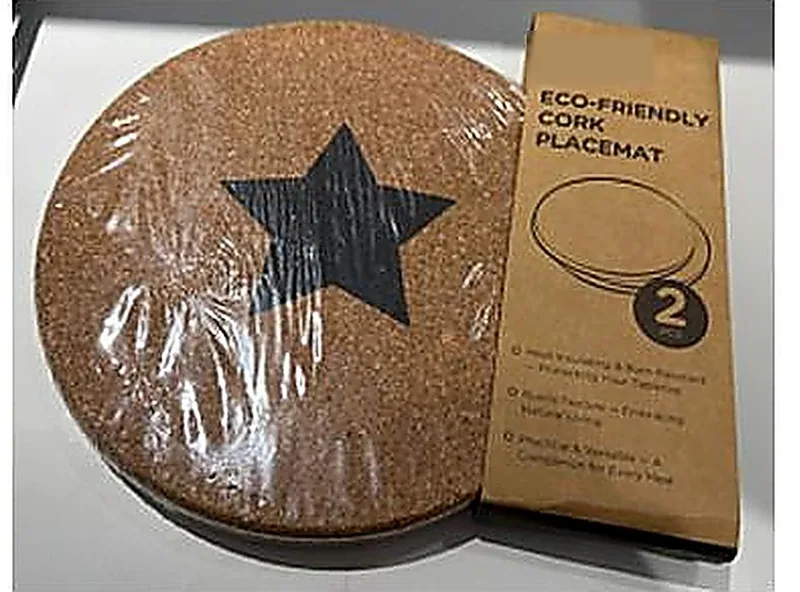
A retailer can sell them as a pair: a jar for the pantry, a pitcher for the table. A restaurant might buy several pitchers for water service and a few jars for sugar, and a gift shop might line both up in a window with the strawberry bowl beside them. State the quantity of each when you ask for the quote, and ask about gift-box or divided carton packing. For the rest of the strawberry range, see the Strawberry Ceramic Bowl (TVD-2816). For a natural contrast on the table, the Cork Placemat with Star Print (TVD-2805) protects a surface under a jar or pitcher.
Specification checklist
- Capacity and dimensions of each piece.
- Whether the lid fits tightly or loosely, and whether it is the same glaze as the body.
- Whether the factory rates the pieces for dishwasher, microwave, freezer or oven use.
- Food-contact reports and a lead and cadmium report for the red glaze, including the inside of the pitcher.
- Retail packaging, label language, barcode, carton size and carton quantity.
- Minimum per piece and colour, sample availability and lead time.
Canadian use notes
Ceramic jars and pitchers are heavy for their volume, which affects freight and carton strength. Winter handling is rougher, and a cold dock followed by a warm store can stress a glaze, so unpack ceramic at a moderate temperature. Ocean freight from Asia usually lands at Vancouver or Prince Rupert, then continues by rail and truck, and your quote gives the delivered cost and lead time. The landed cost calculator helps you plan; the sales tax guide covers provincial tax.
Rules that may apply
These pieces hold food and drink, so the Food and Drugs Act applies: food may not be sold in or with materials that may make it harmful. Health Canada does not pre-approve kitchenware. The Glazed Ceramics and Glassware Regulations limit lead and cadmium that can leach from glazed ceramics that contact food, and decorated rims are a known risk. Retail packs need bilingual identity and net quantity, and in Quebec labels and instructions must be available in French. No certification mark is on file for either product. We confirm certification status and supply documents with the quote before you order. See the Jar with Lid compliance guide. Rules change; confirm with the authority or your customs broker. This is not legal advice.
How ordering works
Request a quote with your quantities and address. We reply in writing with price, specification, certification status, packing, lead time and delivered cost. Samples are available on most items and the sample cost is usually credited to the first order. Payment is 30% deposit and 70% before release, delivered to your site, store or warehouse. See how ordering works and compare other items in the tableware and placemats line, such as the Round Woven Seagrass Placemat (TVD-10686).