Certification guide ·
Strawberry Ceramic Pitcher TVD-10689: Glazed Ceramic Rules for Canadian Buyers
A red glazed ceramic pitcher is a food-contact product, which brings Canada's lead and cadmium limits for glazed ceramics into play. This is what to ask for on TVD-10689 and what we hold on file.
Why this pitcher is a regulated kind of product
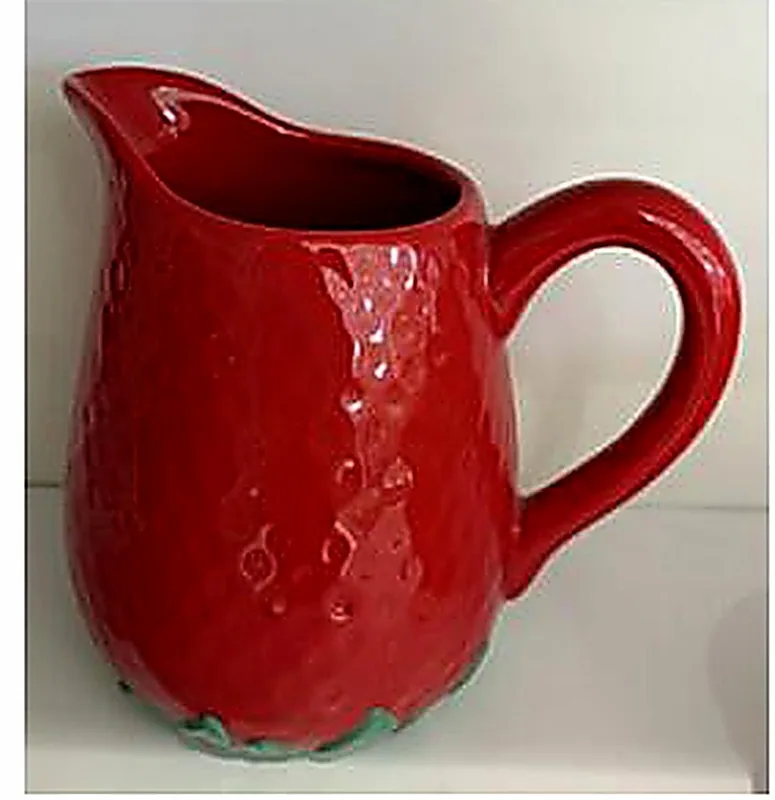
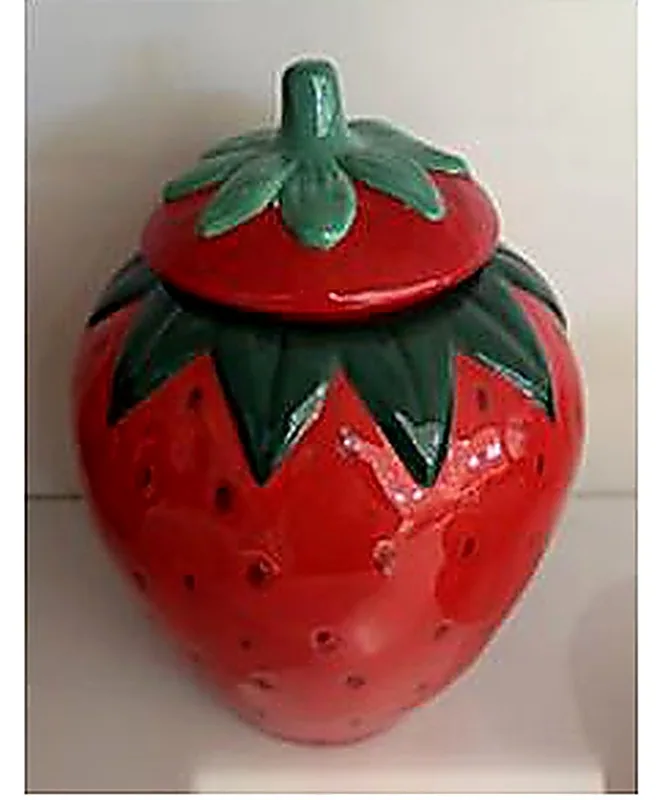
The Strawberry Ceramic Pitcher (TVD-10689) is made of red glazed ceramic, and its description mentions a lidded jar and a handled pitcher in several styles. A handled pitcher holds drinks, sauces or milk. That puts it in the food-contact group, and for glazed ceramics Canada has specific limits. We hold no certification mark and no test report on file for TVD-10689, so we do not describe it as certified, listed, approved or compliant. What follows is what Canadian buyers need to ask for. It is general information and not legal advice; rules change, so confirm with the authority, your inspector or your customs broker.
The Glazed Ceramics and Glassware Regulations
Under the Canada Consumer Product Safety Act, the Glazed Ceramics and Glassware Regulations set limits on the lead and cadmium that can leach from glazed ceramics and glassware that contact food. A pitcher is covered by the idea behind those limits, because a glaze sits on the inner and outer surface and acid drinks such as juice or tea can draw metals from it. Red is a colour worth a question: red and other strong glaze colours and decorations are a known place for these metals to appear, so ask the factory for a lead and cadmium test report on the finished pitcher, not on a sample tile. If the pitcher has printed or metallic decoration near the lip, the risk is higher, because the lip touches the mouth. Ask whether the interior is glazed and whether the same glaze covers the lip.
The related Consumer Products Containing Lead Regulations set lead limits that include kitchen utensils and products for young children. A pitcher marketed with a child-friendly strawberry design could attract attention from a buyer who is selling to families, so be careful about marketing it as a children's product unless the test reports support that use.
Food contact in general
The Food and Drugs Act prohibits selling food in or with materials that may make it harmful. Health Canada does not pre-approve kitchenware. Buyers who sell to restaurants, cafes or hotels may also be asked by a health inspector, landlord or franchisor for NSF/ANSI or an equivalent sanitation certification on commercial food equipment, and for a pitcher that goes into a kitchen, ask the health unit first. We do not assume a sanitation mark exists for TVD-10689.
Lidded jar and handled pitcher: two forms, one family
The listing shows two forms within the family, the lidded jar and the handled pitcher. If you order both, each shape is tested separately in practice, since a lid, a handle join and a spout are separate surfaces. A lidded jar is often used for dry goods or sugar, and a pitcher for liquids, so say which use you intend when you request reports. A matching strawberry jar is covered in our guide to the strawberry lidded jar and its siblings.
Document checklist
| Document | Why | Who issues it |
|---|---|---|
| Lead and cadmium leaching test report, finished piece | Shows the glaze meets the limits for food-contact glazed ceramics | Accredited laboratory via the factory |
| Glaze and decoration statement | Identifies colour, rim decoration and interior glaze | Factory, in our quote |
| Oven, microwave, freezer and dishwasher rating | Prevents misuse and returns | Factory, confirmed on the quote |
| Sanitation certification, if your customer demands it | Commercial kitchens, franchisors | Certification body; we say whether one exists |
| Bilingual label and pack proof | Retail and Quebec | You, with factory proof |
| Tariff classification and origin note | Duty and taxes | Our customs broker, before quote |
Packaging, French and Quebec
A boxed pitcher is a prepackaged consumer product, so the Consumer Packaging and Labelling Act requires bilingual product identity and net quantity, plus the dealer's name and place of business. In Quebec, the Charter of the French language requires labels, instructions and warranty documents to be available in French. Ceramic is fragile, so protective packing and a clear carton plan matter as much as the label.
No electrical question, but ask about heat
A pitcher has no plug, so CSA, cUL and cETL marks do not apply; our explainer on those marks is useful only if you stock powered goods. The European CE mark is not recognised in Canada as proof of compliance for consumer products. One practical point: if a customer wants to put hot liquid in the pitcher, ask the factory for a stated heat rating rather than assuming one.
What happens if documents are missing
- A retailer or hotel buyer may refuse glazed goods without a lead and cadmium report.
- A product found to be a danger can be prohibited under the Canada Consumer Product Safety Act, and recalls are possible.
- Customs may hold goods while classification or origin is queried.
How we handle it
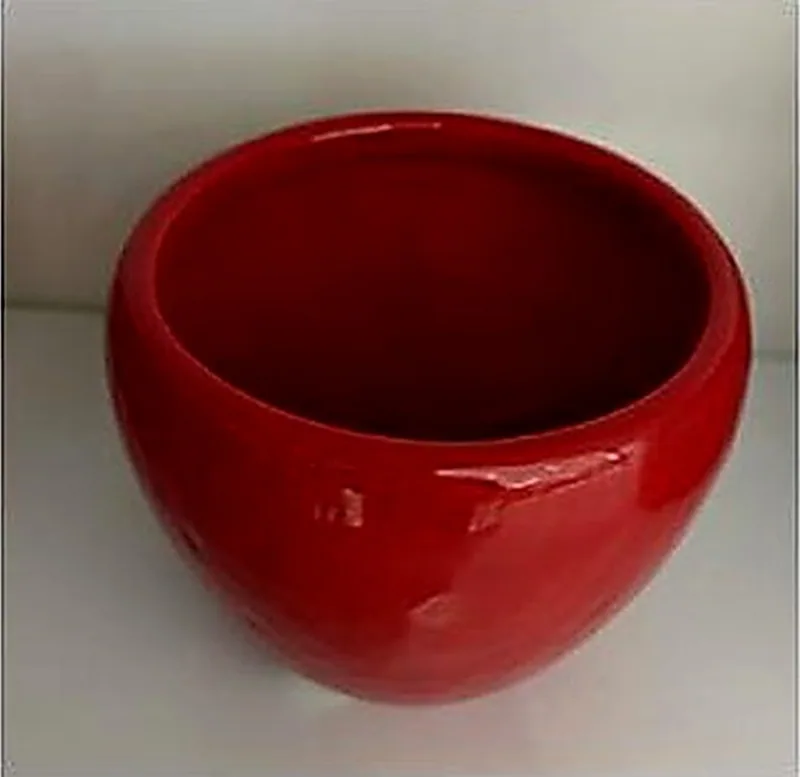
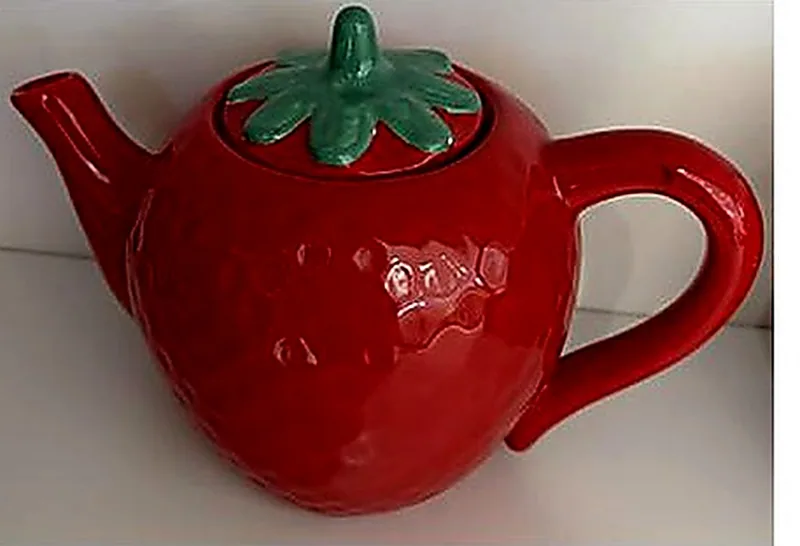
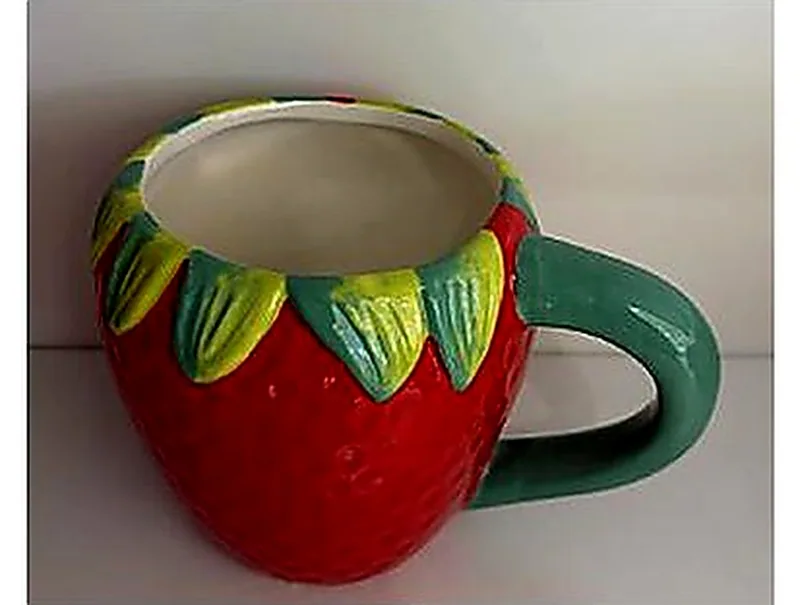
We confirm certification status, test reports and classification on the written quote and supply the documents before you order. The quote states packing, lead time and delivered cost, samples are available on most items with the sample cost usually credited to the first order, and payment is 30% deposit and 70% before release. For other strawberry pieces see the Strawberry Ceramic Bowl (TVD-2816), the Strawberry Ceramic Teapot (TVD-10687) and the Strawberry Ceramic Mug (TVD-10688). For woven table accessories, compare the Scallop Rim compliance post. GST, HST, PST or QST apply by province, as in the sales tax guide. See how ordering works, then use the quote request.