Product guide ·
Double-wall coloured tumblers: TVD-1938 and TVD-1939 compared for Canadian buyers
Two handleless double-wall tumblers, one smooth and one quilted, share a specification and differ in colour and finish. Here is how to choose and mix them.
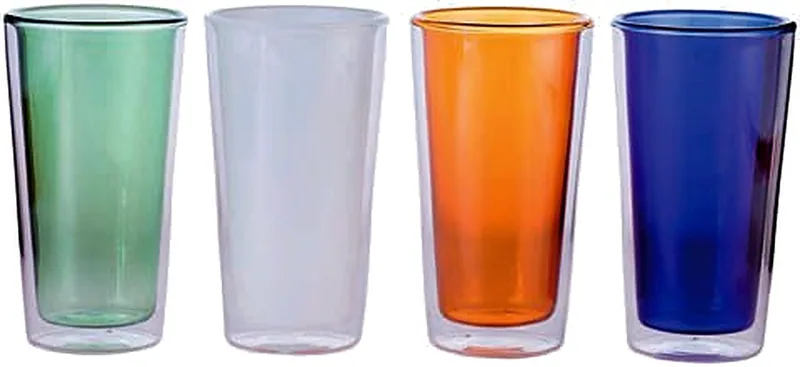
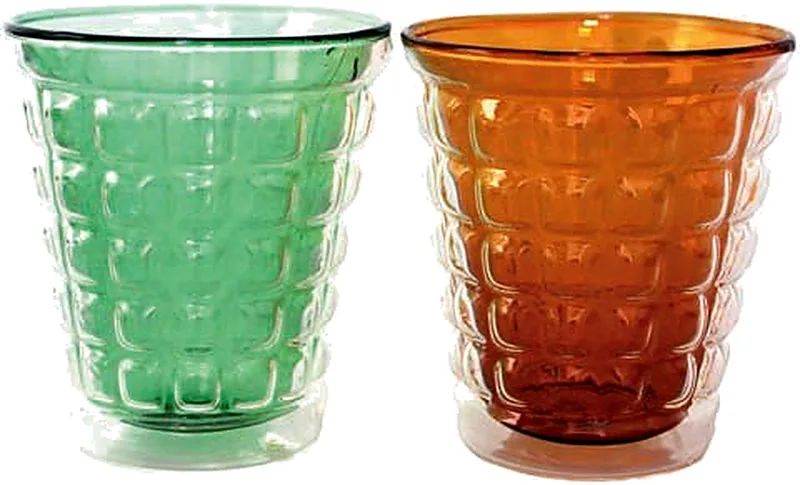
Two tumblers in the Double-Wall Glassware line look similar in a photograph and sit in different parts of a menu. The Double-Wall Tumbler – Coloured (TVD-1938) is a tall, smooth double-wall glass in green, clear, orange and blue. The Textured Double-Wall Tumbler – Coloured (TVD-1939) is a handleless double-wall tumbler with a quilted texture in green and amber tints. They belong to one guide because they share one specification family: double-wall glass in a handleless tumbler shape. They differ in name, colour range and surface, and that is the honest summary. Exact capacity and dimensions are confirmed on your written quote.
What both tumblers have in common
- A double-wall glass body, which is why the outside of a cold drink stays dry and a hot drink is easier to hold.
- A handleless tumbler shape, so they stack, rinse and rack like ordinary glasses.
- Coloured tints rather than clear-only glass, with the colours listed for each product below.
Because the specification is shared, one lead-time conversation and one set of test reports can cover both, which simplifies an order.
How the two differ
| Product | Surface | Colours shown | Best suited to |
|---|---|---|---|
| TVD-1938 | Smooth, tall | Green, clear, orange, blue | Iced coffee, juice and soft-drink service where colour is the point |
| TVD-1939 | Quilted texture | Green and amber tints | Boutique sets and gift tables where a tactile finish earns the shelf space |
Which one for which buyer
Café owners who serve iced drinks tend to prefer the smooth TVD-1938: it shows the drink, the four colours let you code sizes or flavours, and a plain surface wipes clean quickly at the counter. Retailers and gift shops often prefer the textured TVD-1939, because the quilted pattern photographs well and feels premium in the hand, though the finish takes a few more seconds to scrub when a pattern holds residue. Hotels buying for minibars or room service can use the clear version of TVD-1938 for a neutral look. Neither listing mentions a lid, so if you need a lid and straw, look at the Double-Wall Tumbler with Lid & Straw (TVD-1940).
Mixing them in one order
You can split a quote across both products and across colours. The practical points are minimum quantity per colour, how the factory packs a mixed carton, and whether colours can be bundled into a set. If you want a four-colour set from TVD-1938 plus a textured pair from TVD-1939, say so up front so the carton plan matches your shelf plan. Hand-made glass varies a little in weight and capacity, so tell us if you need a tighter match for a boxed set.
Specifying the pair: what to ask the factory
- Capacity in millilitres and overall height of each tumbler.
- Glass type and whether the factory states heat limits for hot drinks.
- Whether the tint is in the glass or applied as a coating on the surface; a surface colour needs a lead and cadmium report.
- Hand washing or dishwasher guidance from the factory.
- Gift box or divider packing, since glass travels better when it cannot touch.
- Barcode, label language and carton size.
Canadian rules that apply to glass tumblers
Drinking glasses fall under the Glazed Ceramics and Glassware Regulations, which limit lead and cadmium that can leach from glassware that contacts food. Decorated or coloured pieces are where a test report matters most, so ask for a lead and cadmium report on the coloured finishes. The Food and Drugs Act also prohibits selling food in or with materials that may make it harmful, and Health Canada does not pre-approve kitchenware. If you sell boxed sets, the Consumer Packaging and Labelling Act requires bilingual product identity and net quantity plus the dealer's name and place of business, and in Quebec labels and instructions must be available in French. No certification mark is on file for either product, so we do not claim one. We confirm certification status and supply documents with the quote before you order. Rules change; confirm with the authority or your customs broker. This is not legal advice. Our guide to the Canadian rules for double-wall glassware goes deeper.
Canadian use notes
Glass is fragile in winter freight. Cartons that sit on a cold truck and then come into a warm warehouse should be left unopened for a few hours before use. In practice, café buyers in cold regions should avoid pouring boiling liquid into a glass that has been sitting in an unheated receiving dock. For delivery across the country, ask for divider packing; the line's buying tip also suggests individual gift boxes when breakage in transit is a concern.
How ordering works
Pricing is quoted in writing for your quantity, colours and delivery address; it is never posted on the site. The quote also states lead time, packing and the certification documents. Samples are available on most items, and the sample cost is usually credited to your first order. Payment is 30% deposit and 70% before release. The tumblers can share a consolidated container with other lines. See how ordering works and our sales tax by province guide for GST, HST, PST or QST by province, or use the landed cost calculator for a first landed-cost estimate. When you are ready, request a quote with both product codes and your colour split.
If you are still choosing between glass styles, compare the tinted pastel mug collection, the round cup (TVD-1936) and the contour glasses (TVD-1958).