Product guide ·
Flagship Oak Engineered Flooring TVD-1620: A Buyer's Guide for Builders and Flooring Retailers
The simplest board in our engineered range, and the one to measure the others against. Here is what its listing means and what to settle in writing.
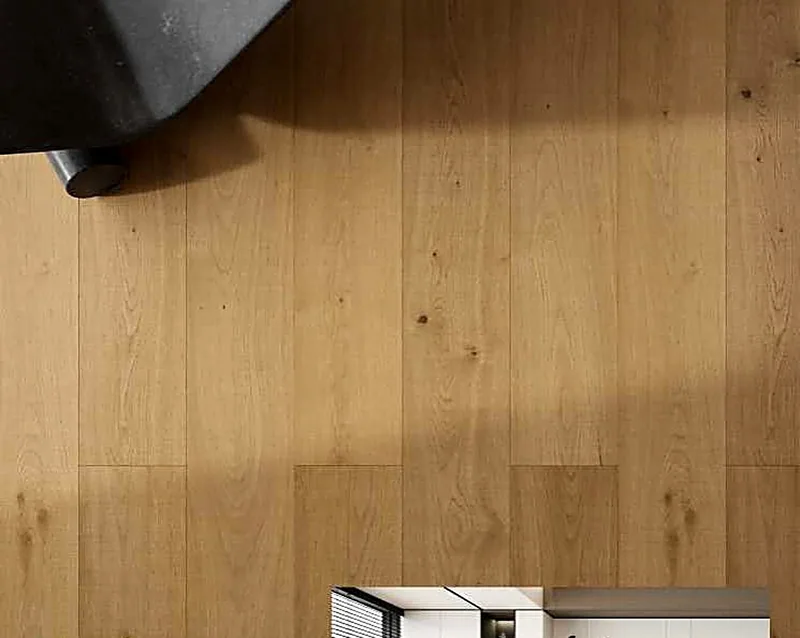
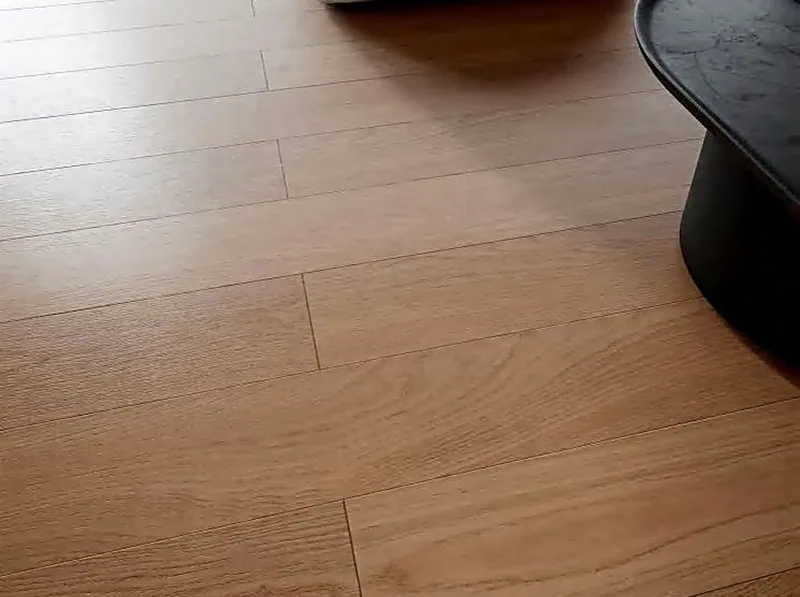
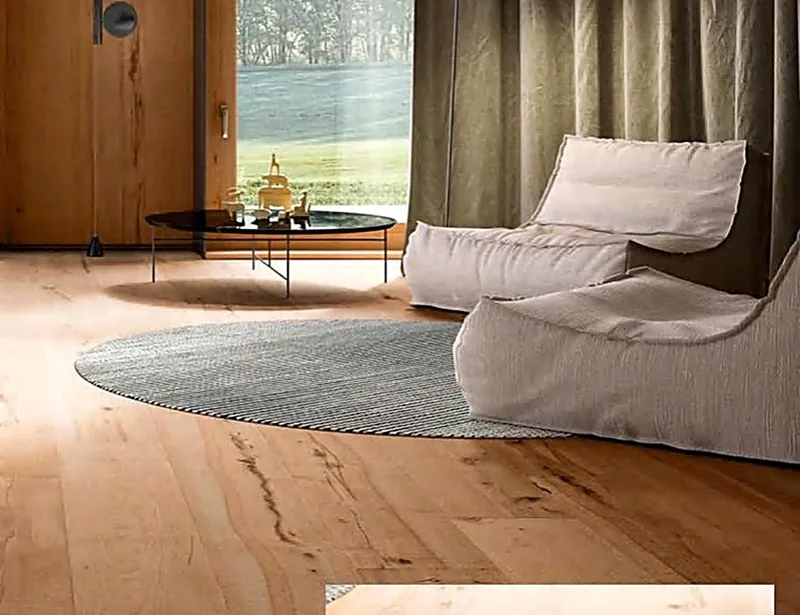
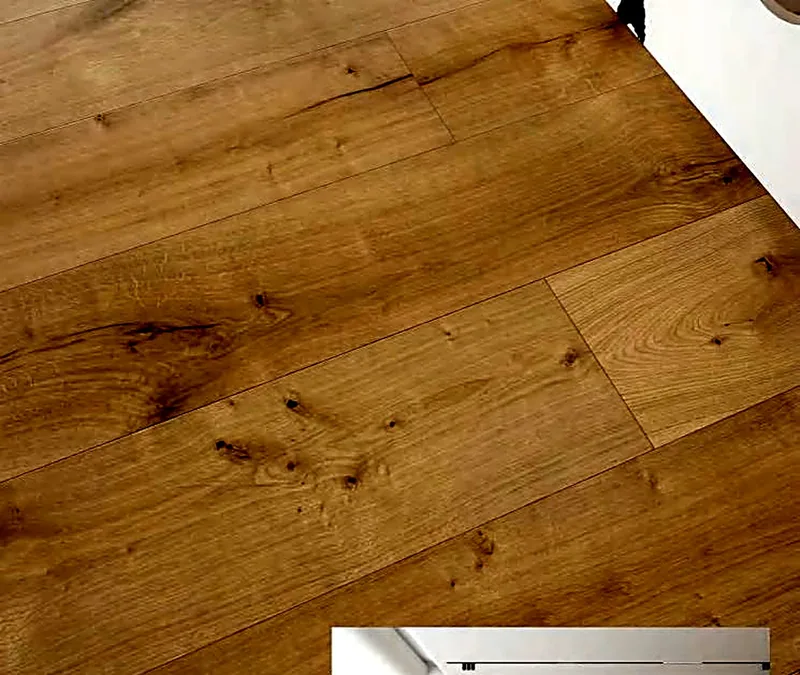
Every engineered range needs a plain board that sells without explanation. In ours, that is Flagship Oak Engineered Flooring (TVD-1620). The listing gives three facts: multi-layer engineered oak, a European white oak top layer, and a UV lacquer finish with a click system. It does not give thickness, plank size or wear layer, so those are the first items on your quote request.
Reading the listing, line by line
Multi-layer engineered oak. The board is built in layers rather than cut from one piece of timber. Layered construction is what makes engineered flooring more stable than solid oak when humidity moves. That is a general property of the construction, not a promise about this board's performance, and the core material is confirmed on your written quote.
European white oak top layer. The visible surface is the part you are selling. How thick that top layer is decides how many times the floor could be refinished, so ask for the wear layer thickness in millimetres. Ask about grade too: grade describes knots, colour variation and sapwood, and two buyers who both say "oak" may mean very different looks.
UV lacquer, click system. A UV-cured lacquer is a factory-applied finish, which means a floor that needs no sanding or coating after installation. A click system means boards lock without glue along the edges. Both help a contractor on a tight programme. Confirm the lock profile and whether an underlay is attached, since this decides what goes under the boards.
Who buys it
Builders use a board like this in condominium suites and new homes where the plan calls for oak and the schedule leaves little time. Flooring retailers carry it as the entry point to the engineered range, the board a customer compares everything else against. If you are a builder, ask about pallet quantities per suite size. If you are a retailer, ask for a sample board and a finished sample panel you can show on a counter.
How to specify it: checklist for the quote
- Total thickness, top-layer thickness and core construction.
- Plank length and width, edge style (square or bevelled) and surface texture.
- Colour name or code, gloss level and production lot, so extra cartons match.
- Locking profile and any attached underlay, with its thickness.
- Area per carton, cartons per pallet, pallets per container.
- Moisture content at packing and the factory's acclimatizing advice for your region.
- Formaldehyde emission report for the composite wood in the core, plus flame-spread and slip reports if your project needs them.
- Matching trims, stair nosing and transitions, warranty terms and lead time.
Flagship against its neighbours
Gratitude Series Engineered Flooring (TVD-1621) also uses European white oak but lists AB and CD grades and a light brushed UV lacquer, so it suits a buyer who wants to choose between a cleaner or a more rustic look. Mansion Series Wide-Plank Flooring (TVD-1626) moves to extra-large planks with a wood wax finish, a different proposition for large rooms. Northern Europe Series Flooring (TVD-1628) lists smoked, oiled and rough-sawn looks. TVD-1620 is the one to pick when the customer says "oak, natural, no drama". Our Gratitude series guide compares the grade options in more depth.
Canadian use notes
Dry winters, humid summers. Heated interiors on the Prairies and in central Canada become very dry in winter, and wood moves with it. Coastal British Columbia and Atlantic Canada are humid. Acclimatize the boards before installation and follow the factory's guidance, which we ask for on the quote. A multi-layer board tolerates the swing better than a single-piece plank, yet it still needs care at the walls.
Underfloor heating. If the floor goes over in-floor heating, ask specifically whether this board is suitable and under what installation method. We do not state it here because the listing is silent.
Composite wood rules. Engineered boards contain composite wood in the core. Canada's formaldehyde emission regulations for composite wood products, in force since 2023, require emission limits, third-party certification and labelling. Ask for the TSCA Title VI or Canadian compliance certificate for the core. Details are in the certification guide for TVD-1620 and the engineered flooring compliance guide.
Freight. Pallets of flooring are heavy. They usually arrive at Vancouver or Prince Rupert, then go inland by rail or truck. Unload to a dry, heated space, not an open yard. Run numbers in the landed cost calculator, then confirm them on the written quote, which includes delivery to site, store or warehouse. Sales tax varies by province; see the sales tax guide.
How ordering works
Request a quote with your quantity in square metres, plank format and delivery address. The reply is in writing and covers specification, certification documents, packing, lead time and delivered cost. Samples are available on most items, the sample cost is normally credited to the first order, and trial minimums on many lines are low. Payment is 30% deposit with the balance of 70% before release. Read how ordering works for the steps, and browse the engineered wood flooring line for the rest of the range. A free account shows full specifications on each product page.
No certificate is on file for TVD-1620, so we make no certification claim. Rules change, so confirm requirements with your inspector or customs broker; this is not legal advice.