Certification guide ·
Glass Fruit Bowl, Petal Edge (TVD-2710): Canadian Rules and Documents Before You Import
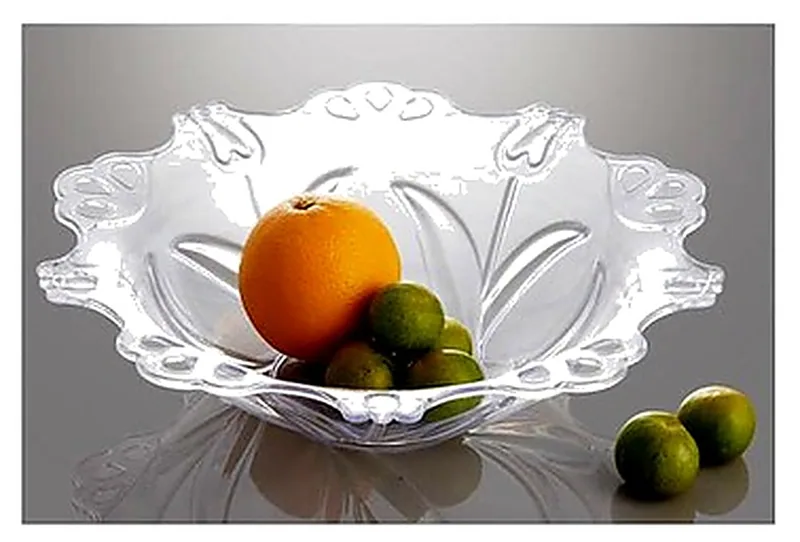
The Glass Fruit Bowl – Petal Edge is clear glass serving ware with covered divided boxes. No certification mark is on file for it, so this guide sets out what a Canadian buyer must ask for and what we confirm on the quote.
Where this product stands today
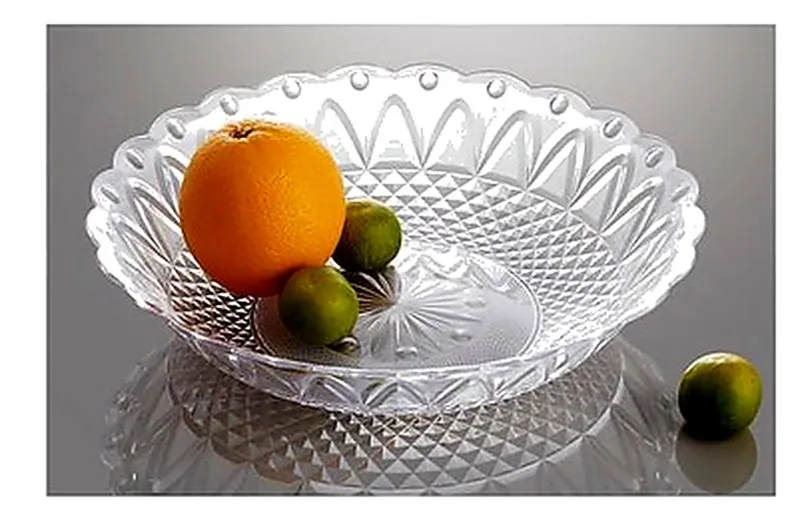
The Glass Fruit Bowl – Petal Edge (TVD-2710) is described as clear divided boxes with covers, fruit bowls and platters, with an ice bucket and goblets shown. It is glass tableware for serving food and drink. No certification or test report is on file for it, so we make no claim that it is certified, approved or compliant with any standard. Instead, we confirm certification status and supply the documents with the quote before you order. This page explains what those documents are and why a buyer should ask for them.
The product is a food-contact item, and some pieces are glass. Those two facts decide which Canadian rules apply. It is not a powered product, so electrical marks such as CSA, cUL or cETL are not relevant to the bowls themselves.
Rule 1: lead and cadmium in glassware
The Glazed Ceramics and Glassware Regulations, made under the Canada Consumer Product Safety Act, limit the lead and cadmium that can leach from glazed ceramics and glassware that contact food. Plain clear glass is generally a lower-risk material than decorated glass, but the limit applies to the product you actually sell. The risk rises where there is decoration: a decorated rim, a printed pattern or a metallic band near the lip is where leaching is most likely to be measured. If the version you order has any such decoration, including gilt trim on the petal rim or on the goblets, ask the factory for a lead and cadmium test report on those pieces.
Rule 2: food-contact materials
The Food and Drugs Act prohibits selling food in or with materials that may make it harmful. Health Canada does not pre-approve kitchenware. It offers voluntary Letters of No Objection for food packaging materials, which is a different matter. In practice, retail buyers and many hospitality customers ask the factory for food-contact test reports, such as FDA or EU food-contact migration tests, on the glass and on any covers, seals or lids that touch food. Covers matter here: the listing shows covered boxes, so ask what material the cover is made from, because a plastic cover needs its own food-contact report.
Rule 3: labelling and packaging
If the set is sold prepackaged to consumers, the Consumer Packaging and Labelling Act requires bilingual product identity and net quantity plus the dealer's name and place of business. In Quebec, the Charter of the French language requires labels, instructions and warranty documents to be available in French, with French at least as prominent. Retailers in Quebec will ask for it. For a set with several piece types, plan the label wording carefully so the contents and piece count are accurate in both languages; we confirm the contents of each set on the quote.
Document checklist
| Document | Why you need it | Who issues it |
|---|---|---|
| Lead and cadmium test report for glassware | Shows leaching limits for food-contact glass, especially decorated pieces | An independent laboratory, requested from the factory |
| Food-contact test report (migration) | Shows the materials are suitable for food; retailers and hospitality buyers ask for it | An independent laboratory, requested from the factory |
| Cover and lid material statement | Identifies the plastic or glass used for covers and any seals | The factory |
| Written set contents and piece count | Supports bilingual labelling and customs declaration | Confirmed on our written quote |
| Customs classification | Decides duty; our broker confirms before we quote a delivered cost | Our customs broker |
| French labelling and instructions (Quebec) | Required for Quebec sales; retailers ask | You or us, agreed at order |
No CE mark substitute, and no electrical mark needed
Canada does not recognise the European CE mark as proof of compliance for consumer products. A glass set from a factory that also sells in Europe may carry a CE-related declaration, but it does not replace the Canadian requirements above. See our explainer on CSA, cUL and cETL marks for how electrical marks work, and why they are not asked of a plain glass bowl.
Provincial differences
Federal product rules apply everywhere, but provinces differ in practice. Quebec adds the French language requirement. Provincial public health units inspect commercial kitchens and restaurants, and the inspector may ask for evidence that serving ware is suitable for food. A hotel buyer or franchisor may add its own specification on top, such as thickness or breakage limits, which is a buyer specification and not a federal rule. Check what your customer's contract asks for before you order.
What happens if papers are missing
- A retailer's compliance team can refuse to list a food-contact product with no test reports.
- A product found to be a danger to human health or safety can be subject to a recall under the Canada Consumer Product Safety Act, and incidents must be reported.
- Customs can delay goods if the paperwork or classification does not match the shipment.
How we handle it
We confirm certification status and obtain the test reports with the quote, before you order and pay a deposit. If a report is not available, we say so in the quote so you can decide whether to proceed, or ask for the pieces to be tested. Rules change, so check with the authority, your inspector or your customs broker; this is not legal advice. For the full product guide, read our petal edge and scalloped glass fruit bowl guide; the sister product's paperwork is covered in our scalloped fruit bowl compliance guide. For tax on imported goods see our sales tax guide. Payment is a 30% deposit and 70% before release; request a quote to start.