Certification guide ·
Salad Bowl Set – Green (TVD-2719): what Canadian buyers should have on file
No certification mark is on file for this printed bowl set, so here is what a Canadian buyer should request and why.
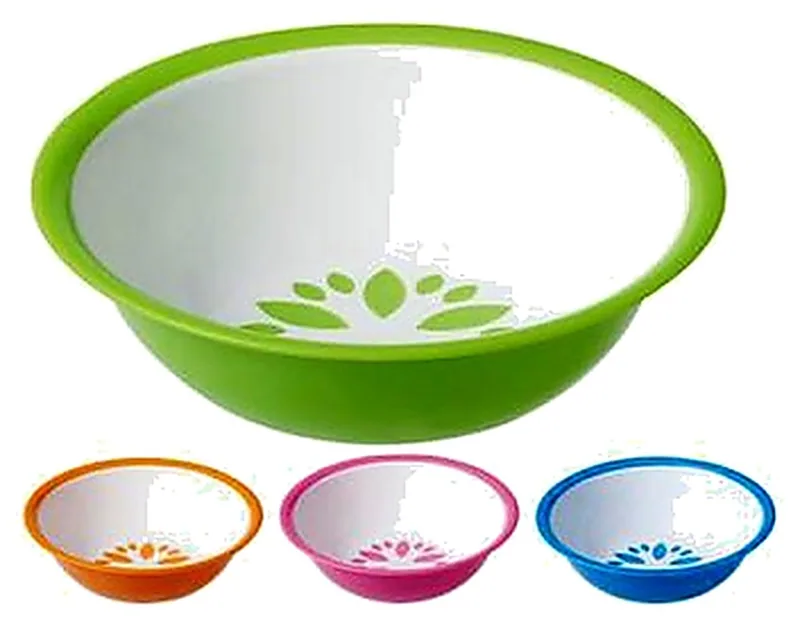
If you plan to stock the Salad Bowl Set – Green (TVD-2719), the first question is not price but paperwork. This product comes with two-tone bowls, cups and printed plates in several sizes. Our product listing shows no certification mark for it, so this article does not claim one. It explains which Canadian rules a buyer should expect to deal with for a printed, food-contact tableware set, and which documents to ask for before you commit to a container.
Is a certification mark on file?
No. The listing for TVD-2719 shows no certification mark. That is normal for kitchenware: unlike an appliance, there is no single mark that a retailer in Canada must see on a bowl. Instead, buyers rely on test reports and the legal duty not to sell harmful products. Before you order, we confirm certification status for the set and supply the documents we hold with the written quote.
Which rules apply to a printed bowl-and-plate set
- Food contact. The Food and Drugs Act prohibits selling food in or with materials that may make it harmful. Health Canada does not pre-approve kitchenware, but it offers voluntary Letters of No Objection for food packaging materials. Buyers commonly ask the factory for food-contact test reports, such as FDA or EU migration tests.
- Decoration. The Glazed Ceramics and Glassware Regulations set lead and cadmium limits for glazed ceramics and glassware that contact food, and printed or metallic decoration near the lip is a known risk. If the version you order includes any ceramic or glass piece, those regulations apply. If every piece is plastic, ask for the same lead and cadmium report anyway, because the print is the part that carries pigments.
- Lead in kitchen items and children's products. The Consumer Products Containing Lead Regulations include limits for kitchen utensils and products for young children. Pink or bright printed ware is often bought for children, so ask whether the factory's test covers the print.
- General product safety. The Canada Consumer Product Safety Act prohibits consumer products that are a danger to health or safety, requires incident reporting and allows recalls. Health Canada enforces it.
- Labelling. The Consumer Packaging and Labelling Act requires bilingual English and French product identity and net quantity on prepackaged consumer goods, plus the dealer's name and place of business.
- Quebec. Under the Charter of the French language, labels, instructions, manuals and warranty documents must be available in French, and Quebec retailers will ask for it.
These are the rules as we understand them today. They change, so confirm with the authority, your inspector or your customs broker. This is not legal advice.
Document checklist
| Document | Why you want it | Who issues it |
|---|---|---|
| Food-contact migration test report | Shows the material was tested for use with food | Independent laboratory, requested through the factory |
| Lead and cadmium report covering the print | Addresses the decorated-surface risk | Independent laboratory |
| Material declaration (plastic type, colourant notes) | Lets you answer a retailer or health unit | Factory |
| Children's product test data, if sold for kids | Supports lead-limit questions | Independent laboratory |
| Bilingual label artwork | Needed for prepackaged sale in Canada | You, with our packing input |
| French instructions and warranty text | Needed for Quebec retailers | You or a translator |
| Written quote with certification status | Records what was and was not confirmed | Thames Valley Distribution |
The CE mark and electrical marks do not apply here
A bowl is not an electrical product, so marks such as CSA, cUL or cETL are not the issue. Our guide to CSA, cUL and cETL marks explains them for powered goods. For this set, one point is useful: Canada does not recognise the European CE mark as proof of compliance for consumer products, so a CE-marked set still needs its own food-contact and lead evidence.
What goes wrong when evidence is missing
A retailer's buyer may refuse to list a printed set without a lead and cadmium report. A food business may be asked by its health unit to show what its serving ware is made from. If a product is found to be a danger, the Canada Consumer Product Safety Act allows recalls, which is costly for a store holding a full pallet. The best moment to ask for documents is before the deposit, not after the container lands.
How we handle it
When you request a quote, tell us the retail channel and province. We confirm the plastic or other base material, ask the factory for the reports above, and set out in writing what is available and what is not. Where a report is missing, the quote says so. Our customs broker confirms tariff classification and origin before we quote a delivered cost, and you can see how those costs combine in the landed cost calculator and the sales tax guide.
Where to go next
For the set and its two colour siblings, read the Salad Bowl Set – Green wholesale guide. The sister certification articles cover the Deep Bowl Set – Pink (TVD-10343) and the Floral Cut-Out Plate – Blue (TVD-10344), and the whole range is covered in the colour plastic kitchenware compliance guide. Browse the Colour Plastic Kitchenware line, see how ordering works, or send a quote request. Payment is a 30% deposit and 70% before release, and samples are available on most items.