Product guide ·
Textured Glass Mug (TVD-1976): Heat-Resistant Glass for Cafés and Gift Shops
Single-wall heat-resistant glass with a hammered surface and a clear or coloured handle. Here is who it suits and what to confirm before you order.
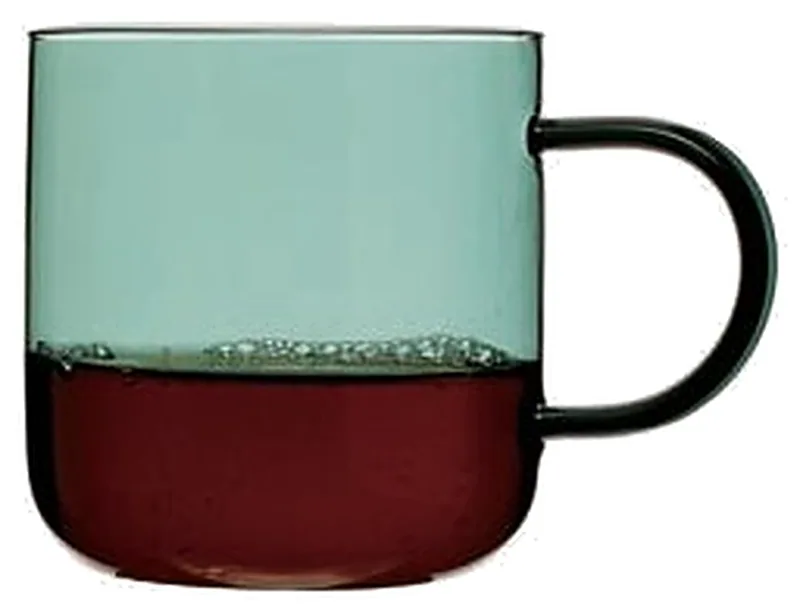
A hammered-texture glass mug for hot drinks service
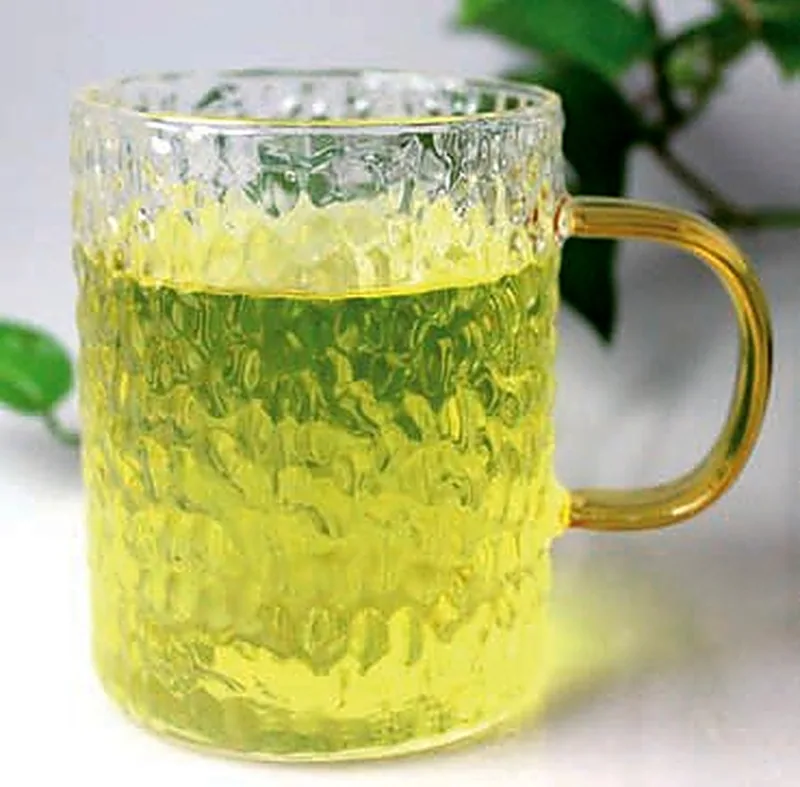
The Textured Glass Mug (TVD-1976) is described in our product listing as single-wall heat-resistant glass with a hammered texture surface and a coloured or clear handle. Single-wall means one layer of glass, so the outside of the mug warms with the drink. That is why the handle matters and why this mug suits a different job from an insulated tumbler. Capacity, glass thickness and the actual temperature rating are not stated in the listing; they are confirmed on your written quote.
Who buys it
- Cafés and coffee bars. Glass shows the drink: layered lattes, tea with leaves or fruit, hot chocolate. The hammered surface also diffuses light and hides small scratches better than perfectly smooth glass.
- Hotel breakfast rooms. A mug with a handle is easier for guests to carry at a buffet than a handleless glass.
- Gift and homeware shops. The texture gives a hand-made look on the shelf. The choice of coloured or clear handle lets you stock a neutral version and an accent version.
- Online sellers. Texture photographs well in side light. Plan a handle-colour variant in the listing and confirm the available colours first.
- Households. An everyday mug for tea or coffee.
What the features mean in practice
Single-wall. No air gap, so no insulation. Guests should hold it by the handle, and servers should not stack hot mugs by the rim. If you plan to sell it for cold use as well, check the factory's guidance on thermal shock, since a hot mug rinsed under cold water is the classic way to crack glass.
Heat-resistant glass. This is the main selling point of the mug, but "heat-resistant" is a description, not a number. Ask what the factory means by it, what temperature range it was tested to, and whether the rating covers a microwave or only boiling water poured in. Do not state a microwave or oven rating on your own packaging unless the quote confirms it.
Hammered texture. The texture is part of the moulded surface. It adds grip on the body and a handcrafted look, but it also gives dirt and coffee stain small places to sit. Ask whether a commercial dishwasher cleans it well, and test a sample through your own wash cycle.
Coloured or clear handle. If the handle is coloured, ask whether the colour is in the glass or applied as a coating. Applied colour wears faster and is where lead and cadmium reports matter most.
How to specify it: checklist
- Capacity and weight of the empty mug, and the pieces per carton.
- The glass type and grade, and the heat rating in writing.
- Whether the factory rates it for dishwasher and microwave use.
- Handle colour options, and how the colour is made.
- Food-contact test reports for your market, and a lead and cadmium report for coloured parts.
- Retail packaging, label language, barcode and carton size.
- Minimum order per colour, sample availability and lead time.
Comparing it with other mugs and cups in the line
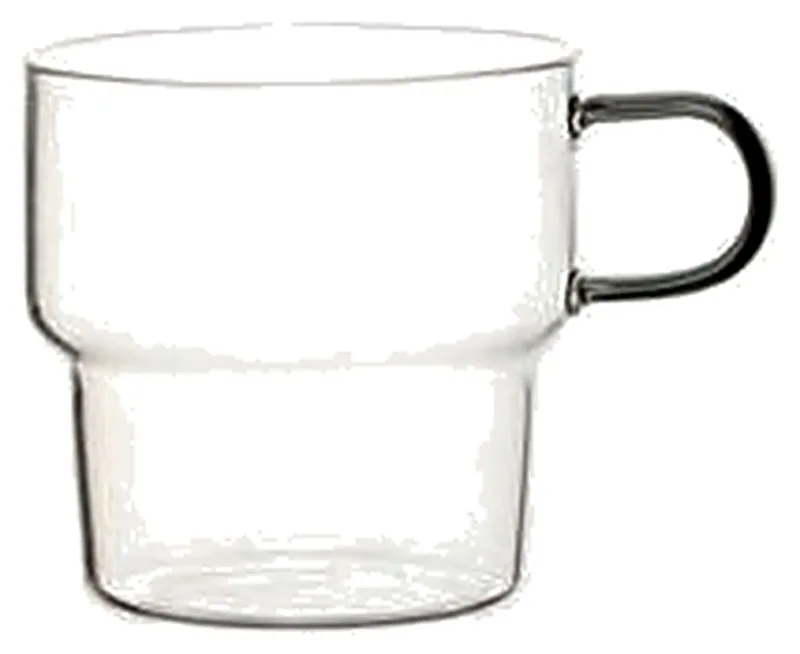
- Stackable Glass Mug – Coloured Handle (TVD-1977): tapered so mugs stack, with a coloured glass handle. It saves space in a busy back-of-house, and the stackable and round mug guide compares it with the Round Glass Mug (TVD-1978).
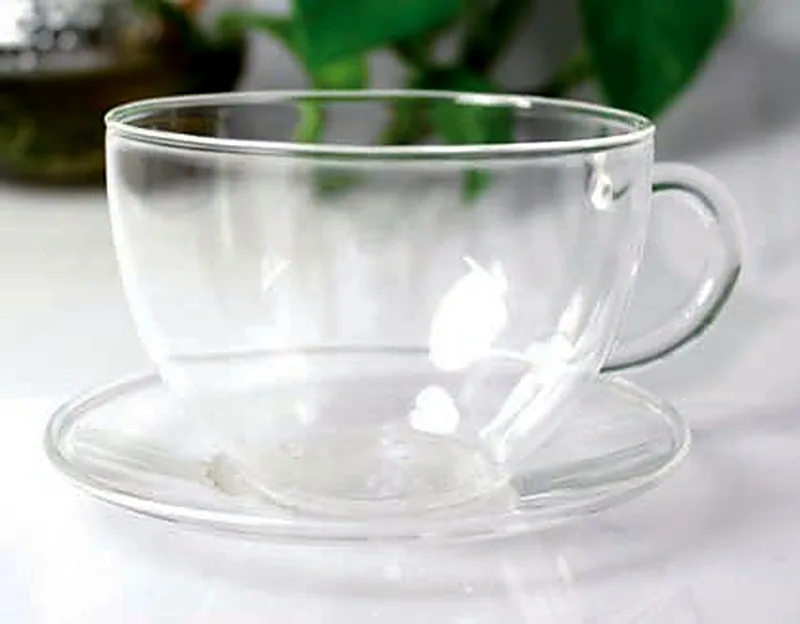
- Glass Tea Cup & Saucer (TVD-1979): a cup with a matching saucer for table service, covered in the tea cup and saucer guide. Choose it for a tea room, choose the textured mug for grab-and-go.
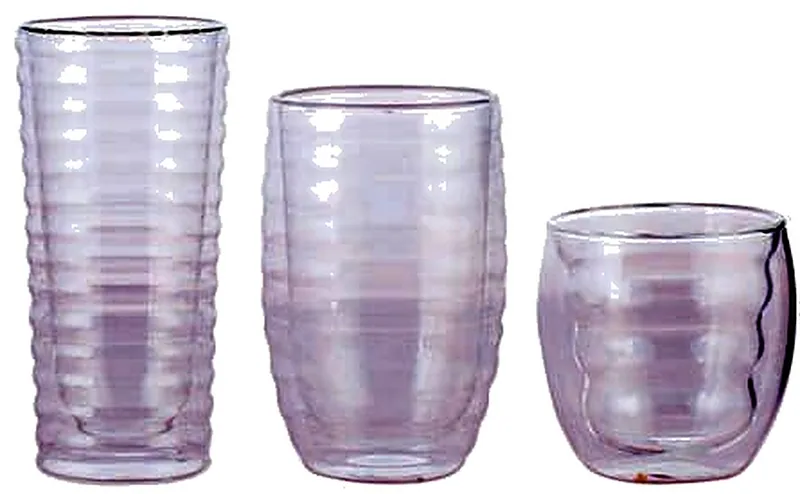
- Ribbed Glass Tumbler Set (TVD-1966): a cold-drink set for water and juice, covered in the ribbed tumbler guide. Pair it with the mug when one customer needs both hot and cold service.
Canadian use notes
Hot glass is a real handling risk in a busy kitchen, so train staff to lift by the handle. In Canada, glassware that contacts food falls under the Glazed Ceramics and Glassware Regulations, which limit lead and cadmium that can leach, and decorated or coloured areas near the lip are a known risk. The Food and Drugs Act prohibits selling food in or with materials that may make it harmful, and Health Canada does not pre-approve kitchenware, so buyers ask for the factory's food-contact reports. A mug sold prepackaged needs bilingual product identity and net quantity under the Consumer Packaging and Labelling Act, and Quebec retailers expect French labels. In winter, glass in an unheated truck is vulnerable to knocks and temperature swings; ask about carton strength and dividers. Our single-wall glass compliance guide covers the full line. Rules change, so confirm the current requirements with the relevant authority, your inspector or your customs broker; this is general information, not legal advice.
Certification status
No certification is on file for this mug. We confirm certification status and supply the documents with the quote before you order.
How ordering works
Every order is quoted in writing for the quantity and delivery address: specifications, documents, packing, lead time and delivered cost. Samples are available on most items, with the cost usually credited to the first order. Payment is 30% deposit and 70% before release. Read how ordering works, send a quote request and use the landed cost calculator to plan freight. The glass cups and tumblers line shows what can share your container.